

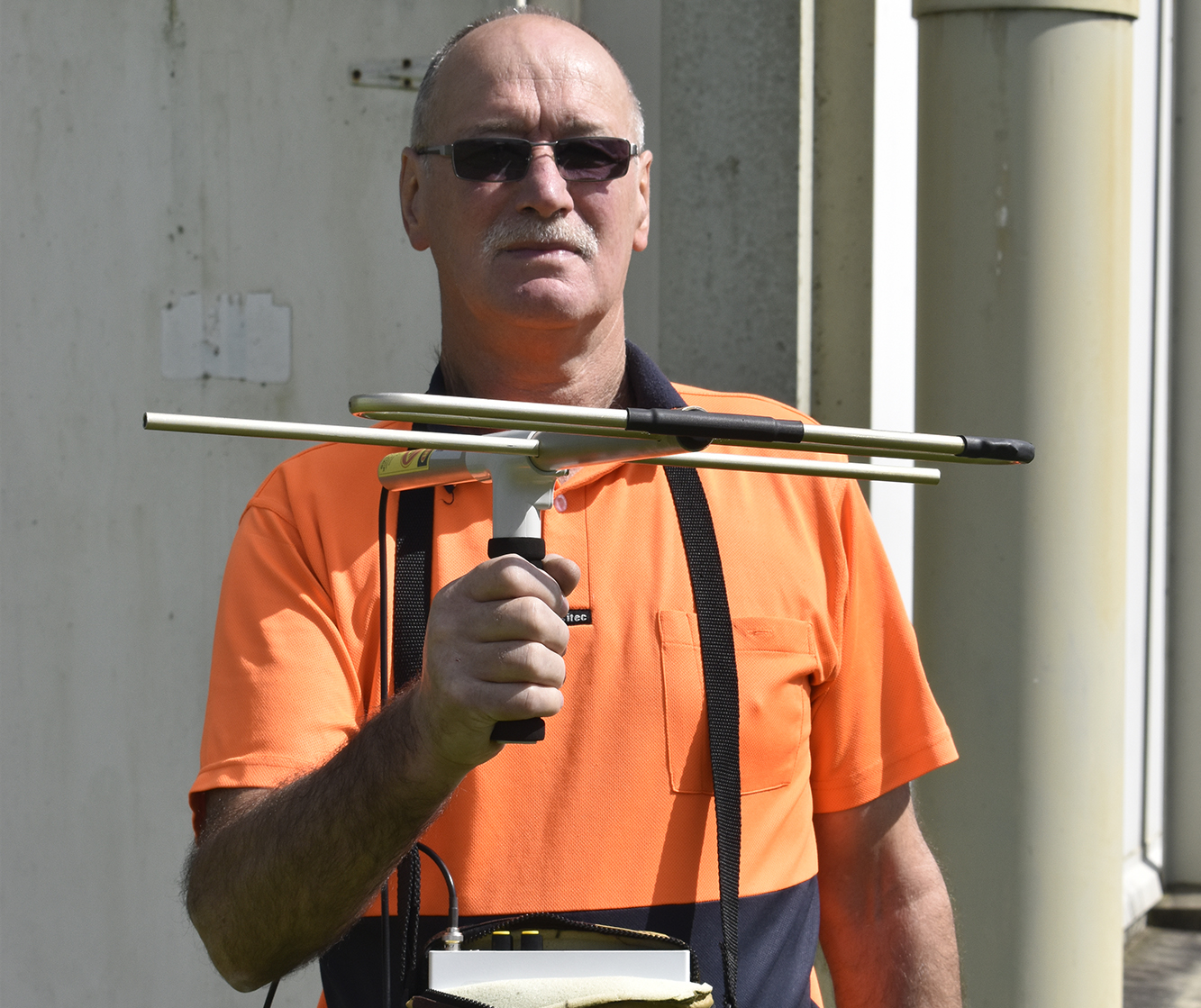
Grant Conaghan
Northland Land Search and Rescue, 50 years
Few people know Northland’s forests like Grant Conaghan. Conaghan was 16 when he joined the Northland Land Search and Rescue (NLSAR). Fifty years later, he’s still helping save trampers in the north.
“I like finding people that get lost,” Conaghan says. “I like to be able to give closure to families if the result isn’t what we hoped. It’s really nice to be able to bring a loved one home.”
Conaghan grew up near Whangarei’s Pukenui Forest, which became his childhood playground, and he joined Whangarei Tramping Club at 15 before volunteering for NLSAR a year later.
“Every search call-out was an adventure and an opportunity to get out into the bush. I had no expectations that I’d be involved 50 years later.”
Conaghan admits he had very little experience when he started and there was little training then for NLSAR’s 80 volunteers, who went on about five or six call-outs a year.
“It was pretty cruisy. In those days we had one SAR exercise each year and that was basically it. There was no formal training and if you were available for a call-out, you went.”
The call-outs were mostly for lost hunters in the early days, he says.
“They’d be following the signs for pigs and then realise they were lost. It’s changed a lot with technology like GPS, which has stopped a lot of that.”
Now NLSAR has 40 volunteers doing about 30 call-outs a year, with an increasing number of searches for people with dementia.
“They’re the hardest to find because in their mind they’re not lost, so they don’t reply when we’re calling out. We also rescue more daywalkers who have got lost or run out of daylight.”
Reflecting on 50 years, one particular operation sticks in his mind. In 2007, six teenagers and an instructor became trapped in Waipu Caves as a flash flood blocked their exit. More than 60 search and rescue personnel were involved in a battle to keep the water from submerging the teens before they could be saved.
“They were trapped there for about six hours. We had the fire service trying to pump the cave out because they were stuck in an air pocket and there was concern they were running out of oxygen.”
His advice to trampers is to know your own limitations, take a PLB and always carry something that will help you be seen if you get lost.
“The other big thing is don’t panic. If you think you’re lost, take a breath and sit down. A lot of people just carry on walking and get more lost. People do irrational things when they panic. Your brain goes to mush.”
Conaghan now works in search management and says he still loves the challenge of finding people.
“There’s a real skill, reading a map and knowing the local terrain. You have to be able to think like the lost person to understand where they might end up. Unless you can do that, it’s like throwing darts at a map.”
This year, Conaghan received the Queen’s Service Medal for his SAR service.
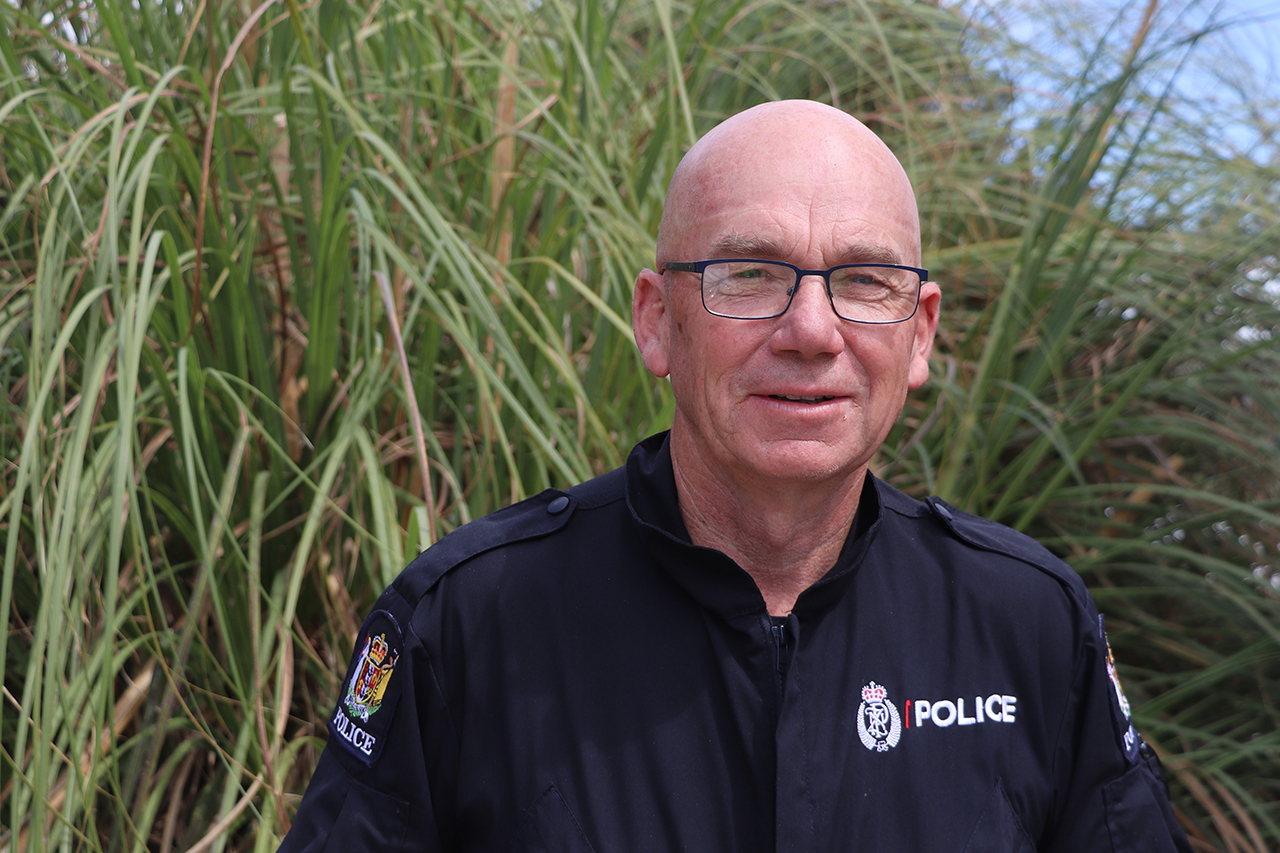
Phil Simmonds
Canterbury Police SAR, 29 years
Over nearly three decades, Phil Simmonds’ work in search and rescue and victim identification has involved almost every major SAR event in the South Island and some of the Southern Hemisphere’s worst disasters.
“It’s always given me a lot of satisfaction helping people lost or injured and getting them back home,” he says.
Simmonds spent his early years tramping around the South Island on family trips and was eager to become involved in SAR when he joined the Police in 1988. After a couple of years in Timaru, he moved to Christchurch and began his SAR service.
He soon became an instructor on the national police SAR course and has been involved in some of the country’s most high-profile searches. One of the most challenging occurred in 2003, when two women, Marni Sheppeard and Sonja Rendell, became trapped on a rockface for seven nights in sleet and snow near Harman Pass in Arthur’s Pass National Park. The weather hampered the search, which Simmonds continued to lead night after night with no success. Finally, on the eighth day, the weather cleared and Simmonds put a couple of the womens’ family members in a helicopter to view the search area and as “another pair of eyes”.
“They actually found them,” Simmonds recalls. “The helicopter came up and the missing girls were sitting on the side of this steep mountain where they’d been for eight days.
“It just goes to show that people can be quite resilient and carry on. The time frames for survival can be quite long if you have a bit of shelter and can keep yourself from the elements.”
Identifying the victims of disasters has been part of Simmonds’ job for 18 years, including identifying victims of the Christchurch earthquake, the mosque shooting and the 2004 Boxing Day tsunami in Thailand.
“I take quite a bit of solace in being able to identify someone for the family and give them closure,” he says. “I think that’s really important. I suppose everyone handles death differently, maybe I’m just wired to be able to deal with it.”
Earlier this year, he identified the body of an Australian climber who had been missing since 1978. The remains of a climber were found on Mt Aspiring’s Bonar Glacier in 2016, however, the identity of the body was unknown and was stored in a morgue for five years before Simmonds was contacted to help.
“Our record keeping back then wasn’t that good,” he says. “I spent about two days ringing all the old trampers and climbers from that era and asking if they knew who went missing around that era. We ended up finding out he was an Australian and we got in touch with his widow. She thought one day he might come out.”
Simmonds says trampers are becoming more diligent about leaving their trip intentions and families are becoming quicker to raise the alarm, which makes search and rescue easier. But he says people seem to be less prepared to spend an extra night outdoors if something doesn’t go to plan. People should always pack warm clothes, extra food, shelter like a bivy bag, something colourful to aid being spotted and a whistle to help searchers locate you.
“A whistle can be really helpful because we use a sound searching device to listen for responses when we call out,” he says.
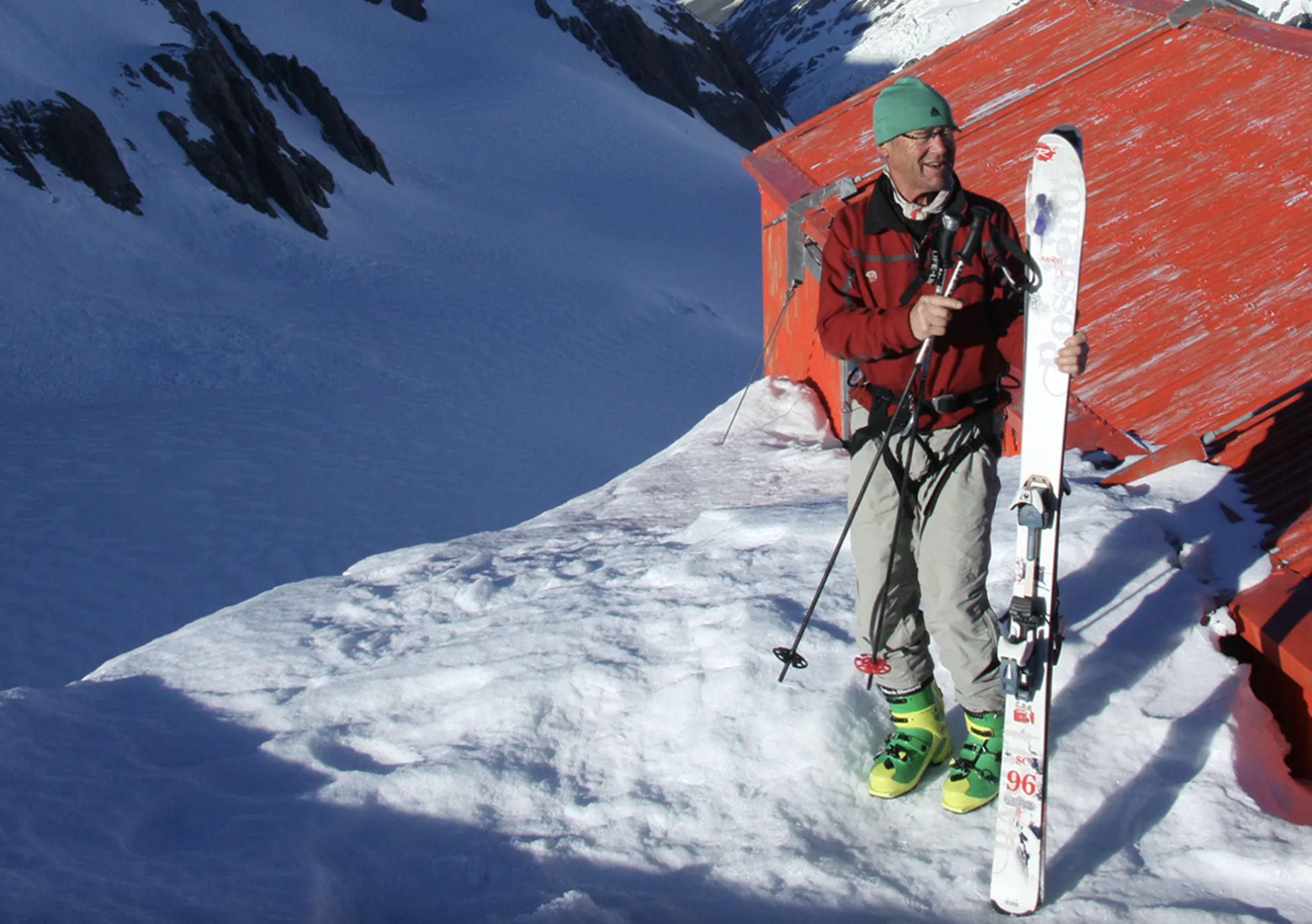
Geoff Wayatt
WānakaSAR, 48 years
When Geoff Wayatt moved to Wānaka to open up a climbing school in 1973, he found a small rural town few would recognise as the climbing mecca it has become.
“It was a farming and holiday community and we were the first of the adventure tourism operators,” Wayatt recalls.
Back then, he says there was no local search and rescue (SAR) service. When people got into trouble in Mt Aspiring National Park, the operations were coordinated from Dunedin.
“There was no significant tramping or climbing community in Wānaka. There were just three or four local people who would do the initial response.”
So Wayatt got together with a few recreational climbers – a local plumber, a carpenter and a farmer – and established what would become WānakaSAR.
“We had the embryo of a nicely balanced group. I realised we were all vulnerable to have incidents, so I felt some responsibility to give back. It’s just part of what you do.”
For three months of the year, Wayatt lived in a tent camp on Shovel Flat, not far from Aspiring Hut in the Matukituki Valley, which served as the headquarters for his climbing school, and would often be first on the scene for rescues in the park.
“Typically it would be a climber who hadn’t returned to a hut and someone would raise the alert and we’d go in and try to find them. It was labour intensive. You didn’t wait around for the helicopter and you couldn’t press a beacon button. You had to carry their pack and help them hobble out to the road.
“There were also a number of river rescues, because back then none of the rivers in the Matukituki were bridged. River crossing was the most common way to die in the mountains then. We don’t get that now because all of those rivers are bridged.”
Wayatt says search and rescue wasn’t something he relished – he “wasn’t overly excited by the negativity of SAR” – but something he did out of a sense of duty.
“Helping other people, I’d recognise my own vulnerability. It was always important to me to have the positive part of teaching mountaineering, helping other people have good experiences in the mountains, to balance that.
“I would have stopped if it got too much. But there were times after a big operation when you won’t have slept well and would have nightmares or recurring dreams of what had happened, but we just went through it.”
After going on a trauma event debriefing course, he helped introduce a practice of talking openly as a team in the aftermath of a major SAR operation and WānakaSAR now has a programme to help prevent PTSD among volunteers.
“I found that really enlightening, putting a bit of structure around it,” he says. “Beforehand, you would have just sat around and had a few beers or a barbecue after a big search and rescue and that would have been it.”
The organisation he helped found has now swelled to become one of the largest and busiest in the country.
“It’s become an established part of the community. We held our annual dinner last month and there were 50 people – volunteers with their families – and I was able to hand out the awards. That to me is really satisfying.”
While Wayatt has stepped back from being directly involved in WānakaSAR operations, at 75 he’s a duty manager at Cardrona Ski Field where he is still involved in SAR.
Beyond taking the right gear, planning your trip and checking the weather, Wayatt’s advice for being safe in the outdoors is knowing when to turn back.
“If the weather is packing in, stop, have some food and talk about what your options are and make a conservative decision. If you decide to turn around, don’t look back and think you made the wrong decision. You made a good decision at the time and you can always come back. Don’t be objective-based and push on hard.
“That’s a good way to avoid becoming part of a SAR operation.”



