Letter of the month
Tararua Map older than expected?
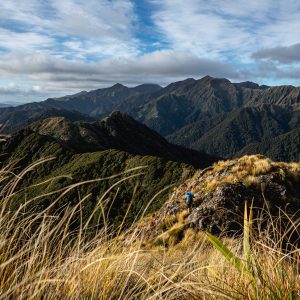
The story ‘Mystery map of the Tararua Range restored’ (September 2024) piqued my interest, both as a keen Tararua tramper and due to a lifelong interest in the Earth’s magnetic field and its irregularities.
In the bottom right-hand corner of the map is a compass rose. Like modern topo maps, it includes a second, magnetic north arrow which I measured to be 15O east from (true?) north – I think it is labelled N14 30E, though the text is difficult to read.
Today the magnetic declination (variation) in the Tararua Range is around N22 50E, and is increasing at a rate of 5.5O/yr. Not only does the declination change with time, but the rate of change is not constant – all due to changing electric currents in the molten iron of Earth’s outer core. Knowledge of these changes provides a means of dating magnetic records: historical, archaeological and even geological.
New Zealand has had a geomagnetic observatory near Christchurch since 1900, providing a continuous record of the direction and strength of the magnetic field. Once ‘relocated’ to the latitude and longitude of the Tararua Range, this record shows that the declination was N15 38E in 1900, increasing to nearly 23O today.
I also unearthed two maps (on mapspast.org.nz) entitled ‘Part of the Tararua Mountain System’, published by the former Lands and Survey Department in 1936 and 1950. Both include compass roses giving magnetic declinations of N17 36E and N18 42E respectively, in excellent agreement with the relocated observatory values.
So, the Tararua map, with a declination of about 15E, even allowing for up to a degree of uncertainty, would be significantly older – possibly early 20th century!
– Gillian Ingham
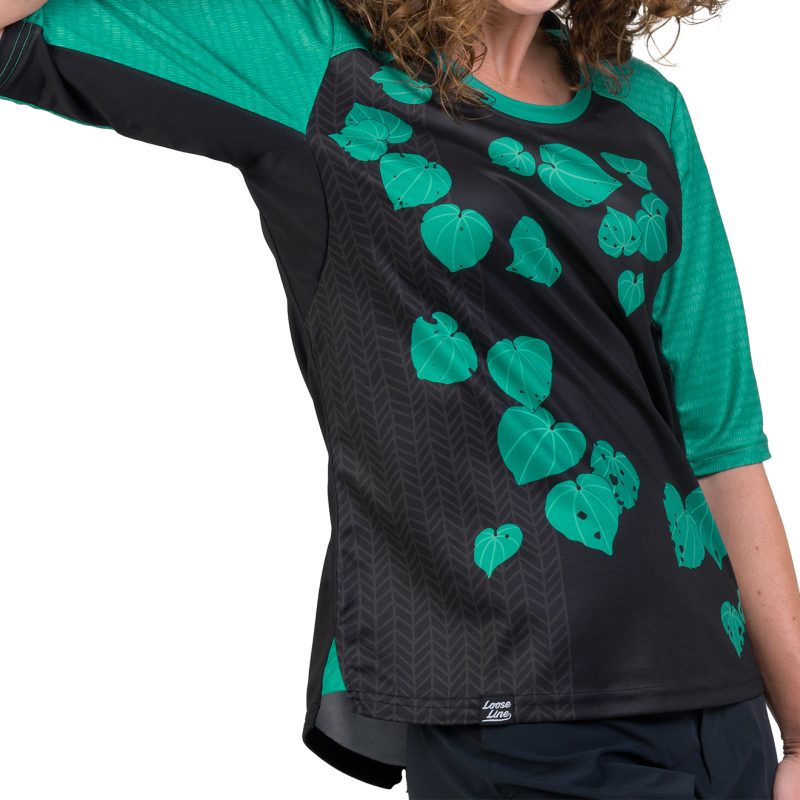
– Gillian wins a Mid Line Kawakawa tee worth $109 from Loose Line (www.looseline.co.nz). Readers, send your letter to the editor for a chance to win.
Featured image: Tararua mystery map
A possible explanation for the mystery map of the Tararua Range being found at Wellington High School may lie with my father.
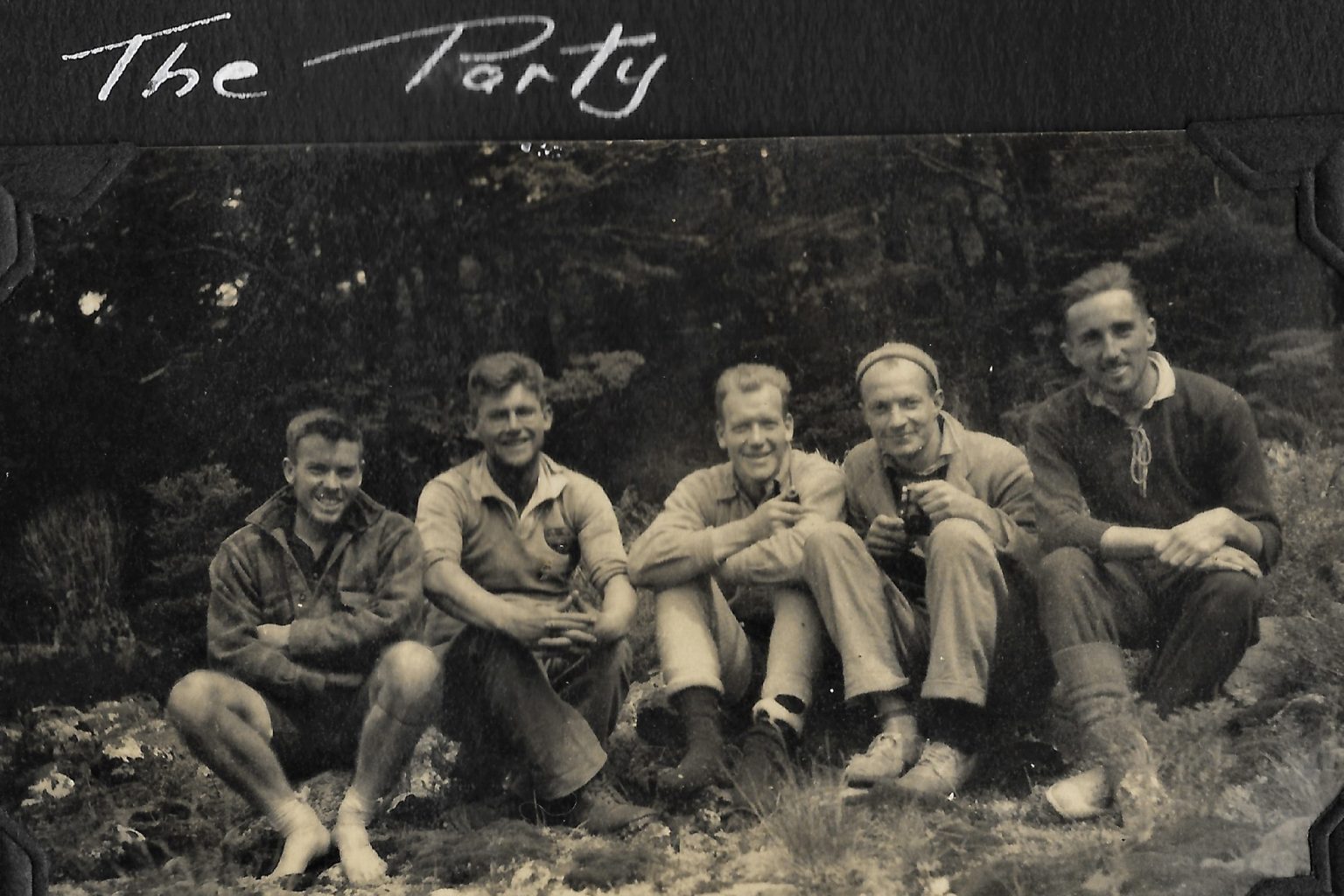
Don Priestly was headmaster of Wellington Technical College, as it was then known, from 1955 to 1961. He was a keen tramper in the 1920s and 30s with fellow teachers Colin Bailey and my father Ralph Hogg. While it doesn’t explain the origins of the map, it may be how it ended up there.
My father was a keen photographer and his photo album shows them exploring around the Wellington region as well as further afield. This photo (featured) shows ColinBailey, Don Priestly, two unknowns and Ralph Hogg adventuring in the Arthur’s Pass area in the 1930s.
– Lissie Hogg
Clean your walking poles
It’s true walking poles can carry kauri dieback disease just as boots can (‘Walking poles a potential vector’, Pigeon Post, August 2024). However, separate cleaning stations for them are not needed. They can easily be cleaned at the boot stations by using the spray. It would be a good idea to educate people about cleaning their poles, though. A sign at the cleaning stations would help: ‘Don’t forget to clean your walking poles!’ Everyone should clean both boots and poles at home, too.
– Trish Jenner
Barefoot better for bunions
They’re big and ugly and I have two of them – bunions! After almost giving up tramping due to the excruciating pain when wearing every shoe and boot I owned, and getting no satisfaction from a podiatrist, I consulted Dr Google in desperation.
There is a wealth of information on an alternative range of footwear, seemingly flying under the radar. Foot-shaped, wide toe-box footwear, known as Barefoot boots or shoes. From my first tramp after lacing up my wide toe-box shoes three years ago, I have had zero pain. My toes spread naturally, and there is no pressure on them from being crammed together inside the shoe. This footwear eliminates pressure points which lead to pain, and provides width where it matters. It’s super lightweight and flexible with zero drop.
I am also more surefooted and better balanced as a result. Other readers suffering similar foot issues should give them a try.
– Donna Howe
34 years of inspiring New Zealanders to explore the outdoors. Don’t miss out — subscribe today.

Questions? Contact us