Gaining the summit of a mountain is one of the great joys and achievements of tramping.
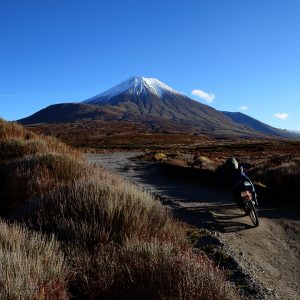
I remember during my school camp – a 10-day trip to Tongariro National Park – climbing Mt Ngāuruhoe with my classmates and then running back down the scree slopes to South Crater. I was 14 and it was a buzz. That same trip, we also climbed Mt Ruapehu.
In the years since, I’ve gone back to Ngāuruhoe and Ruapehu several times, and climbed Mt Tongariro, too.
But I now know many mountain summits are off-limits because they are tapu (sacred) to Māori and to stand on their high points is culturally insensitive. DOC and local iwi actively discourage trampers from climbing them – especially Ngāuruhoe and Tongariro which can both be accessed while walking the Tongariro Alpine Crossing, a day walk undertaken by around 140,000 people a year.
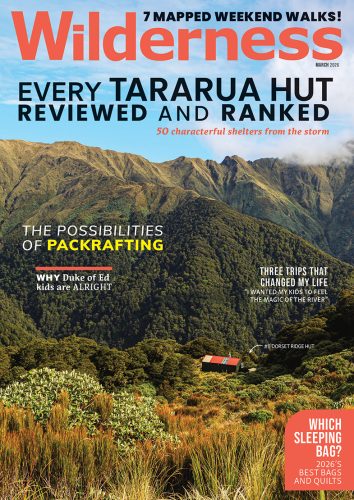
In our feature ‘To summit or not to summit’, this issue is discussed at length. It’s pleasing that many tramping and alpine clubs around the country are happy to comply with Māori protocol and not stand on a summit if it is deemed culturally insensitive to do so.
But I also understand why some people might refuse to respect iwi wishes and instead bag a summit. Climbing mountains is in the Kiwi blood; as a country, we lionised Sir Ed, the first man to summit Everest. Our history is littered with stories of great ascents, tragic outcomes and inspirational adventure. It can be hard to have grown up hearing these stories and then be told a summit is beyond your reach, not for lack of ability, but, because someone else does not want you to stand on its top.
Both cultural perspectives are relevant. But Māori see themselves as kaitiaki – guardians – of the land and, as NZ Māori Council member Matthew Tukaki explains, they have held that role for many more generations than European New Zealanders have felt the call of the wild.
So if Māori request I do not stand on a summit, because to do so would insult their ancestors or their culture, then I feel I should listen and try to understand. As valid as my own cultural perspective and experience is, it is not more important than that of Māori.
Besides, what do we really lose? Not every mountain is considered sacred – there are plenty of alternatives for us to climb.
The Wilderness 100
The moment this issue went to press, we began work on the May magazine. Normally there’s a couple of days of downtime between issues, but we had to get cracking on May early for one simple reason: The Wilderness 100. Next month, we are featuring what we consider to be NZ’s 100 must-do walks, huts and peaks (that aren’t culturally insensitive to climb). It promises to be a goodie, so keep your eyes peeled.