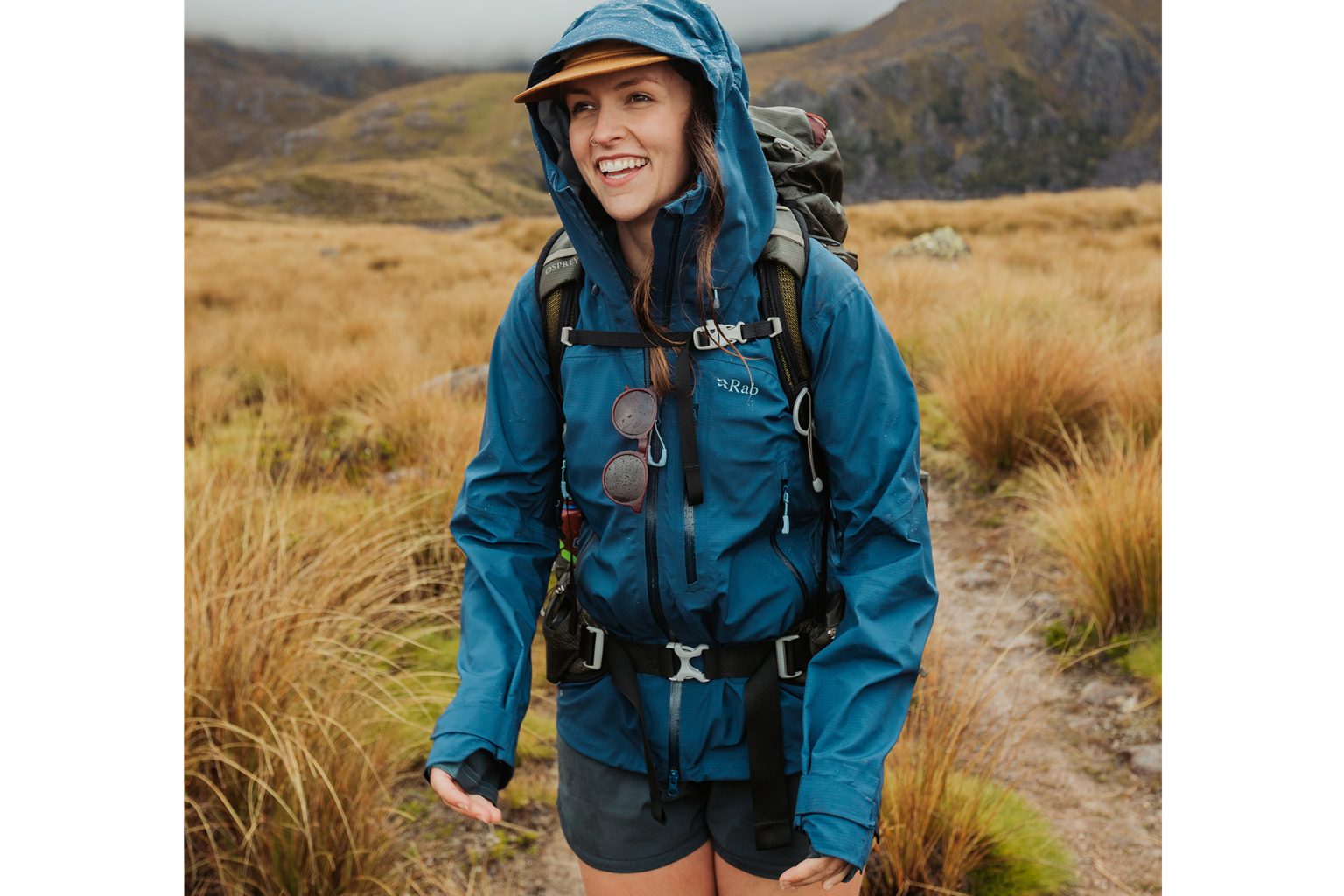
The benefits of walking in the rain are not to be sniffed at, and might even decrease the risk of sniffles. By Kate Coughlan
Inhaling the rich aroma of damp leaf litter and wet earth is one of the health benefits of going for a walk when it’s raining. The relationship between the smell of damp soil, known as geosmin (pronounced ‘jos a min’), and its beneficial properties has a long history and it may have enabled humans to find water, and we are better at detecting it than a shark is at smelling blood in the water.
So, what causes the smell? Moisture interacting with bacteria in the soil releases a natural terpene (or petrichor, as geosmin is also known) into the air, and when inhaled it promotes alpha waves in our brain. That lovely earthy aroma, distinctive in the bush after rain, is relaxing. It may even alleviate depressive symptoms, though studies on this are not widely published in medical literature. It is also thought to boost our immune system.
What is scientifically proven is that the air is cleaner during and after rain due to a 20 per cent reduction in micro-pollutant air particles.
Research about rain walking carried out in calorie-conscious societies promotes its value for weight loss. The theory being that when one is cold it takes more calories to fuel the walk. If that’s the goal, why not stand in a cold shower?
Rain’s negatively charged ions are more to my liking. Those negatively charged ions release oxygen molecules into the atmosphere. So the air being breathed while walking in rain, or shortly after, carries fewer pollutants and more oxygen.
So here I am, positively thrilled that it is a sodden old Monday and I am heading out for my daily Walk1200 3.3km to accrue these significant benefits.
– Kate Coughlan is an Auckland journalist whose hobby is half-marathon walking. She is in her second year following the Walk1200km goal. Kate nailed it last year but isn’t doing so well this year.
34 years of inspiring New Zealanders to explore the outdoors. Don’t miss out — subscribe today.

Questions? Contact us