Sticks make great splints as do bedrolls, pack frames and walking poles. You need to immobilise the joints above and below the fracture, so make sure the splint is long enough to reach that far.
To minimise pain it is useful to measure the splint on the uninjured limb to get the correct fit. Attach the splint to the injured limb using whatever you can. Without bandages you can use tape or spare garments that can be ripped into lengths. The priority is to tie the ends of the splint firmly to the limb followed by the middle and if there is enough material available then bind on the rest. Stringy plant material such as flaxes will do an acceptable job but lack the elasticity to achieve solid immobilisation.

If you are the person concussed it will be unlikely that you remember this advice. If someone in your party is concussed, however, it is important to monitor them closely. Treat them as though they have a spinal injury by keeping their head, neck and back still. Do this until they become coherent enough that you can accurately examine their spine for pain. If they have pain when you push on any of the bumps on their spine, continue to treat them as a spinal patient.
Watch for any signs of a deterioration in their level of consciousness. If the patient begins to deteriorate, remains unconscious for more than a minute, or remains in a confused state for 30 minutes, then consider your best way to get help.
The temptation when cleaning a wound when saline is absent is to use water from the nearest creek. The problem with this is that while our digestive system is better able to handle the associated bacteria, our internal circulatory system will find this much harder.
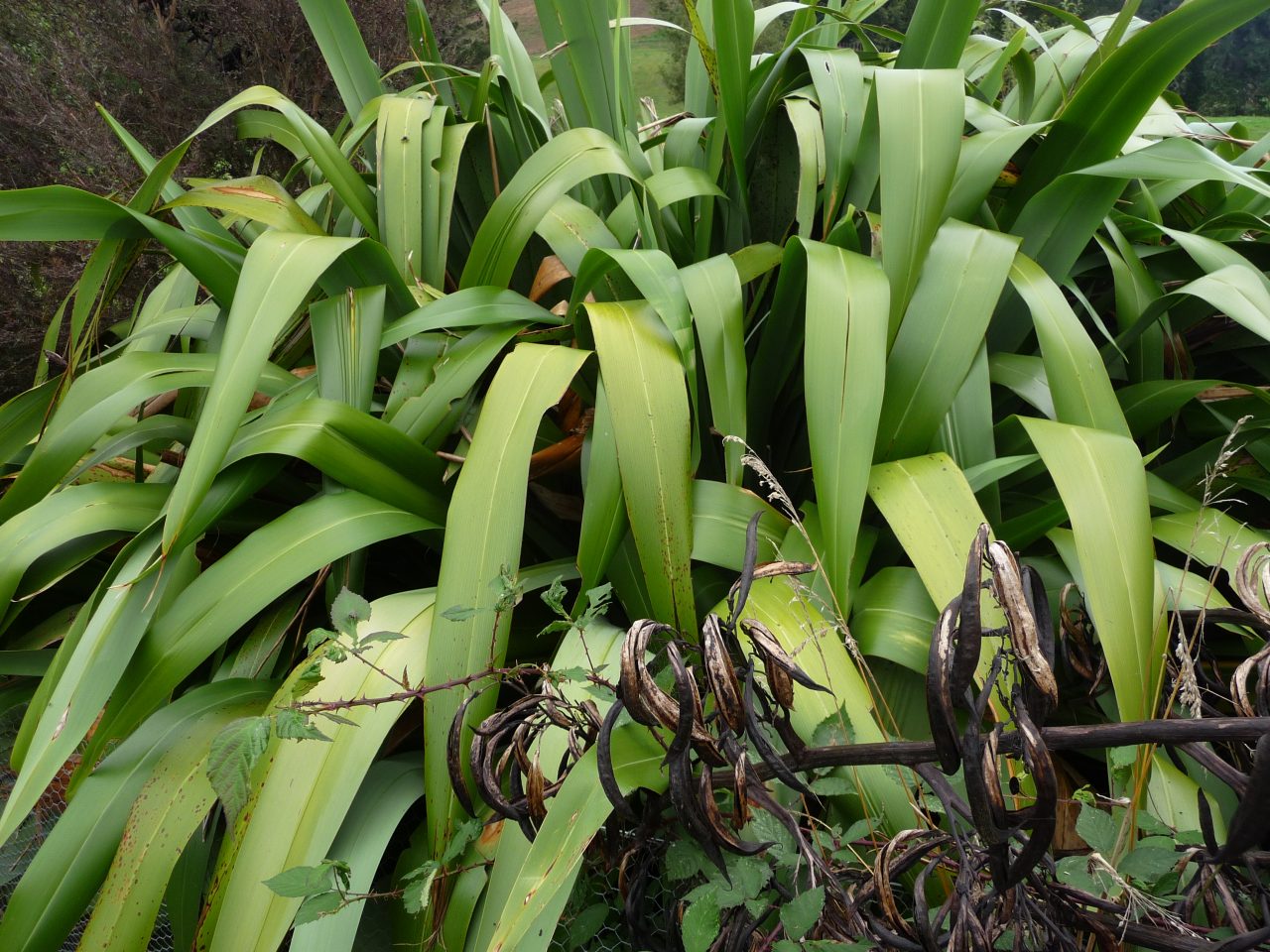
Have a look at the wound. If it is full of dirt or other rubbish then it may be preferable to clean it with stream water and then look around for a natural antiseptic. The gel found at the base of harekeke (flax) and in manuka leaves contain antiseptic properties that would go a long way towards eliminating the water-based bacteria. After this, try to cover the wound to avoid further contamination.
Firstly you need to think about a dressing for the wound then a makeshift bandage to keep that in place. Choose the cleanest piece of clothing you have to place over the wound. This could be part of a sleeve or a bandana. Then think about how to secure this in place. A roll of tape will go a long way here or even use a belt if you have one. The waist and chest straps from packs will do a good job.
If using clothing for any improvised first aid equipment, be sure to leave enough to keep warm. If you are spending a night out, hypothermia is a real threat and will only be compounded by an injury.
Good injury management such as splinting and wound care can take much of the pain away from the patient. Beyond this and without any first aid supplies, the best option for the relief of pain can be found growing in many of our forests. The kawakawa plant is related to the Polynesian kava. It’s heart-shaped leaves can either be chewed and have a slightly peppery taste or can be turned into a tea by boiling the leaves and drinking the fluid. This offers a mild anaesthetic type of numbness which can be comforting.
– Henry Worsp is a director of Peak: Outdoor Safety and Emergency Management

34 years of inspiring New Zealanders to explore the outdoors. Don’t miss out — subscribe today.

Questions? Contact us