If you conserve your energy and have water you can last weeks without food. “This isn’t ideal but it’s good to know that we need not panic when released from our overfed normal lives,” says Steve Porteous from Human: Interactive Nature School.
Plants are easy because they don’t run away but there are many that can make you very sick or even kill you. “Just because a bird or animal can eat a berry or plant does not mean that we can,” says Porteous. “Be sure you identify plants correctly before trying them.”
Porteous says the only hard and fast rule of identifying plants safe for human consumption is to learn which plants are edible. The good news is there are more edible plants than poisonous ones. But if you aren’t sure about a plant, eat a tiny piece and wait four hours to see how it makes you feel. If you are OK, take a bite and wait another four hours. If you’re still OK, eat a leaf and wait for four days to be sure it’s not poisonous.
“The general rule is if a plant burns your mouth, don’t eat it,” says Porteous.
Supplejack, kawakawa, karamu and moku are common natives that are edible.
Animals are harder to catch but are more filling than plants and berries and less likely to poison you. Most fresh animal and bird meat is edible raw and definitely edible cooked. “Don’t be fussy and think of only deer or pig,” advises Porteous. “There are a lot of small creatures out there such as rats, mice and possums.”
Don’t eat animals you find dead or in a dazed state because chances are they’ve been poisoned. Even though they’re harder to kill, try to trap or hunt an animal because then you know it’s in good health. You can use a simple snare made from your boot laces. Try to find an animal trail and use branches to force the animal into your snare’s path.
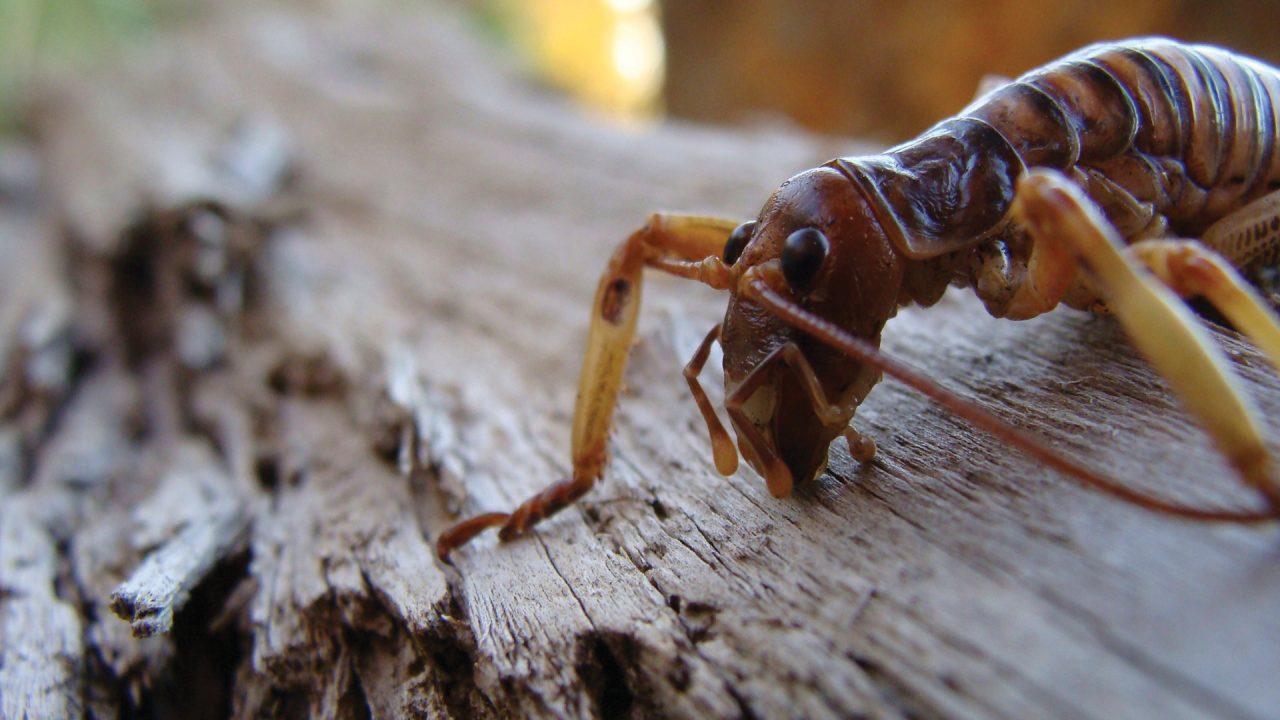
Huhu grubs, wetas, cicadas, crickets all taste better (and don’t wiggle so much) when they are cooked but most can be eaten raw and they’re full of protein. Check rotting wood for huhu grubs, grassy areas for crickets and anywhere you can hear cicadas.
This is crucial says Porteous: “When you are learning about wild foods, take only what you need so as not to destroy the plants,” suggests Porteous. “Only eat species that are not endangered when you are practising.”
“If you can find someone with the wisdom of the plants then ask them to show you,” advises Porteous. “I have many stories of people being poisoned because of poor identification.”

34 years of inspiring New Zealanders to explore the outdoors. Don’t miss out — subscribe today.

Questions? Contact us