Scientific reserves are protected for their geological, biological or ecological significance.
More than one third of Aotearoa is protected as public conservation land. There are national parks, conservation and forest parks and hundreds of smaller reserves. This impressive system has evolved since the first reserves were established in the 19th century, and the sheer number and type of conservation land can seem bewilderingly complex.
As an example, take reserves: we have scenic reserves, historic reserves, one national reserve (at Lewis Pass), nature reserves, recreation reserves and scientific reserves – all with varying levels of protection and access conditions.
Scientific reserves, as their name implies, are protected for their scientific significance – geological, biological or ecological. They tend to be small (10–100ha). Examples include the Wilderness Scientific Reserve, which protects the best surviving remnant of bog pine (Halocarpus bidwillii) in the Te Anau Basin, and in Canterbury, the Bankside and Eyrewell scientific reserves preserve some of the few small areas of original vegetation that survived on the Canterbury Plains when the surrounding land was turned into farms.
Here are four scientific reserves well worth visiting.
1 Whatipu Scientific Reserve, Auckland
The broad black sands that stretch between Piha and the mouth of the Manukau Harbour near Whatipu are a fascinating place of sand dunes, coastal wetlands, cliffs and semi-marooned island-like crags. The area is protected as the Whatipu Scientific Reserve, managed by Auckland Council. For a round trip (either overnight or a full day), start from the car park at Whatipu where there is a lodge and camping area. Follow the rippled black sands as far as the camping area at Pararaha, then return on cliff-top bush tracks. Shorebirds, such as dotterels, are abundant, and the constant sound of the crashing Tasman Sea and the salt-laden air is refreshing.
2 Matiu Somes Island, Wellington Harbour
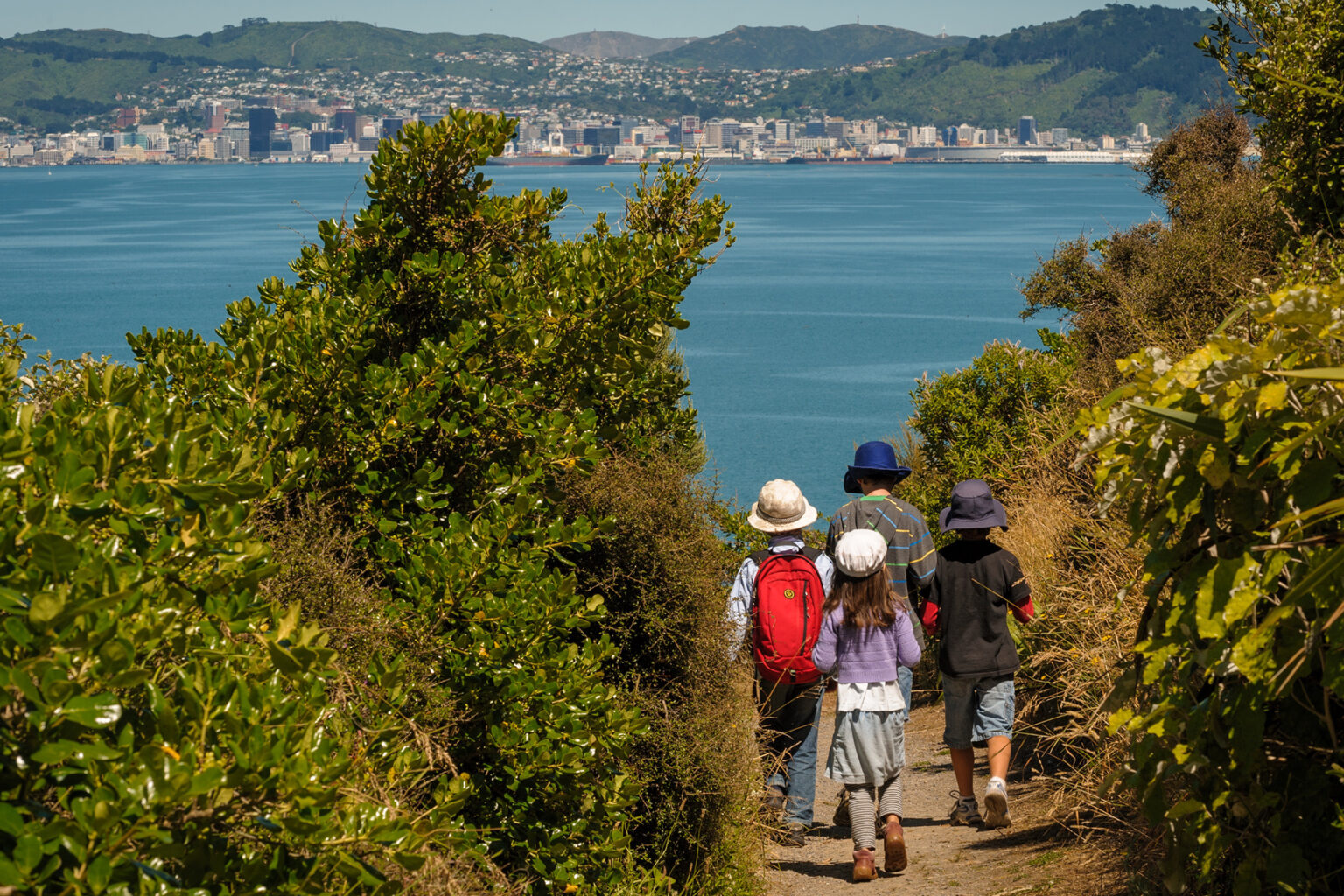
Matiu is easily accessible by regular ferry service from Queens Wharf or Days Bay, for a modest cost. Nowadays, the island is a pest-free sanctuary for many native species, including kākāriki, Cook Strait giant wētā, kororā little blue penguins, skinks and tuatara, but in the past it has been a base for various iwi of Te Whanganui-a-Tara, a farm, an animal and human quarantine station and a detention centre (during World War II; people of ‘suspicious’ background were incarcerated there, often unfairly). Tracks circle the island, and an excellent half-day circuit beginning from the jetty leads to the trig on the island’s summit, down to the southern lighthouse, then along the island’s eastern shore back to the jetty. Birdlife is abundant, and chattering kākāriki are often seen. Matiu is a wonderful place for families to explore, and camping is permitted during summer. Access is also possible by sea kayak, but kayakers must observe the quarantine measures strictly: land only near the jetty and thoroughly check gear to avoid reintroducing pests and weeds.
3 Turakirae Head, Wellington
Turakirae Head is an impressive headland where the North Island’s axial mountain range slips into Cook Strait, ending the long chain of maunga that stretches from East Cape through the Kāweka, Kaimanawa, Ruahine, Tararua and Remutaka ranges. Geologists have identified that the layered terraces so obvious at the cape are a near perfect sequence of earthquake-uplifted terraces. The most recent earthquake, in 1852, measured eight on the Richter Scale and uplifted terraces by some 2.5m.
From Wainuiomata, take the coast road as far as the car park. From there the well-defined Wild Coast Track leads around the coast to reach the cape, a place of marine terraces and large boulders (popular with Wellington climbers), coastal shrubs and wetlands, wind-rattled tī kōuka cabbage trees and expansive ocean views. Barney’s Whare, a private hut on the cape’s eastern side, is worth a visit. At one time, it was a stock drover’s hut, and for many years it was the home of a local artist who was skilled at painting maritime subjects – notably the many ships plying adjacent Cook Strait.
As well as its geological interest, the cape is home to Wellington’s largest colony of kekeno New Zealand fur seals.
Allow about 45 minutes each way from the car park to the cape itself, and a further 30–40 minutes each way if you want to visit Barney’s Whare.
4 Nardoo Scientific Reserve, Otago
This reserve protects an area of billowing tussock, rocky outcrops and often lichen-encrusted and rolling whaleback ridges. While there aren’t many formal routes, tramping is possible across the ridges, sometimes following vague trails, with the summit of Little Peak (944m) a worthy goal. Access to the reserve from Lammermoor Road crosses part of Waipori Station, so respect stock and leave gates as you find them.
Tramping across this sort of landscape has the advantage of broad vistas and open country, but does require some navigation nous to avoid gullies, and a sort of rolling gait to get your legs over tall tussocks. Other botanical features include vegetable sheep and clumps of spiny Dracophyllum. Altogether, the reserve is home to some 500 species of plants, making its status well worthy of a scientific reserve. From the tops, views of Lake Mahinerangi, the Blue Mountains and the Old Man Range dominate.