Make the effort to get above the treeline in these three locations and you may be rewarded with buttercups in bloom
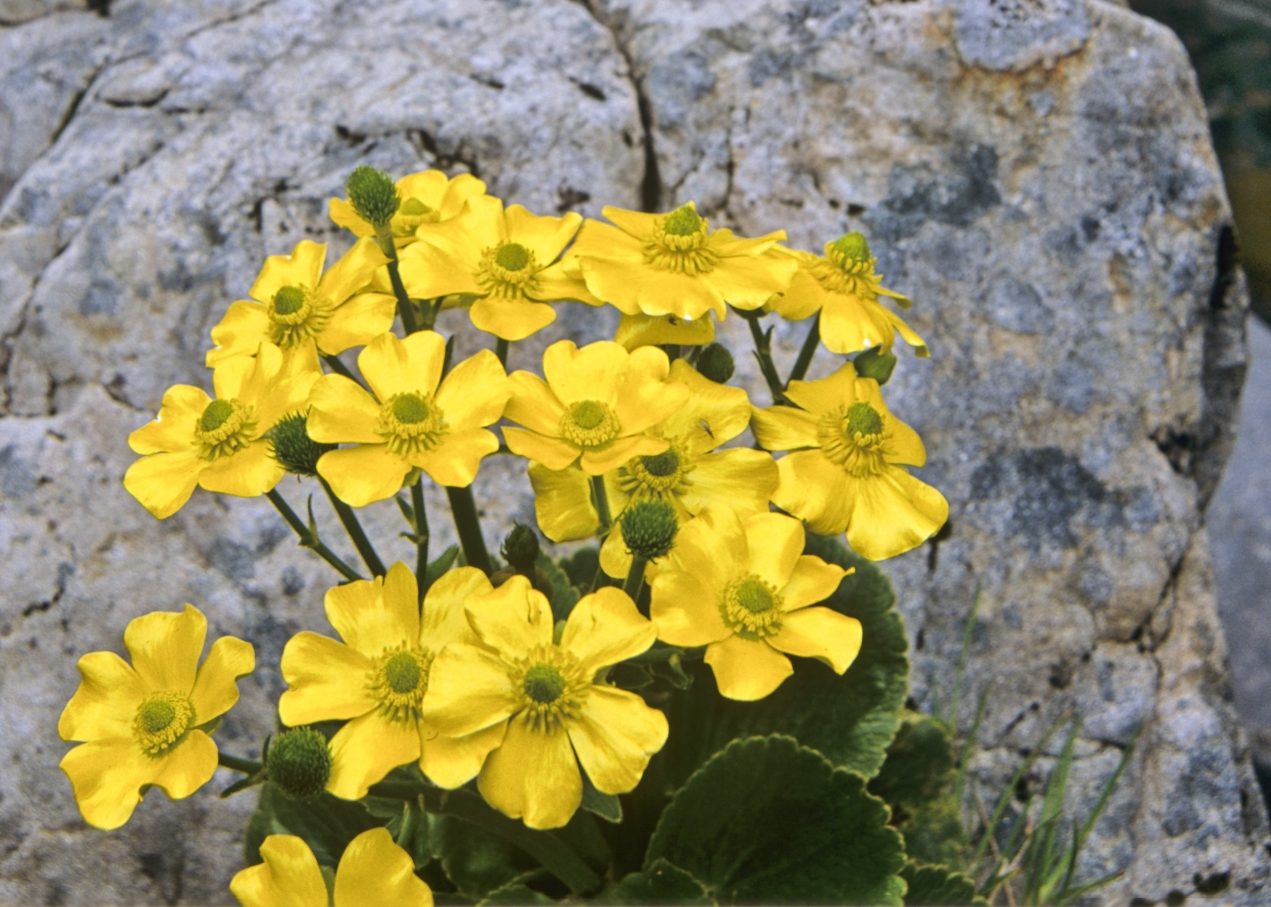
Alpine flowers are one of the more picturesque elements of the tops during the summer months, and often add a delight to tramping that is lacking in other seasons. Buttercups, such as the misnamed Mount Cook ‘lily’, are some of the most conspicuous of our native alpine flora. New Zealand has 32 buttercup species, including about 19 that live in the mountains. Of these, some occur on the tops of both main islands, while others, like the rare Ranunuclus godleyanus, have a more limited distribution.
With so many species, knowing how to indentify them does take a bit of learning. Over the decades, several helpful alpine plants guidebooks have been published; the most recent called Above the Treeline by Alan Mark. Alternatively, trampers can now use apps available online to help identify species from their own photographs.
One of the most accessible places to observe native alpine buttercups is the Hooker Valley, Aoraki/Mt Cook National Park. It’s so well known for its displays of Ranunculus lyallii that photographing it with Aoraki/Mt Cook behind has almost become a cliché.
Here are three other species that trampers might like to seek out.
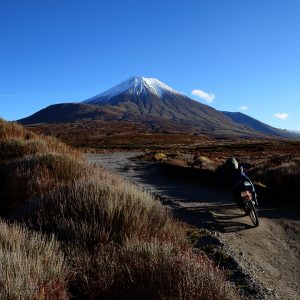
1. Ranunculus insignis, Waikamaka Valley, Ruahine Forest Park
This common species, known as the mountain buttercup or korikori, occupies many tops of the North Island, and as far south as Canterbury’s Two Thumb Range. It grows as low as 700m, but will range as high as 1800m. One of the best sites I’ve seen it in is the head of this delightful Ruahine valley. Either tramp up the Waipawa River and over Waipawa Saddle, or for a more adventurous approach, head over Te Atuaoparapara from Sunrise Hut. During November and December, the upper part of the valley is usually full of flowering buttercups.
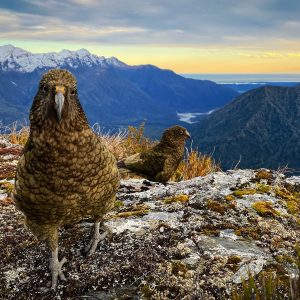
2. Ranunculus godleyanus, Ivory Lake, West Coast
Due to its remote, spectacular location, Ivory Lake is hallowed ground for hut-baggers and trans-alpine trampers alike. When I first visited in 1996, we could photograph the extraordinary juxtaposition of alpine plants next to icebergs floating in the nearby lake. While the remnant of the glacier grows smaller each year, it’s still an excellent site for botanising, boasting a wide range of alpine plants. Perhaps most showy of them all is the rare Ranunculus godleyanus, which grows not only on the lake edges, but also on the tallus slopes above. This buttercup is confined to the central Southern Alps, and likes wet feet. Mathias Saddle, the headwaters of the Hokitika River and Whitcombe Pass also provide good habitat, where it flowers in January and February.
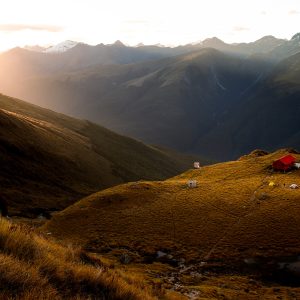
3. Ranunculus sericophyllus, Cascade Saddle, Mt Aspiring National Park
Cascade Saddle is another magnificent place for alpine botanising. There are so many microhabitats on the rolling, tarn-strewn, tussock-dominated ledge, that all sorts of species find a home there. Ranunculus sericophyllus, also known as the silky alpine buttercup, grows in ground-hugging mats, at high altitudes between about 1400 and 2100m. It ranges from Lewis Pass southwards.