Safety measures coming to Ben Lomond

December 2017

Read more from

December 2017

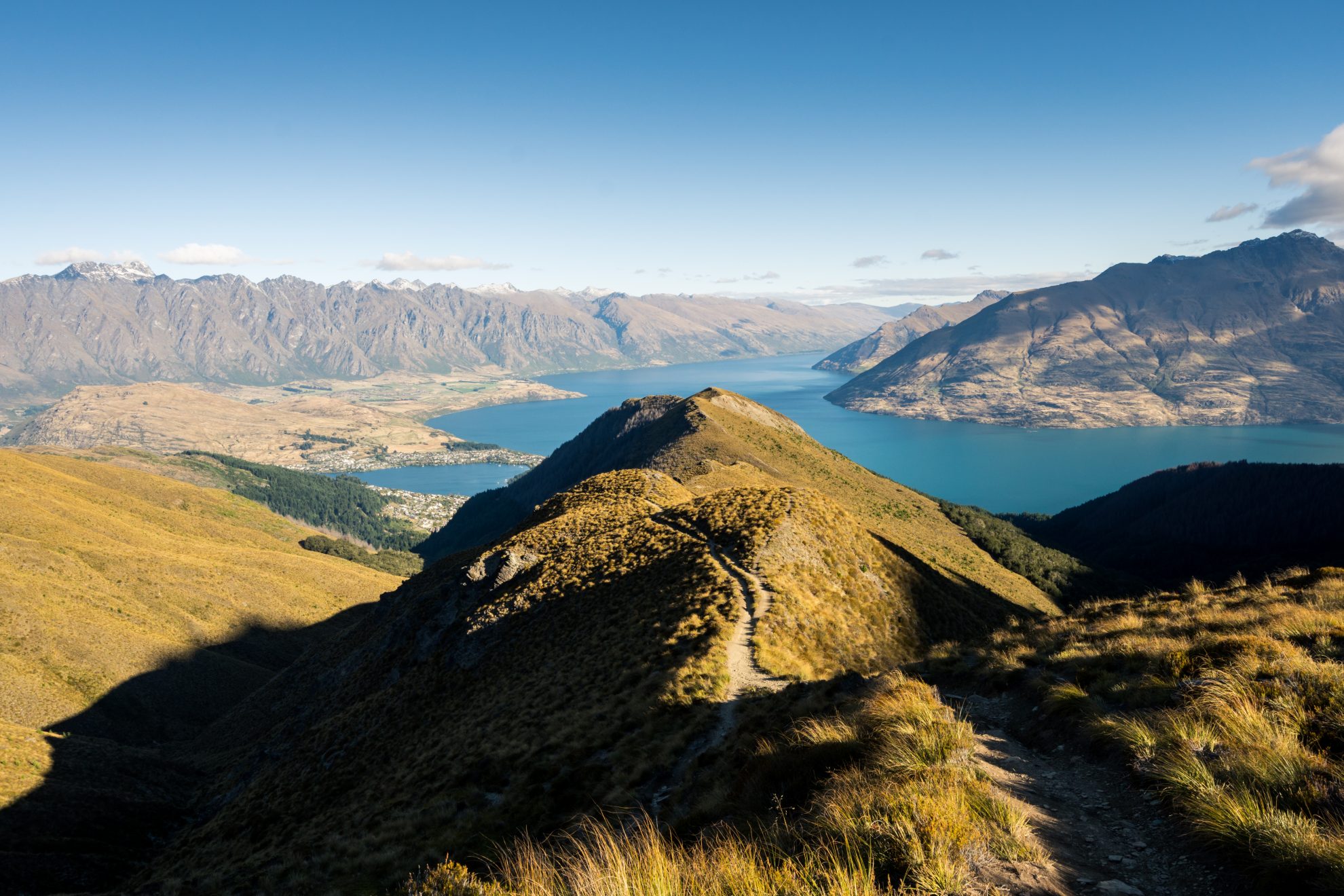
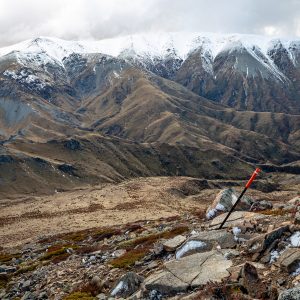
The Ben Lomond Track, a day walk from the heart of Queenstown, offers fantastic views and real risks. Photo: Kyran Spence
The Ben Lomond Track is an idyllic day walk from the centre of Queenstown, but it’s also responsible for nearly half of all search and rescue operations in the Wakatipu region 

Climbing above the Queenstown gondola, with views of Lake Wakatipu and the eastern flank of the Southern Alps, the Ben Lomond Track is an accessible portal into the mountains. But at 1748m, its accessibility belies the risk and the popular alpine trail has become the biggest cause of search and rescue callouts in New Zealand’s adventure capital. Wakatipu Search and Rescue committee member Ed Halson says the walk accounts for 39 per cent of call outs in the region, of which there are about 50 a year.

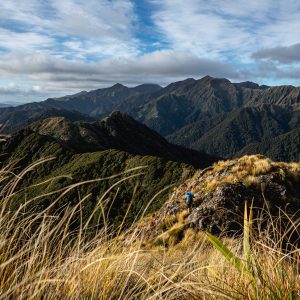
The trail climbs 1300m over just 4.5km of track, and it’s a six to eight hour return trip, rising up to an exposed tussock-clad ridge. Halson says the biggest cause of rescues was people heading off track and underestimating the time and risks involved.

In late September, three people were rescued from Ben Lomond in one week, after heading off track. The first rescue involved a woman who made a wrong turn while descending the trail.

“She had got part way down a couloir and found she couldn’t go up or down,” Halson says. “There was still a lot of snow up there and there is some very steep terrain, so the consequences of slipping were quite nasty. On the east face, if you start slipping you aren’t going to stop.”

Luckily, her husband, who was in Christchurch, was able to raise the alarm and track her using a smartphone app, until her phone went flat. She was rescued just after midnight, after she was located by a night vision-equipped helicopter and rescued by a cliff rescue team.

Four days later, two European tourists got lost after deciding to follow an unmarked track from the summit in an attempt to find an alternative route back to Queenstown. It’s a common mistake, Halson says, as people believe they can continue down the south-facing ridge to get back to Queenstown.

“They got fed into a catchment they didn’t expect and were rescued by helicopter at about 3am after a six hour search,” Halson says. “Unless you’re very experienced, it’s not a loop track and that route should not be attempted.”

Halson says many of the rescues could have easily been avoided.

“The track is often underestimated and people don’t go prepared,” Halson says. “They seem to think it’s an easy walk, but it’s subalpine, and there can be ice and snow cover.

“But most of the rescues are due to poor decision making. People often underestimate the time it takes to get back and they lose the trail in the dark.”

Safety improvements are being planned for this summer. Markers are being installed at every decision point on the trail and the track is being re-aligned to make it more defined. Signage, warning of the risks, will also be added.

But Halson expects the track will remain a regular for the search and rescue team.

“We will still get call outs, but hopefully we can reduce the number and distress involved,” Halson says. “Two and a half million people come through Queenstown each year. Given the number of people, I think it’s surprising we don’t get more callouts.”

Halson has a simple message to stay safe on the trail.

“Always let someone know where you are going, do your research, take a map and be honest about your capabilities. If you think it’s a bit beyond your abilities, either don’t go or seek a companion who is capable. If it’s becoming too difficult or the conditions worsen, just turn around.”

George Driver

About the author

George Driver

More From Walkshorts

Related Topics

Similar Articles

Banks Peninsula property becomes regional park

A summer of protecting Tongariro

Ready for the roar

Trending Now

Every Tararua hut reviewed and ranked

Apply for the Shaun Barnett Memorial Scholarship

Five ways to Lake Angelus

Mt Somers via Te Kiekie Route, Hakatere Conservation Park

The Tararua’s forgotten traverse

Subscribe!
Each issue of Wilderness celebrates Aotearoa’s great outdoors — written and photographed with care, not algorithms.Subscribe and help keep our wild stories alive.

Join Wilderness. You'll see more, do more and live more.

Already a subscriber?  to keep reading. Or…

34 years of inspiring New Zealanders to explore the outdoors. Don’t miss out — subscribe today.

Your subscriber-only benefits:

All this for as little as $6.75/month.

1

free articles left this month.

Already a subscriber? Login Now