Growing up in Central Otago, the Southern Alps were the first natural features that engendered a connection to the landscape in me and an urge to see more – the urge to explore. While the upper North Island lacks the glaciated peaks of the south, since moving north five years ago, I’ve found kauri elicit that same sense of awe and wonder.
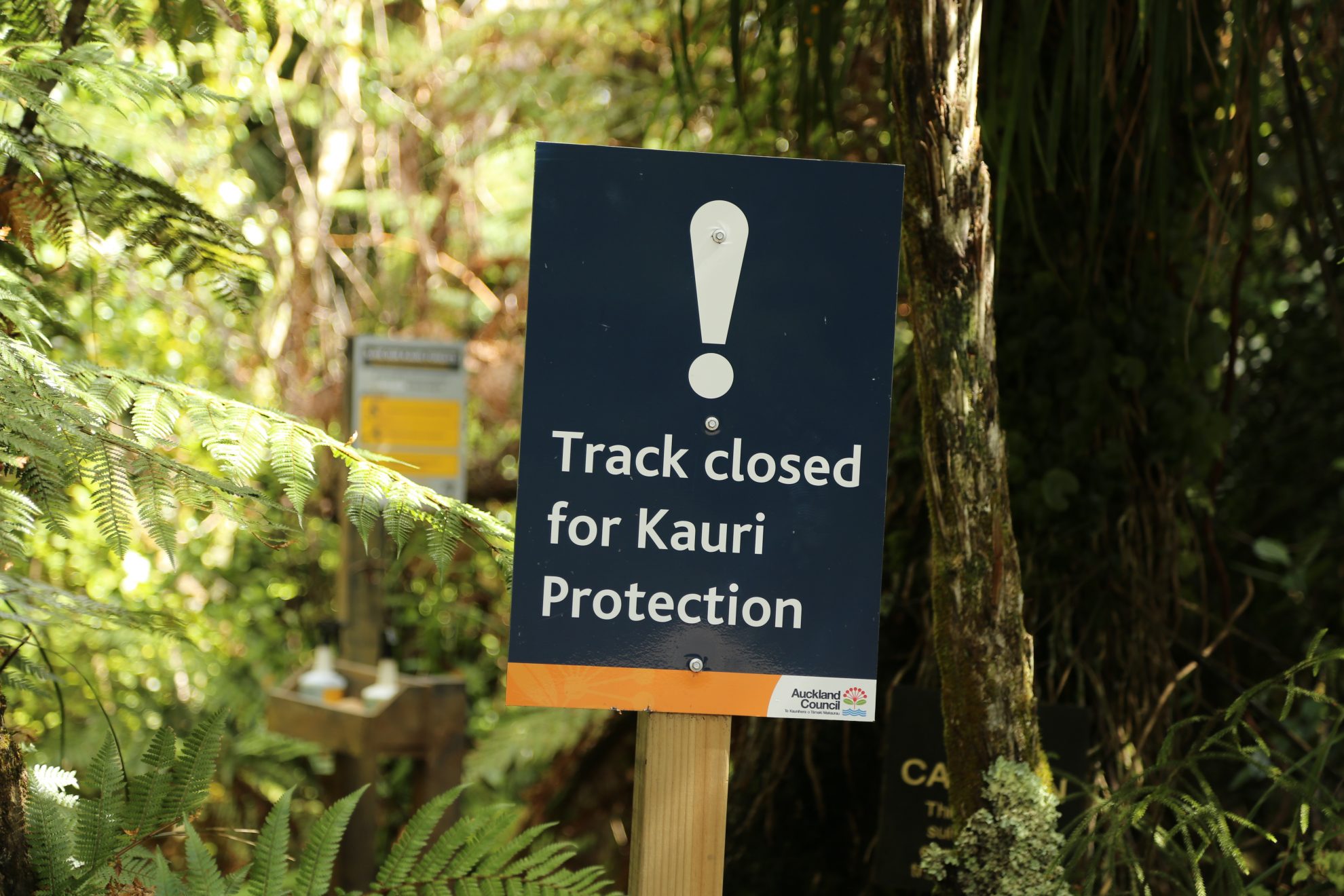
But now it seems there’s a real risk that we could lose these ‘alps of the north’. Kauri dieback disease is continuing to spread rapidly, killing almost every tree it infects, and we don’t know how to stop it. In this knowledge vacuum, the Walking Access Commission (see page 11) has made the bold call that, unless we close access to all kauri forests, we may lose them. As the sight of skeletal kauri crowns in the forest becomes more common, such drastic measures may be necessary to give breathing space to find a proven cure or prevention strategy.
At the same time, more people are heading into the forests and the hills than ever before. A recent Sports NZ survey found a quarter of adults have been tramping in the past year, well ahead of participation rates for the cornerstone Kiwi sports of rugby, cricket and netball. Tourists are also heading to the hills in record numbers. Latest figures show 602,000 overseas visitors, or a sixth of all tourists, went tramping during their visit last year, and half of all tourists visited a national park.
But while tramping has never been so popular, the threats to access have never been so great. In the South Island, track closures are being mooted as farmers say the impact of thousands of tourists is becoming too much to bear, while kauri dieback has been called the greatest threat to public access in New Zealand’s history.
At this juncture, the NZ Recreation Association, Federated Mountain Clubs and the Walking Access Commission are calling for a nationwide plan to ensure access is enhanced, not lost. They want landowners, central government, councils, NGOs – and trampers – to help develop and fund a strategy to build, maintain and develop more tracks, and to ensure access in perpetuity. The success of organisations like the Backcountry Trust has shown what the outdoors community is able to do to save and expand what we have. It’s time for a vision – and funding – to ensure tramping, and the network of facilities that sustain it, can grow and thrive in the future.