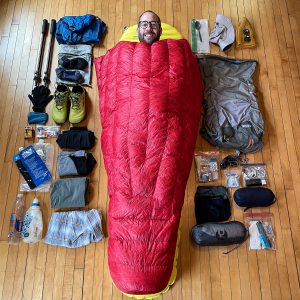
Each time we assemble the monthly gear guides, I notice the increasingly green tinge of the outdoor gear available – whether tents, boots, sleeping bags or clothing.
I’m not referring to the colour, of course, but the greater use of recycled fabrics and fills, and less environmentally harmful products. Perfluorinated compounds (PFCs) are being ditched in favour of alternatives, and new fabrics and materials are appearing that promise to be better for the environment.
This month, we discover exactly how the outdoor textile industry is trying to do less harm (see With modern gear comes a modern problem) – in manufacturing and throughout the life of a product. The uneasy truth is that the outdoor clothing we rely on to keep us dry and warm in challenging conditions has been damaging to the natural world we all care so much about and wish to explore. The durable water repellent (DWR) coating applied to rainwear to make it waterproof can leach into the environment (and even into us), and the synthetic fabrics used to make our mid-layers can shed hundreds of thousands of microplastic particles with every wash. Incredibly, microplastics have been discovered in clouds, throughout the ocean and in our food chain.
So it’s pleasing to see brands developing the next generation of synthetic fabrics that shed up to 80 per cent less than current options. And there are even plant-derived DWR coatings for rainwear, tents and packs that are said to perform better than PFCs.
Despite this progress, there’s no viable organic material that can replicate the synthetics used for technical outdoor applications that combine “that sweet spot of waterproofness, light weight and durability”, according to Erik Henderson from Rab.
So much still needs to be done, but the good news is that most, if not all, outdoor brands are trying – and that means we are likely to see more progress in future. As outdoor lovers, we can play our bit too by supporting those companies doing their best to reduce the environmental impact of their products. Where possible, buy the ‘green’ alternative and (or) buy durable items that will last longer. Repair and revitalise your existing gear instead of replacing it. The special washes available for down and wet weather gear can give your garments a new lease on life.
Harris Saddle and Routeburn Falls Hut, Mount Aspiring National Park
Dobson Loop Track, Tararua Forest Park
Upgrading to ultralight without replacing everything
Subscribe!
Each issue of Wilderness celebrates Aotearoa’s great outdoors — written and photographed with care, not algorithms.Subscribe and help keep our wild stories alive.