Do you itch to get out the door first thing or prefer to take it easy and leave later?
The early bird catches the worm. Or does it? According to studies, the majority of us – around 60 per cent – are a mix of morning lark and night owl. It’s all about your optimal functioning time. It can also depend on the activity.
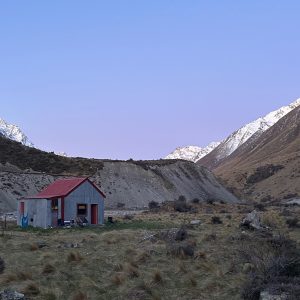
Larks enjoy beautiful sunrises, quiet trails and that ethereal mist on a cold, crisp morning. They also have to clear the cobwebs from the track and get wet legs from the dew.
Night owls can enjoy relaxed mornings with space in the hut kitchen and a warmer start, but they might end up with the last (or no) choice of bed and have to camp instead.
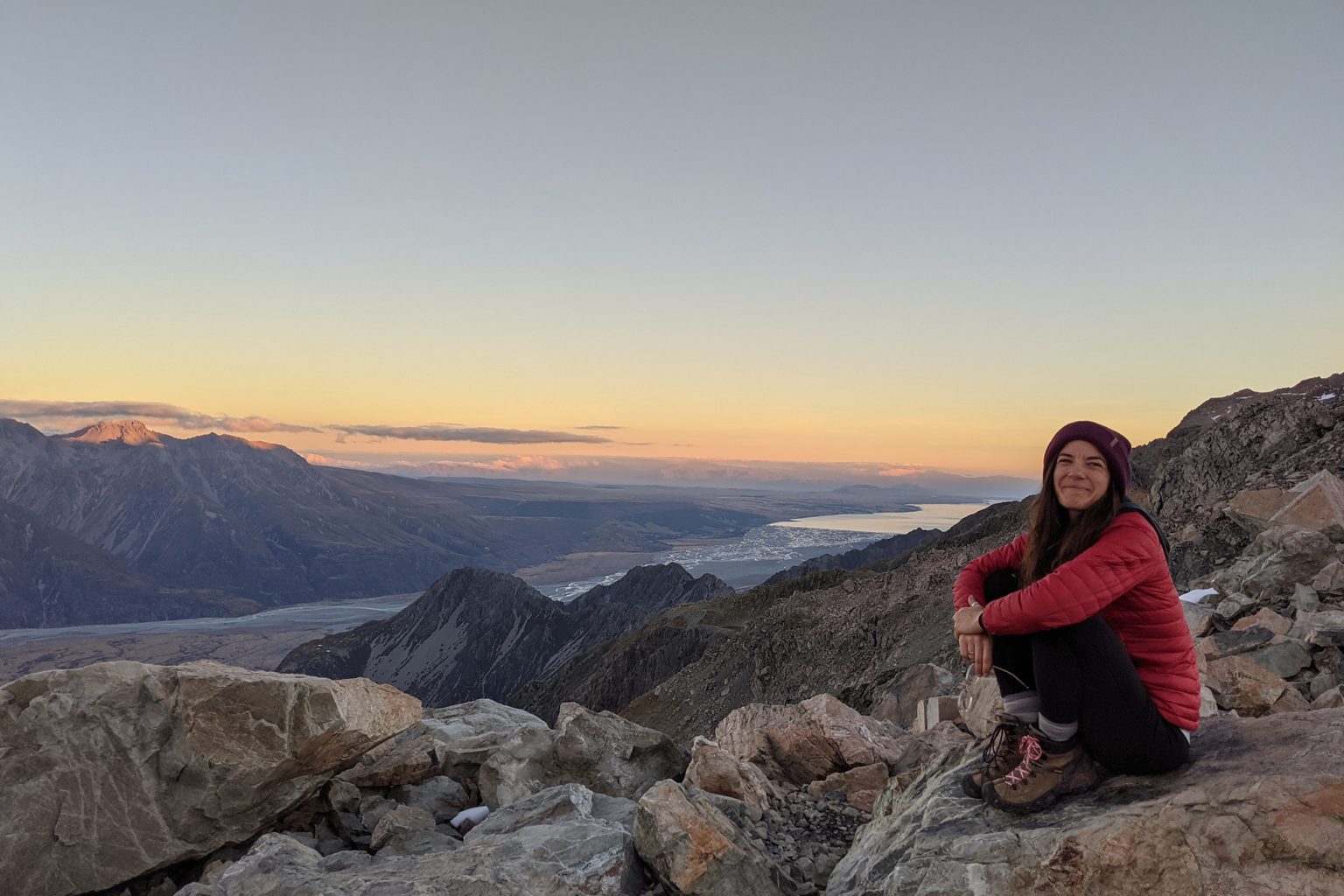
Katie Payne from Christchurch loves to get out the door first thing when tramping. “Leaving early in the morning gives me more play time, more time to enjoy the journey. I can savour a long lunch or take advantage of that swimming hole along the way.”
Payne likes to get to a hut or campsite early in the day. “I don’t like having to rush through dinner or set up in the dark,” she says. “There’s a real enjoyment for me in resting when I reach the place I’ve spent the day getting to.”
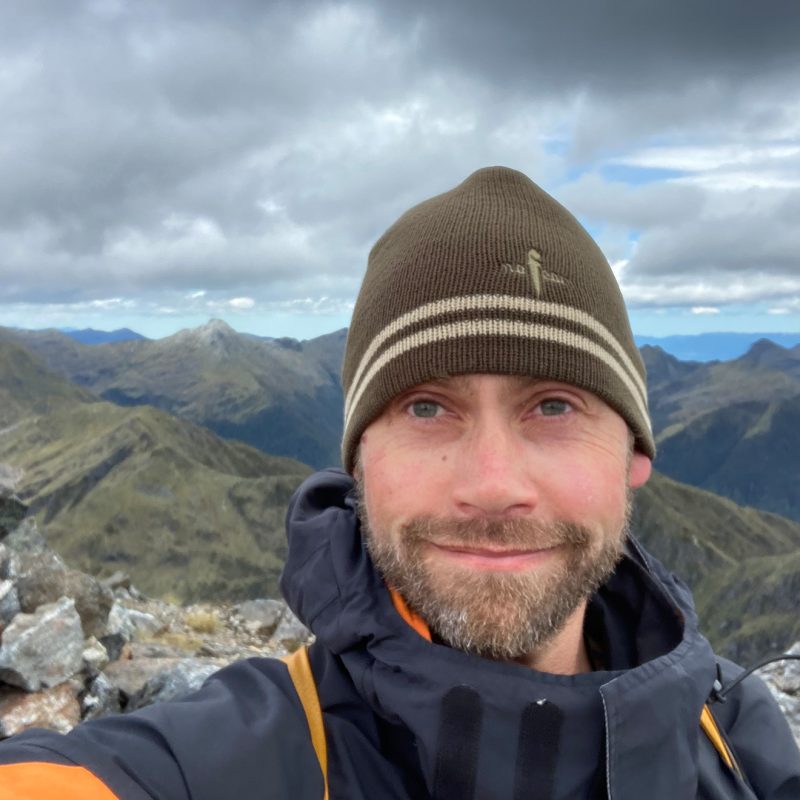
Matt Boyd from Reefton is, in his own words, “not a get-up-and-at-it early person”.
“At home I have a coffee in bed. When I’m camping I prefer to lie in my sleeping bag, enjoying the feeling of being in the middle of nowhere for as long as I can.” He doesn’t like to feel his weekends are rushed, and if he’s heading into the mountains he generally leaves home mid-morning. “The sun’s usually out by then,” he says. “The disadvantage is that in winter it’s dark by 5 o’clock, and if there’s ice on the inside of the tent in the morning, all I want to do is get out of there as fast as possible!”
Sylvie Myers from Auckland is also a tramping night owl. “I prefer a later start if it’s not a long day and I have a booked bunk at the end,” she says. “The benefits are being able to dry your tent if camping, and not getting passed if you’re slow.” Myers and her group once had the Tongariro Alpine Crossing part of the Northern Circuit practically to themselves by leaving at 11am one morning. “The cons are getting the last choice of bunks and kitchen space.”