Modern tracks are more accessible and that’s a good thing

August 2021

Read more from

August 2021

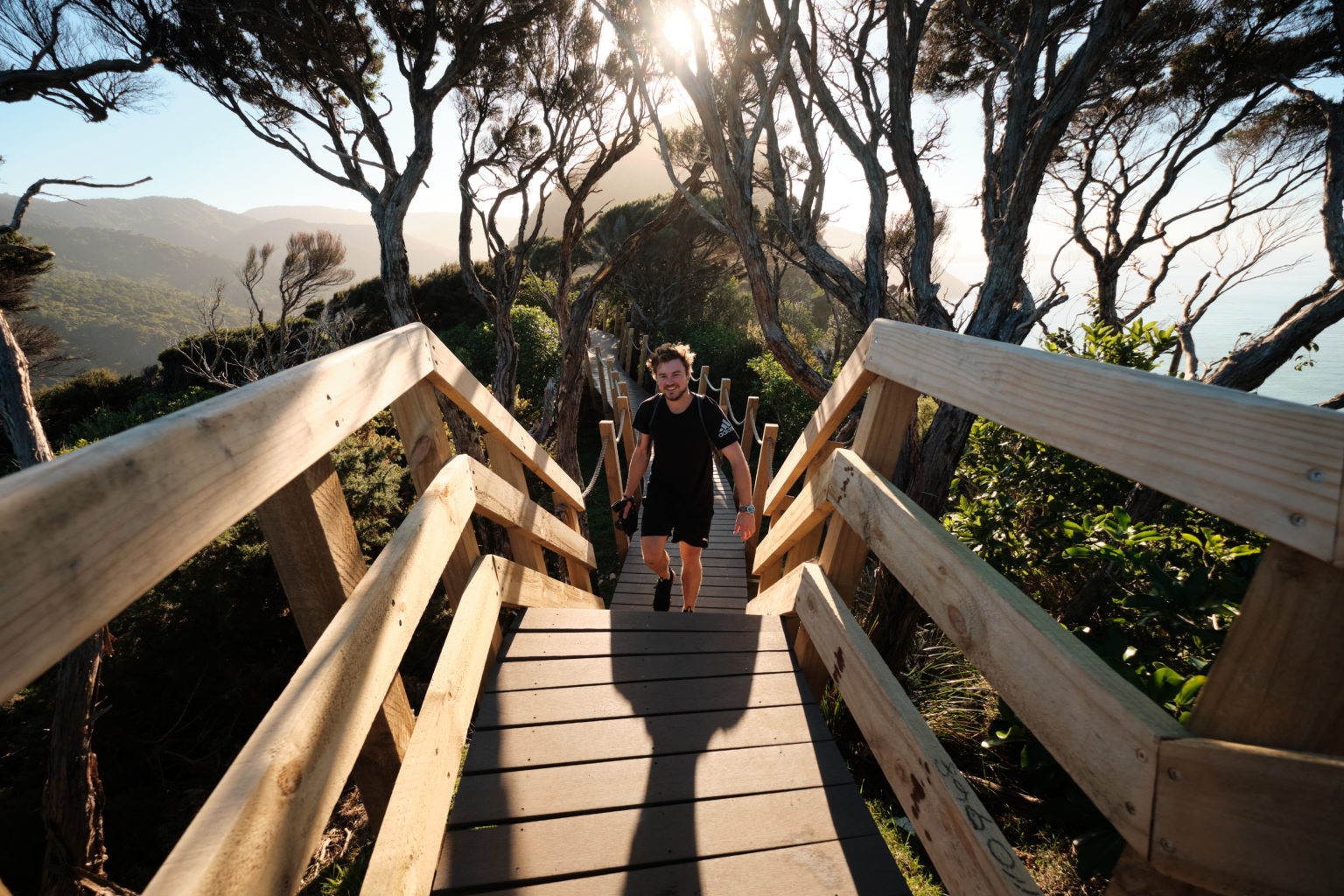
Omanawanui Track in Waitakere Ranges is an example of an accessible track still offering adventure. Photo: Matthew Cattin

Track building has come a long way since I was a child, mostly, I think, for the better. 

I didn’t always think that way. I remember walking the track to Cathedral Cove when it seemed no one else knew about the amazing Coromandel beach. It was a horrible, exhausting track. But the reward of a deserted beach, with a waterfall to shower beneath made it an exciting adventure. By contrast, when I first walked the modern concrete path the trail has since become, the trip no longer sparked joy; the sense of adventure was lost (sharing the trail with hundreds of others didn’t help, either). 

Until a few years ago, I used to mourn that loss of adventure but the truth is the old track could not handle the volume of traffic it received – up to 500,000 people a year. The concrete track will save on maintenance costs in the long run and it also allows access for a wider range of users. 

More tracks should be more accessible (or ‘Accessibel’) and that’s exactly what we’re beginning to see. Just consider the newly reopened Omanawanui Track in the Waitakere Ranges or the Paparoa Track on the West Coast. In the case of Omanawanui, the track has been transformed from a muddy, difficult tramp to a dry, board-walked affair with platforms and staircases to minimise the risk of spreading kauri dieback. I’m no fan of boardwalks, but after so many tracks in the Waitakere Ranges were closed because of kauri dieback, I’ve come to see them as essential for protecting our kauri forests. It’s only because of this modern track building material and techniques that Auckland’s best track can be used again. And by even more people than before. 

Further south, track builders in Paparoa National Park drew on decades of track building experience and added 21st-century technology and techniques when building the Paparoa Track Great Walk. The track has been built in such a way as to minimise future maintenance and to make it blend into the bush so that it looks like it has been there for years already. The surface might be unnaturally hard, but the result is a track that is more accessible than almost any other: mountain bikers and trampers can both use it (a unicyclist has even ridden it). It’s only a matter of time before a wheelchair user tackles the track. That would be amazing.

Sure, modern tracks can be boring and hard on your feet. They can be less adventurous. But there are still plenty of other trails that offer a more authentic tramping experience. A few that are designed to be more accessible means more people will enjoy them and allow some tracks in sensitive locations to remain open. 

Alistair Hall

About the author

Alistair Hall

More From August 2021

No previous post found.

More From Editorial

Related Topics

Similar Articles

Nobody wants to ban kids from reading Wilderness

An incredible trail

AI for trip planning has benefits and flaws

Trending Now

Kãnuka Loop Track, Bendigo Historic Reserve

What’s the big attraction of the Old Ghost Road?

‘The hut my dad built’

Cascade Hut, Kaimanawa Forest Park

High country gold

Subscribe!
Each issue of Wilderness celebrates Aotearoa’s great outdoors — written and photographed with care, not algorithms. This Christmas, subscribe or gift a subscription and help keep our wild stories alive. It’s the perfect way to connect with friends and whānau who love the outdoors as much as you do.

Join Wilderness. You'll see more, do more and live more.

Already a subscriber?  to keep reading. Or…

34 years of inspiring New Zealanders to explore the outdoors. Don’t miss out — subscribe today.

Your subscriber-only benefits:

All this for as little as $6.75/month.

1

free articles left this month.

Already a subscriber? Login Now