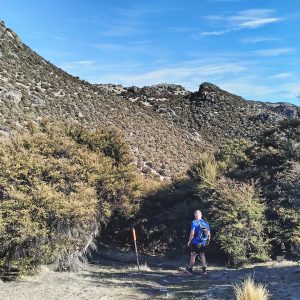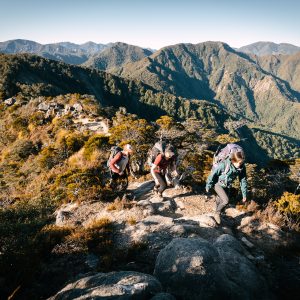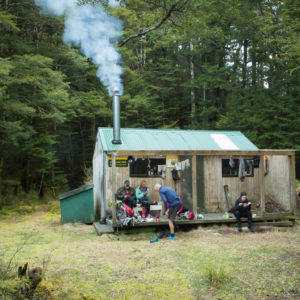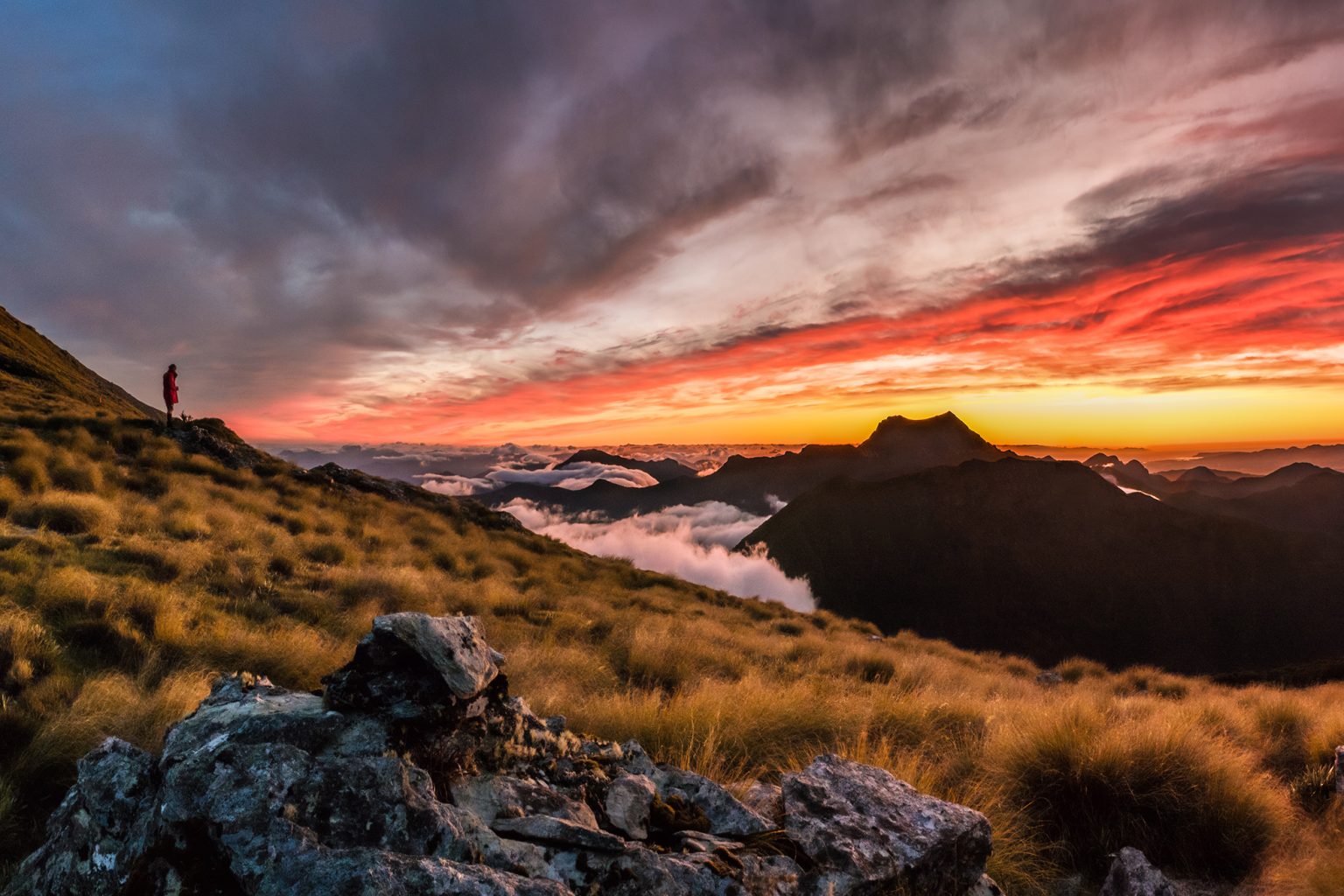
Outdoor photographer and Panasonic Lumix user Peter Laurenson identifies the three best Lumix cameras for outdoor users.
I’ve been a keen outdoor and travel photographer since heading off on my O.E. in 1988. A lot of my photography is done in the mountains, often when on the move off trail. So my most important camera features are:
1. Sufficient RAW image quality
2. Smallness – both in size and weight. This enables me to clip my camera to my chest strap for easy access without it obscuring my view of the terrain I’m on, and so that I can use a light-weight tripod
3. A good quality lens with a zoom range starting at 28mm (or less) and extending to 200mm (or more)
4. Through-the-lens-view for composition accuracy and being able to see what I’m photographing in bright light
5. Manual F-stop, shutter speed and ISO modes, combined with spot metering.
I started my Lumix journey using the Lumix TZ220, a compact zoom model, in 2018. I was sold on it’s bigger sensor, lower weight, and wider optical zoom range when compared to other comparable compact cameras.
Lumix also offers a range of mirrorless digital cameras with detachable lenses. Lumix introduced its first mirrorless camera in 2008 – the first camera company to do so – and these offer better F-stop control, higher light sensitivity and a greater number of lens options. Here are three that I think are worth considering.
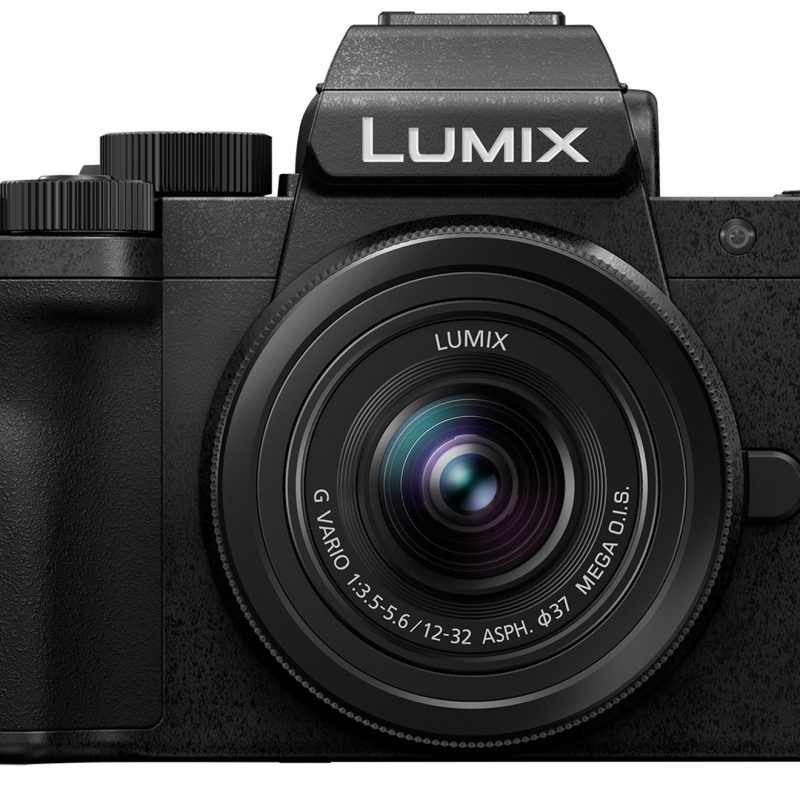
G100D
This camera is just 346g (lens excluded) and has a sensor 26% of full frame – which in my opinion,
is well sufficient. It ticks my manual shooting modes and also has a reversible back-of-camera screen that is handy for summit selfies. It also comes as a kit with an ultra compact 12-32mm lens.
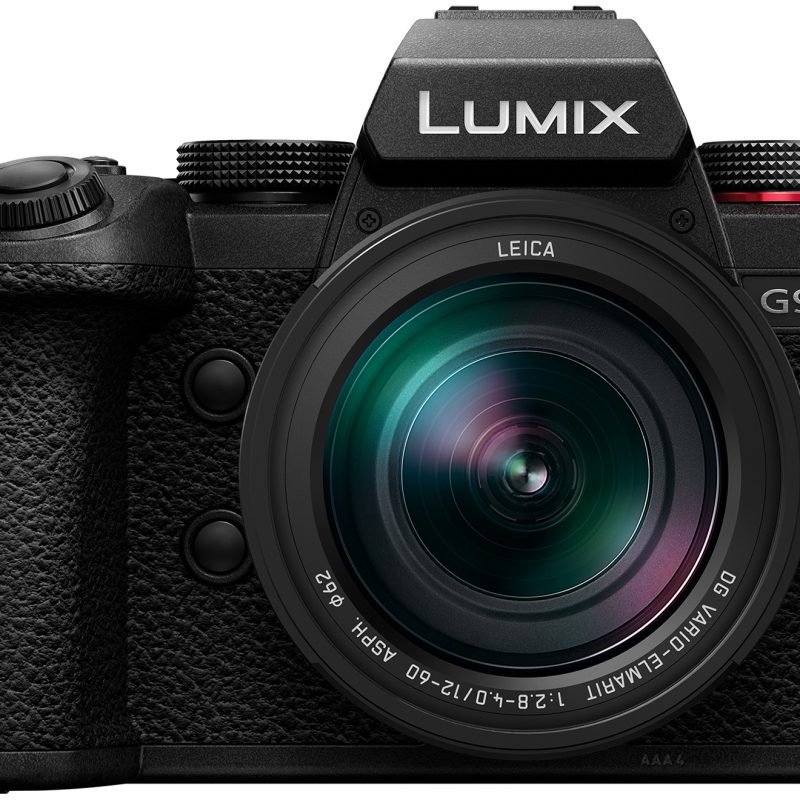
G9MkII
The G9MkII is a little bigger than the G100D (575g), but offers weather sealing – important for outdoor use. It’s sensor performs a lot better than the G100, too, showing a big improvement in shadow detail and ISO performance. This model can also operate at -10→, which is an advantage in the mountains, or when taking photos during the golden hour – before sunrise and after sunset.
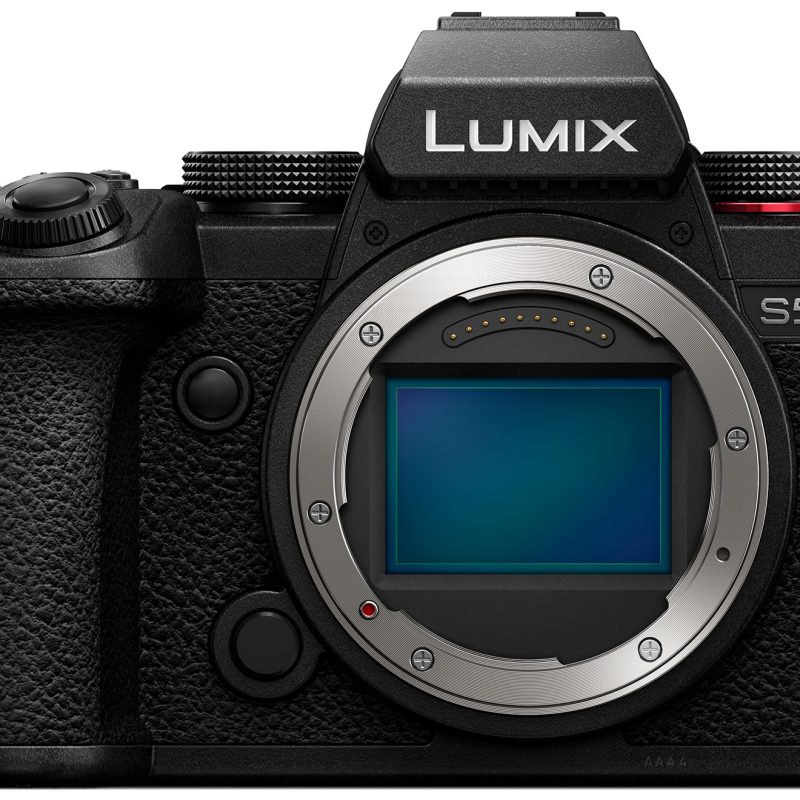
S5II
This is Lumix’s top-of-line mirrorless full frame camera, bristling with features. A full frame sensor does offer several advantages – improved light sensitivity, less noise in low light, greater depth of field control and bigger printing capability. Though heavier (740g) than the G100D and G9MkII, it’s still around 20 per cent lighter than comparable DSLRs from other brands.
The Panasonic Lumix TZ220 has been Peter’s companion for many years. He is now considering buying a G100D. www.panasonic.com