How to respond when things don’t go to plan

October 2021

Read more from

October 2021

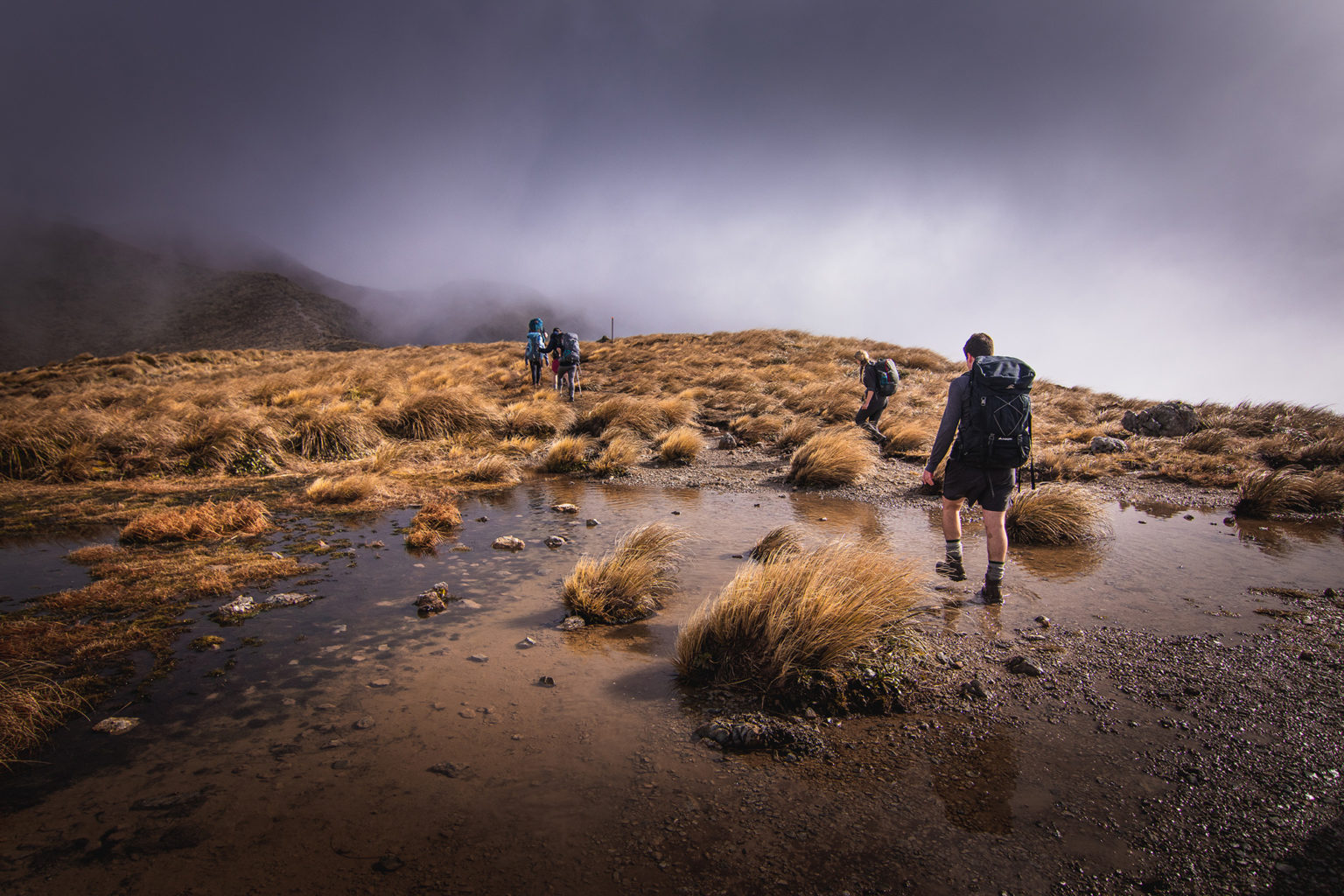
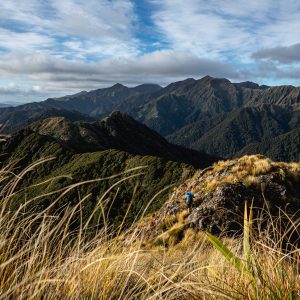
The outdoors is a changing environment, be prepared to make decisions under duress. Photo: Lana Young

Sometimes things don’t go to plan and a decision is required. How should you respond? 

The outdoors is a changing environment in which to recreate. The weather, the terrain and people may change the situation, sometimes very quickly. Even on a short walk these changes may require decisions to be made under duress. Getting it wrong could have a serious, even fatal, outcome. So, what can be done to help ensure sound decision-making?

Be prepared: There will be more options when you’re better prepared. For example, if you have warm clothes and a raincoat, you can continue, seek shelter, turn back or go another way if the weather turns bad. If you don’t have this equipment, you’ll need to get out of the weather as quickly as possible which may mean taking risks while moving quickly or going more carefully and risking exposure. 

Be aware of the situation: It’s very easy to become distracted by the view, the company or the challenge of the trip and not notice a situation developing until it’s too late. Take time to look about and consider the weather, your location, the people in your group and any other clues that suggest trouble may be brewing. Indicators of impending change in the weather include cloud changes, the wind picking up and the temperature dropping. Are these conditions consistent with the forecasted weather? Compare your surroundings with what you expect from the map. Are you where you expect to be? Is the terrain (treefall, slippery, steepness etc) still suitable for the group? Think about the people you are with; how are they faring?

Take the lead: In an informal group, there is rarely a defined leader. The highest-ranked person may not be the best person to lead. Any person who feels that a situation requires leadership is likely to be a strong leader. Don’t wait for someone else to do it; take the lead.

Stop and think: Often, the first response to a changing circumstance is panic. It is important not to rush headlong into your response. First, stop and think. Being tired, cold or hungry can affect your ability to assess and act – or even be aware of the situation. The factors often go together. At such times, take a rest in some shelter (even if it’s just a rock or lee of a hill), put warm clothing on and have something to eat.

Assess the situation: Consider what your options are. You don’t necessarily need to continue with the original plan. Consider what gear the party has that might help the situation. Look at the map and consider alternative routes, huts, shelters or return the way you came. 

Take action: Weigh up and discuss the pros and cons of each option and then come to a decision and act decisively.

– Heather Grady is an instructor with Outdoor Training New Zealand

Heather Grady

About the author

Heather Grady

Heather Grady is an instructor with Outdoor Training New Zealand

More From Skills

Related Topics

Similar Articles

Lessons learned the hard way

How to clean your sleeping bag

How to treat a wasp sting

Trending Now

Upgrading to ultralight without replacing everything

Apply for the Shaun Barnett Memorial Scholarship

Walk1200km‭ ‬in 2026

Summer hiking clothes

50 great walks for kids

Subscribe!
Each issue of Wilderness celebrates Aotearoa’s great outdoors — written and photographed with care, not algorithms.Subscribe and help keep our wild stories alive.

Join Wilderness. You'll see more, do more and live more.

Already a subscriber?  to keep reading. Or…

34 years of inspiring New Zealanders to explore the outdoors. Don’t miss out — subscribe today.

Your subscriber-only benefits:

All this for as little as $6.75/month.

1

free articles left this month.

Already a subscriber? Login Now