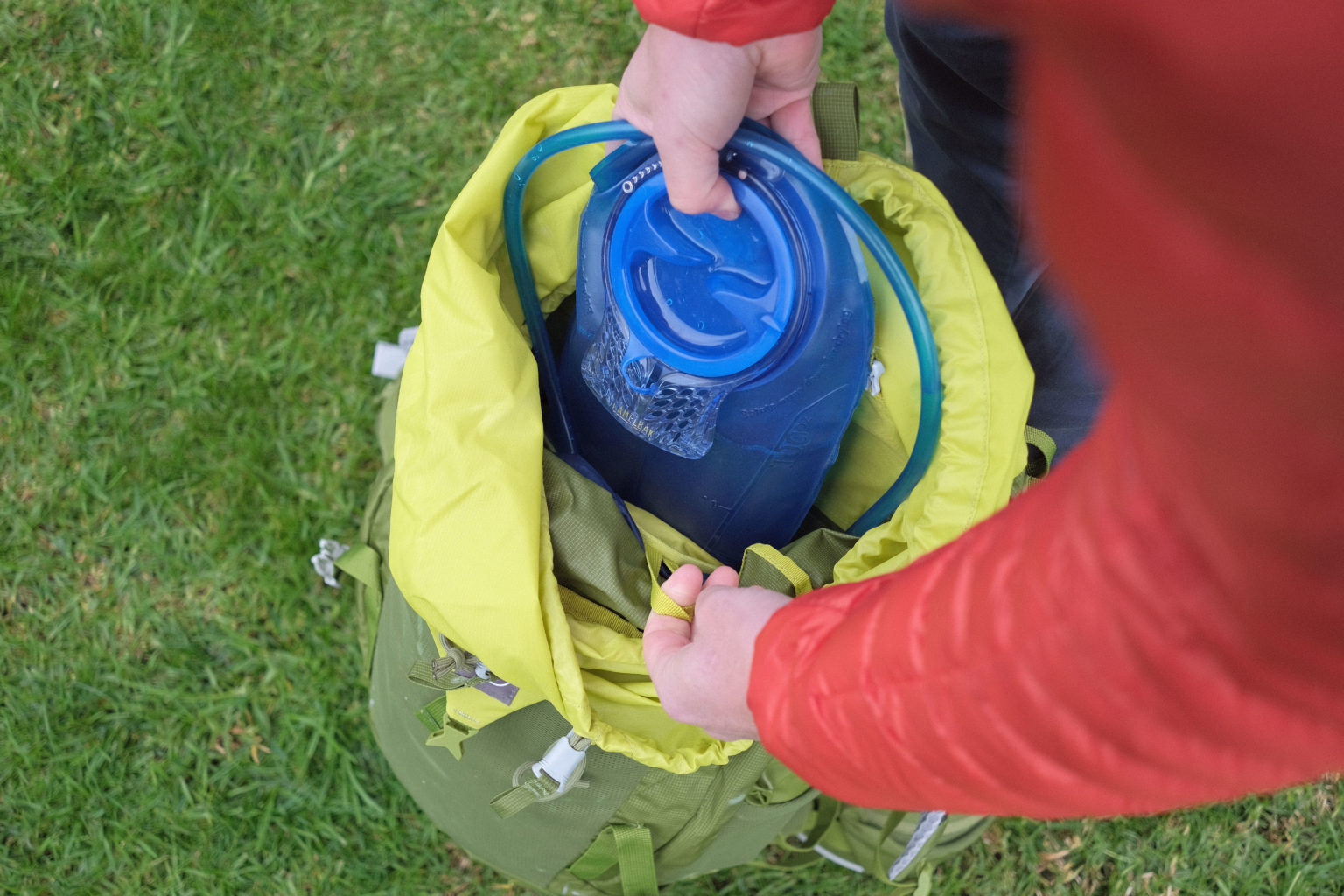
It doesn’t take long for mould and bacteria to run wild in your water reservoir, so make sure you know how to keep it clean.
I have a love hate relationship with water reservoirs – I love using them, and hate keeping them clean. Friends will attest that memory isn’t a strong suit of mine, and I once left my reservoir for six months without cleaning it. The results were horrifying; lemon slices turned shocking pink, and tubing a furry black. The smell… I won’t go there. To cut a pong story short, learn to clean your water reservoir. Here’s how you do it.
Grime waits for no man
Like all tramping gear, your water reservoir should be cleaned as soon as you’ve finished with it – not the day before the next mission. The longer it’s left to its own devices, the more chance bacteria and mould has to grow and multiply. Time spent on day one is time saved in the long run.
Find a solution
While there are specific cleaning products for reservoirs, a number of household supplies will also suffice. If you’ve purchased a cleaning solution or tablet, follow the steps on the product. Otherwise, use one of the following.
- Baking soda: A mild alkali, baking soda is effective at removing grease and dirt. Add a generous heap to a few cups of warm water, and add it to your reservoir. Give it a good shake and mix, and allow the solution to flow through the tube and mouthpiece. Leave to soak for 20 minutes, and remove.
- Lemon juice: The acid in lemon juice is antibacterial and acts as a natural bleach, making it a fantastic eco-friendly cleaning product. It also has the added bonus of neutralising odours and if used regularly, can mask the plastic reservoir taste. Add a quarter cup of lemon juice and a cup of warm water to the reservoir, and follow the steps above.
- Bleach: Unscented household bleach is a strong cleaning agent, and only a few drops will be required for a litre of water. Complete the steps as above.
Scrub-a-dub-dub
Once you’ve used a cleaning solution, it’s time for a thorough scrubbing.
Using a reservoir cleaning kit or clean dish brush, warm water and dishwashing soap, get into all of the nooks and crannies. Reservoir cleaning kits generally include a wire or spring for cleaning the tube, but a knotted cord is also effective. Remove the bite piece and pull it through several times.
Once clean, rinse with fresh water.
No water, no cry
Once cleaned, dry it completely before storing it. If it’s still dripping, leave it in a cool dry place with good air circulation. If it’s in the hot sun, condensation may form on the inside.
You can help air circulate, and aid drying, by propping the reservoir open with a kitchen whisk, paper towels or spring-loaded tongs.
Store the reservoir in a dry place with the lid open to allow air circulation. A reservoir hanger will be useful here, but you can make one cheaply and easily by bending a metal coat hanger to shape.