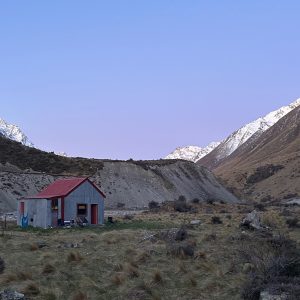
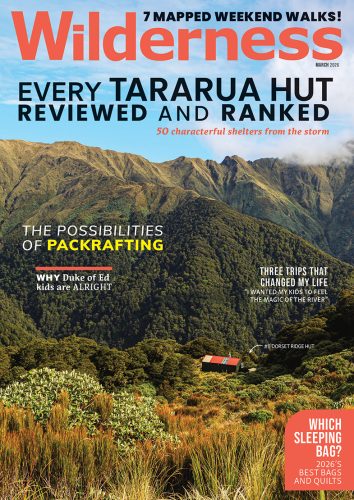
Backcountry huts have had a profound impact on New Zealand – the network built by the New Zealand Forest Service and then by DOC is often touted as the best in the world an is a major draw card for international visitors.
But the huts have also made the outdoors accessible and safe to generations of Kiwis and are on of the key reasons Kiwis love getting outdoors so much – there’s always somewhere to rest your head.
But with more than 1000 huts on its books, DOC has decided it can’t look after them at all. The money just isn’t there.
Fair enough; these are tough times we’re in and besides, it’s not likely we’ll see that number drift down too quickly. Even huts DOC can’t look after won’t just crumble and fall apart immediately. Most backcountry huts have been built to last, and last they are. Many decades old and have survived the absolute worst Mother Nature can throw at them.
The bad news is DOC often sets about removing a hut it no longer maintains, no doubt citing health and safety regulations. Seems to me a hut in the wilds is a safer place to be when in dire straits, regardless of its condition, than remaining out in the open.
There is some good news though. Communities affected by hut closures and removal are stepping into the void created by DOC’s absence. Groups like that which rebuilt Mt Brown Hut on the West Coast, and more recently the locals at Tennyson Inlet who have proposed to save Matai Bay Hut, which DOC planned to move somewhere else. To DOC’s credit they’ve put that plan on hold and are in discussions ith the locals about how best to preserve the hut in its current location. DOC is actually pretty keen to help communities who put their hand up – it kindly flew in the materials for the Mt Brown Hut project.
DOC’s budgetary constrains have been a call to action for many, so this issue we look at how building and maintaining huts in the backcountry isn’t something we have to rely solely on DOC for. If we want to keep the network we have, then it’s going to take a bit more hard yakka from those who use them. It’s not necessarily a bad thing – when communities and groups get together to achieve a common goal, then these communities are inevitably brought more tightly together. A little of the spirit and camaraderie of the backcountry brought closer to home.
Ministry of Works Historic Hut, Kahurangi National Park
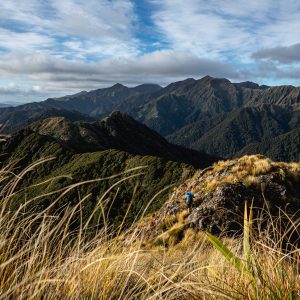
The Tararua’s forgotten traverse
Subscribe!
Each issue of Wilderness celebrates Aotearoa’s great outdoors — written and photographed with care, not algorithms.Subscribe and help keep our wild stories alive.