Take a trip to Europe and you’ll see dozens of castles, palaces, cathedrals, ancient ruins and even entire streets, suburbs and cities dating back hundreds, sometimes thousands, of years. My father was brought up in a tiny village in England’s Midlands that has Roman numerals on the timber frames and was built more than 500 years ago.
For me, coming from New Zealand where everything is, well, new, it’s fascinating to imagine the lives once lived in these ancient places. But for the people of these countries – whether they be English, French, Swedish or Turkish – these buildings are a link to their past. They provide a cultural reference that helps them understand who they are and where they have come from.
Because New Zealand is such a young country, even from a Maori perspective, there is little in the way of such cultural icons here. A walk around Auckland’s CBD will reveal a few architectural gems from the early 1900s, but most buildings are newer, characterless and tell us nothing about who we Kiwis are, nor about our place in the world.
But our heritage – at least European heritage – is there if you want to go and have a look. You just need to lace up your boots and carry a pack to find it. It’s in the landscapes of Otago, the mountains of the Southern Alps and the bush found throughout the country.
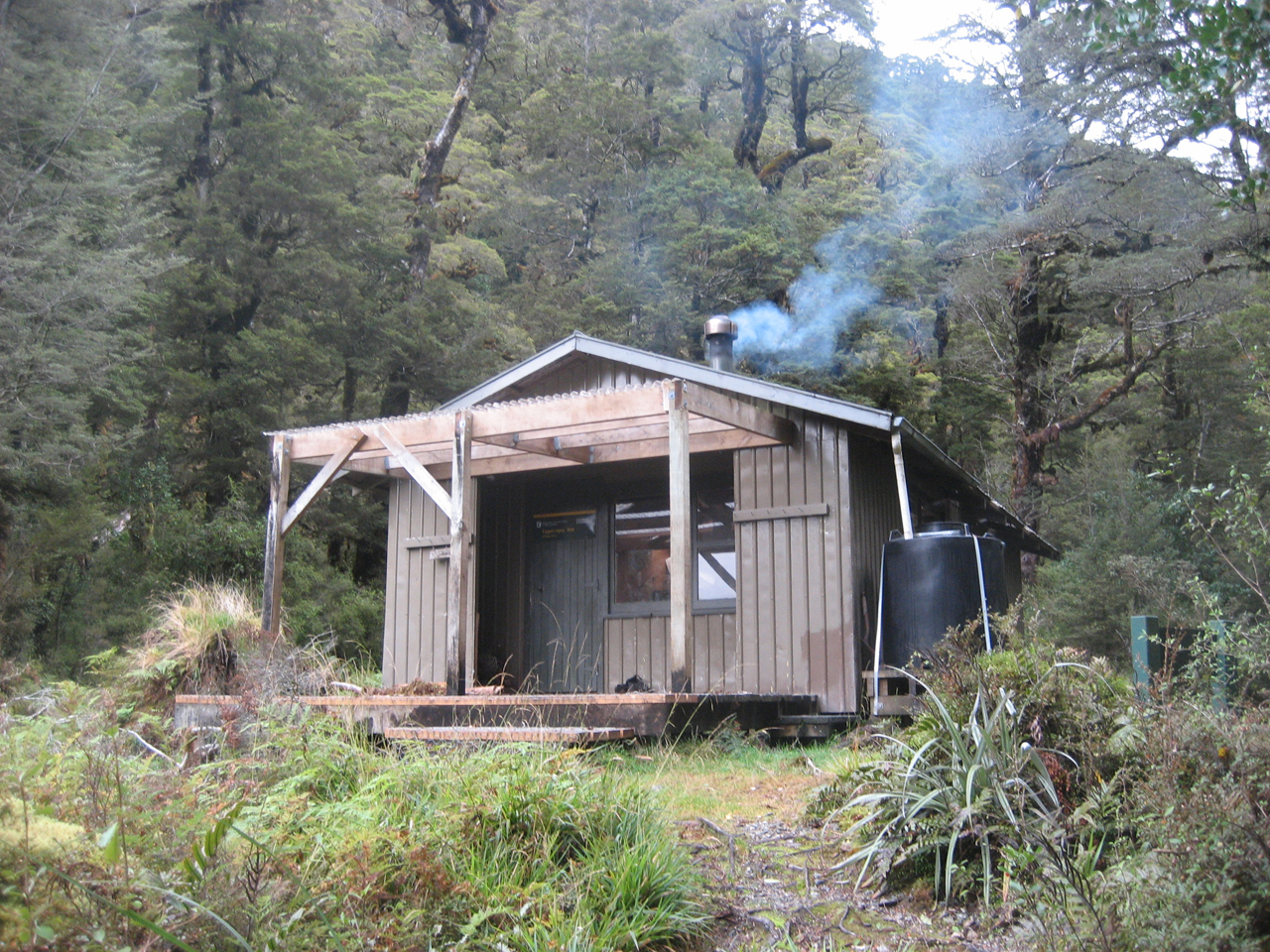
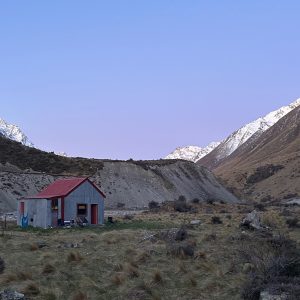
Maori have a strong affinity with the land, but so too do New Zealanders of European decent. And dotted all over the land are huts – once shelters for miners, musterers and hunters. They now form a recreational asset second to none.
New Zealand’s backcountry huts are, as Geoff Spearpoint says in the article starting on page 54 ‘Where it’s always warm and safe’, “living breathing” links to our past. Though the oldest may only be 100 years old, they are part of our heritage and they inform us about our history and contribute to the timeline of New Zealand colonisation.
This issue, as a new book on huts authored by Spearpoint along with Shaun Barnett and Rob Brown is published, we celebrate the people who are doing their best to save huts and this unique part of New Zealand culture. The elements and a cash-starved Department of Conservation have caused many huts to fall into disrepair, but the important lesson I have taken from reading about groups like Permolat (p58), and from my interview with Spearpoint, is that if we want the backcountry huts to remain – whether as relics or as usable accommodation – we users need to be more proactive.
It’s our culture, and it’s we who need to protect it.