It can be hard to know where to start with foraging and how to do it safely. Here are some tips and tricks from a professional.
At the most recent count there are some 9000 edible and endemic species with culinary or nutritional value in New Zealand. Then, there’s around 250 key wild plants and fungi. Together, they form most of our wildfoods foraging opportunities. For me, one of the joys of foraging is learning about such biodiversity in an applied way. Seaweeds, fungi and wild berries are my favourites.
1. Exploring the outdoors and foraging go hand in hand
Foraging is an easy adjunct to many outdoor activities, be it taking the dogs out, a day hike or an extended tramp; even a sea kayaking trip. Exploring the outdoors and foraging go hand in hand.
You don’t need much gear – a small sharp knife or scissors, some containers, a supermarket carry bag and a backpack.
I travel with a chilly bin in the car with ice packs to keep any foraged foods cold, because you never know when you are going to come across a bounty. A simple gas cooker, a fry pan and a pot allow outdoors cooking. I love wild picnics – flavours are more intense in the fresh air.
2. The riparian zones of rivers are top foraging environments
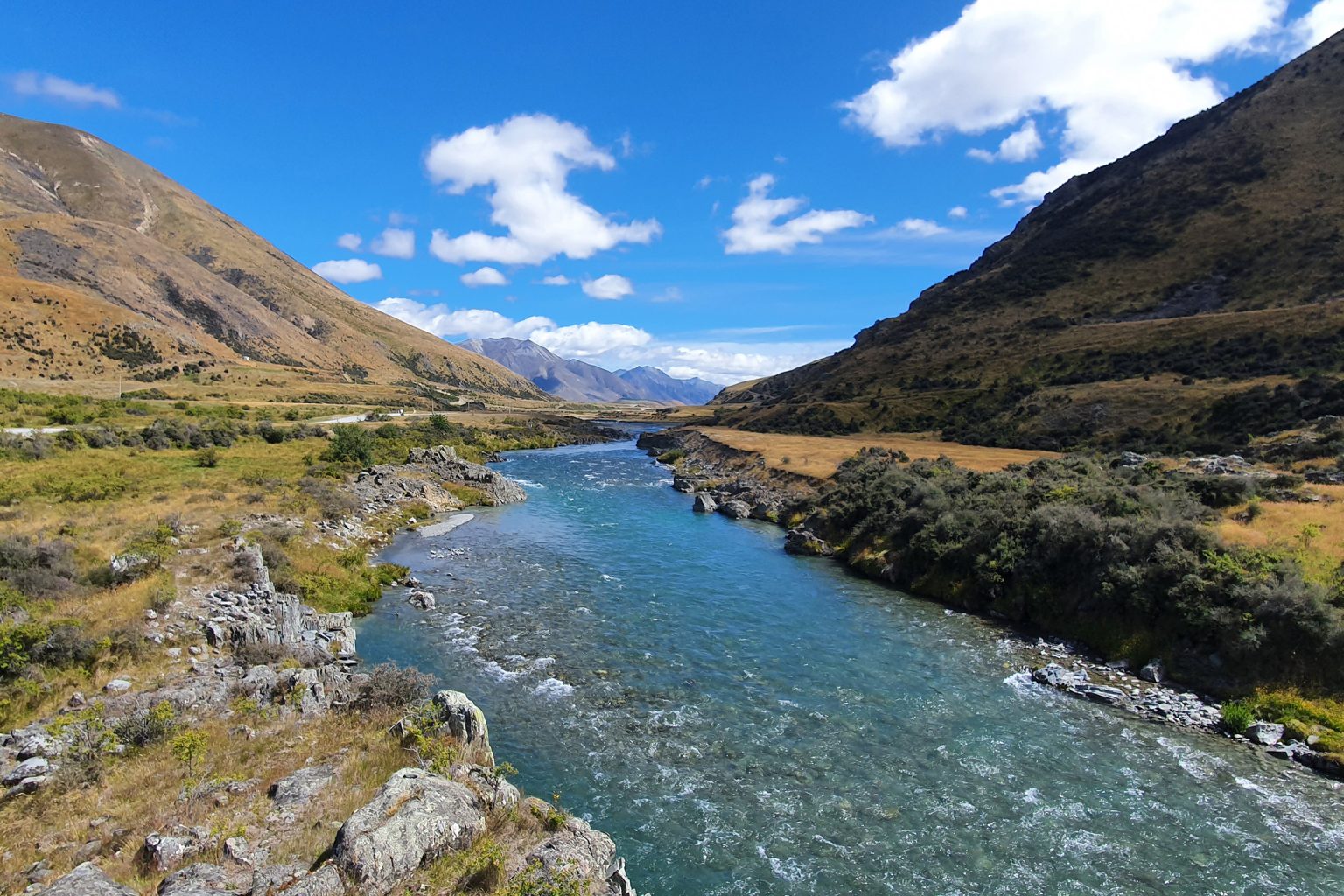
The best foraging areas tend to be at the edge zones where there is the greatest diversity of wild plants and fungi. The edges of forest, coast, rivers and even urban boundaries are great spots. Take time to learn about the areas you are foraging in and any historic land use factors that may compromise water or soil quality.
I love travelling down country back roads, and foraging often takes me to new areas off the beaten track.
3. Smartphones help with identifying wild plants
Accurately identifying wildfoods is paramount, and smartphones have revolutionised the process of identifying wild plants and fungi. Google Lens – searching by a photograph you have taken of a plant or fungi, and searching the image – is a good first step in the identification process. Aim to show any diagnostic features in the photograph.
The internet is a great way to then find out about edibility, but take your time and verify information from a range of sources.
iNaturalist New Zealand is also good for identifying plants, fungi and animals. I strongly recommend uploading your observations to iNaturalist, not just of edible species but of any species you encounter in the outdoors.
4. A radial dehydrator is ideal for drying mushrooms
Often, when foraging, you will get large hauls and also seasonal bounties, so preserving the harvest is important. I especially like dehydrating seaweeds and fungi as this not only allows for long-term storage but also concentrates flavour and reduces weight.
Dried seaweeds, fungi and fruit make great additions to backcountry meals. My favourite is a wild mushroom risotto with a seaweed sprinkle.
5. Exploring new locations is part of the excitement of foraging
Foraging is a lifelong journey and an enjoyable way to learn more about backcountry biodiversity. It’s relaxing, a great way to lose yourself and chill out. Bring the kids along and forage with friends; different people notice different things, and it’s fun discovering and sharing new foraged species.
The more you know about foraging, the more you realise there is to know. Even after 10 years of foraging professionally I am still finding new wildfoods each week. That childlike sense of discovery keeps foraging exciting. For me, there’s nothing better than finding new flavours in the wild and sharing them.
– Peter Langlands is a professional forager and author of Foraging NZ.