In the aftermath of the February 2011 Christchurch earthquake, Wilderness reported on how trampers were better prepared than non-outdoors people for the trying living conditions in the days and weeks following.
Ollie Clifton, at the time the chief executive of the New Zealand Alpine Club, summed it up best when he said: “It’s a nice example of how outdoor skills and experience spills over into other areas of life and equips you for a number of different things life throws at you.”
Clifton is absolutely right; most outdoors people have dealt with some pretty uncomfortable conditions in their time exploring the hills. Cold, wet, hunger, thirst – we’ve experienced them all and it’s gratifying to know our pastime sets us in good stead for when everything turns to custard in civvy street.
The Christchurch earthquake is probably one reason why more and more people are learning the skills of survival. In fact, bush survivalism is fast becoming a growing recreation pursuit in its own right.
But experiencing a disaster is just one part of the equation when it comes to understanding why people want to learn bush survival skills. What’s interesting about bush survivalism, as we discover in our feature on p49, is that people who are learning the skills of survival are motivated less by Armageddon and doomsday prophecies and more by reconnecting with nature.
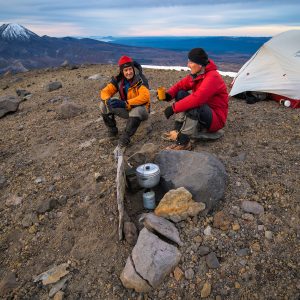
Rather than the clichéd camo-wearing, gun-totting isolationist, today’s modern survivalists tend to come from a tramping background, they are your next door neighbours, doctors, social workers and they all have one thing in common: they want a slower, more immersive bush experience. The fact they know how to build shelter, make fire and identify edible plants is a bonus.
Slowing down and reconnecting with nature is something trampers have ample opportunity to do. It shouldn’t take the threat of natural disaster to make us do it.
On another note, it was welcoming to see a wealthy ‘mystery’ family invest more than $25million into Project Janszoon, which hopes to restore native forest and wildlife in 80 per cent of Abel Tasman National Park by 2042.
This is an immense donation and deserves the gratitude of all who love to explore the conservation estate. However, the cynic in me wonders if such a donation doesn’t play into the hands of those who feel cutting DOC’s budget and resources to the bare bones is justified – why spend taxpayer money on this ‘wishy washy’ conservation stuff when wealthy philanthropists will do it for you? It’s something to keep an eye on. Private donations should certainly be encouraged, but not as a replacement for the cash DOC is being denied.