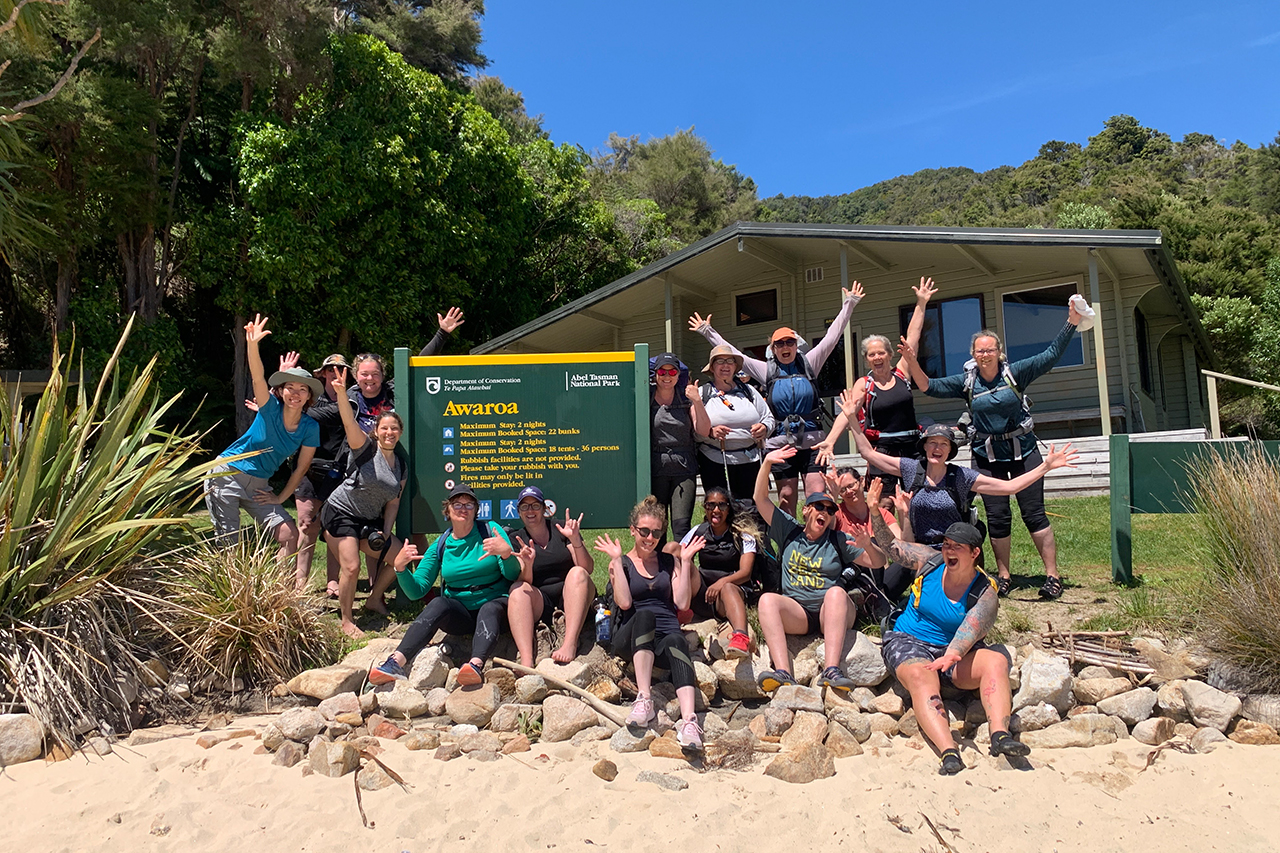
Rachel Soudakoff organises adventurous group trips for deaf people and users of sign language.
Soudakoff, who is deaf herself, moved to New Zealand from the States in 2021 and founded Deaf Adventures five months after her arrival.
“In the USA there are many deaf-owned and -led trips. When I arrived in NZ, I was shocked to see there was no such thing,” she said.
She has since organised nine adventures with more than 100 participants, exploring New Zealand’s Great Walks and paddling around the Bay of Islands on kayaks.
Soudakoff explained that whereas most people go into the wilderness to enjoy the quiet, for deaf people the experience is different.
“As a deaf person, quiet doesn’t mean the lack of noise, but rather the lack of visual noise, such as people, cars, electronics. So going hiking is the same for me, except I escape visual noise instead of auditory noise,” she said.
Soudakoff said deaf people face communication barriers in their everyday lives, but tramping is a place where the method of communication does not matter.
“As long as you can lace up your shoes and get to the summit, the achievement feels the same for anyone.”
She hopes other adventure companies will join her mission to ensure deaf people get to experience the outdoors equally.
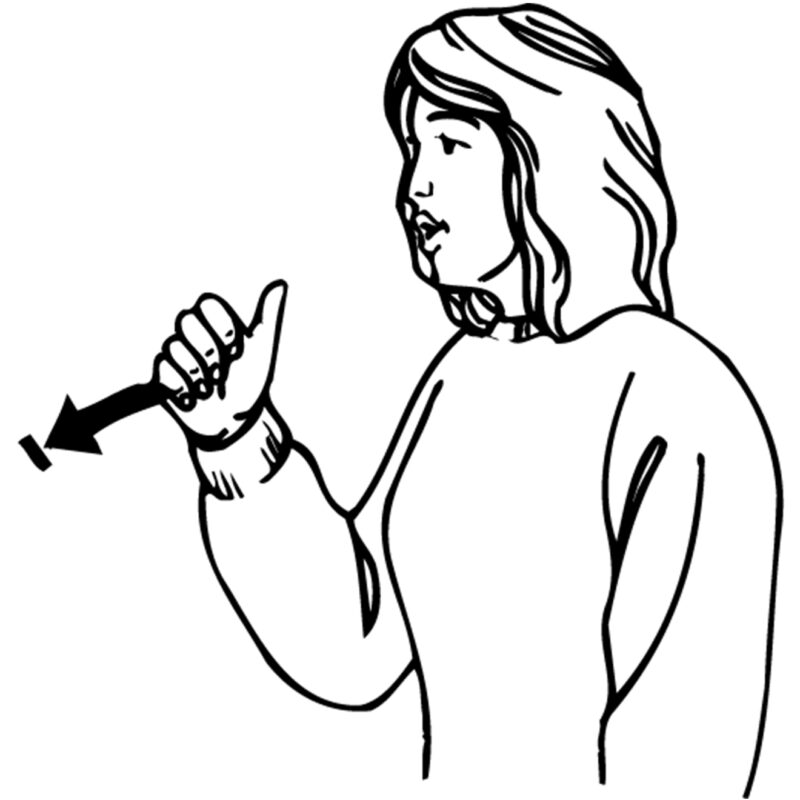
Thumbs up
If you’re ahead or behind your hiking buddy, flick them a thumbs up to know you’re doing okay.
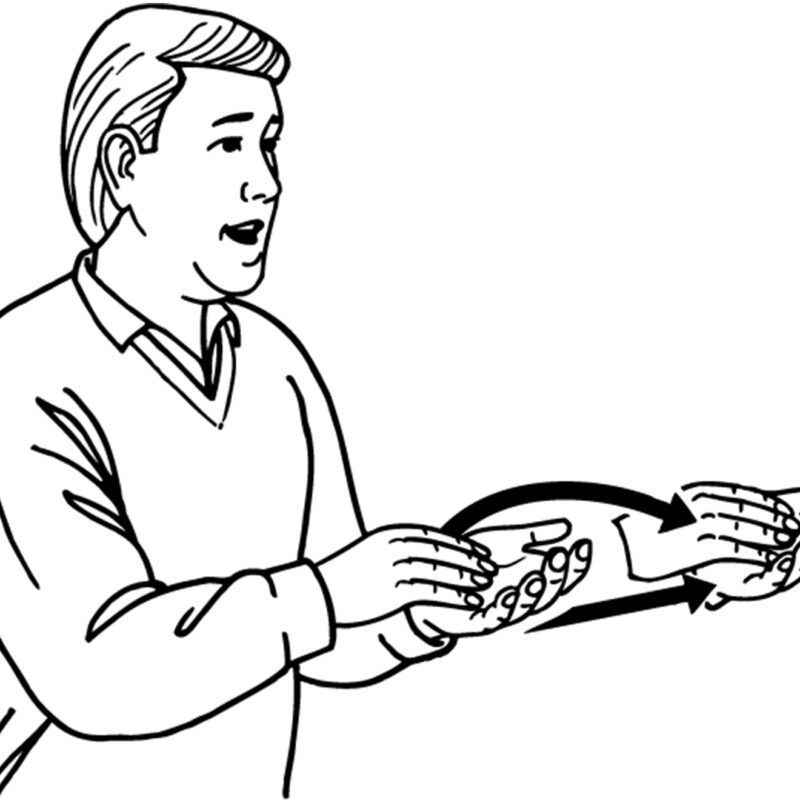
Help
Cup your right hand, fingers curved down with your thumb out and place it on your flat left hand, pushing forward from your body. Use this signal to offer or ask for help.