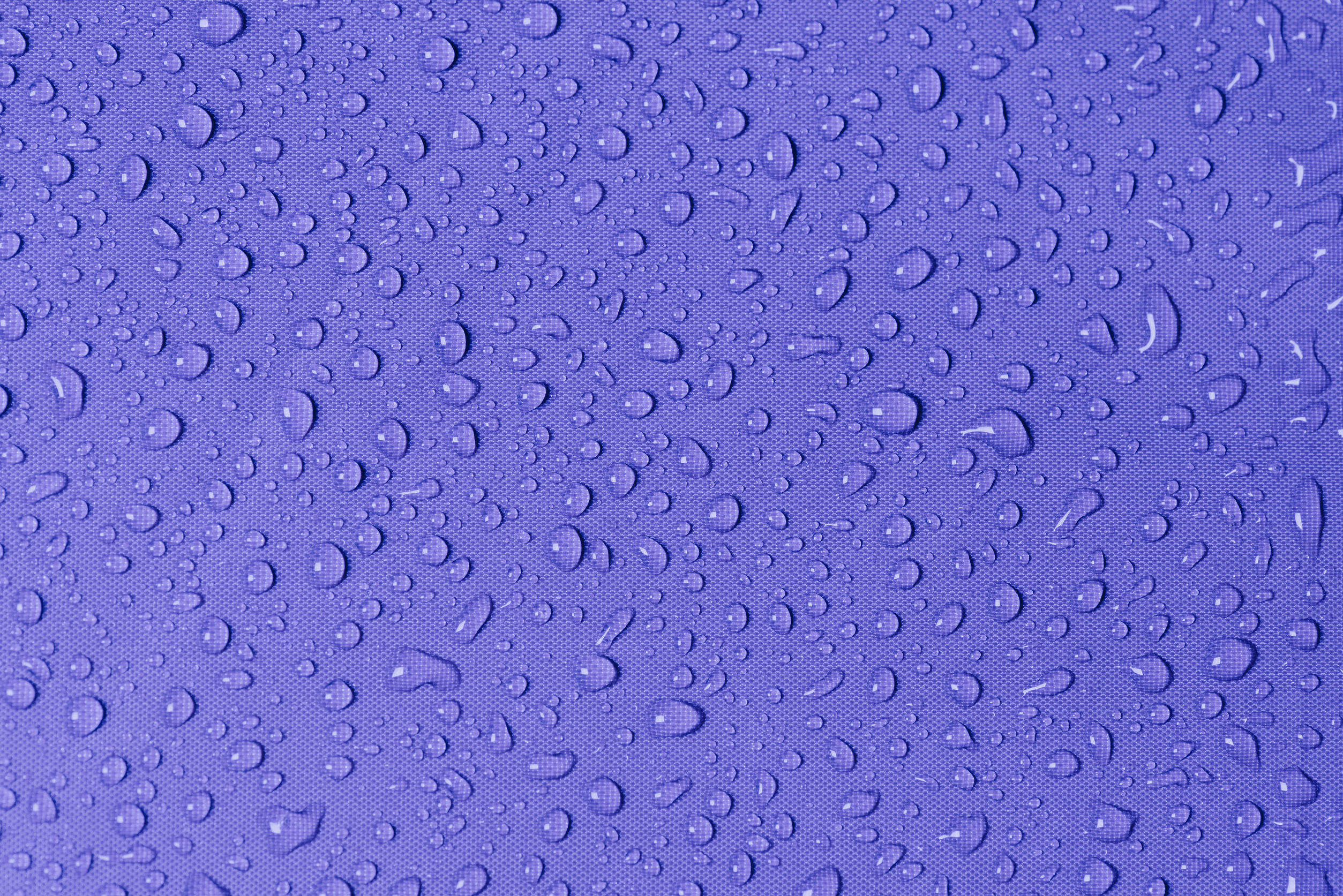
A wet tent puts a real damper on your camping experience, and rain isn’t always the culprit.
Condensation from humidity in the air or even your own respiration can be enough to soak your tent so thoroughly, you’ll think it has sprung a leak. It can be a hard problem to eliminate entirely if weather conditions aren’t on your side, but there are precautions you can take to reduce the amount of moisture condensing on your tent fly or canopy.
Don’t leave it too late to ventilate
Ventilation is key for a drier night of camping, so try and keep the tent as open as can be, wherever possible.
Keep the vents open, and if it’s not too cold, unzip the tent’s inner doors or use mesh doors if the tent has them for maximum airflow.
The tent fly can capture moisture evaporating from the ground too, so it can pay to leave a gap between the fly and the grass, or peg outer doors in an open position.
Pitch in the best location
Promoting airflow through the tent disperses moist air, and pitching the tent where it can catch a breeze can help immensely. Positioning vents or doors to face the prevailing wind will also help.
Survey the location, and pitch the tent in the driest area you can find. As idyllic as it may be to camp beside a lake or river, air near water tends to be more humid.
Size matters
When it comes to condensation, the smaller the tent, the bigger the mess. If you can afford the weight and size, a tent with a greater volume should stay dryer, provided it has adequate ventilation.
Don’t exacerbate evaporation
Leaving wet togs, towels, boots or gear in the tent will add to your woes. If the smell of damp merino isn’t enough incentive to hang your wet gear elsewhere, the extra moisture evaporating from these garments into the tent should be.
Consider leaving wet gear outside under a pack cover or tarp if it’s raining, or hang them in a tree if the weather is fine. Boiling water or cooking inside your tent will have the same effect.
Stop seepage
Moisture on the tent fly is one thing, but water in the tent is another. If you’re settling in for a damp night, make sure to keep both gear and body away from the sides of the tent – if anything is touching the fly, the pressure point can cause water to seep through.
This can be tricky in a small tent, but if you’re short on space, store gear outside under a pack cover or tarp.
Pitch it dry
When dismantling the tent, give it a decent shake and hang it in a breeze for a few minutes before packing it away. If you stop for lunch in a sunny spot, take a few extra minutes to give your tent some air, and put it up as soon as you arrive at your destination to give it extra drying time.