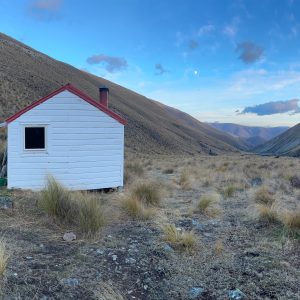
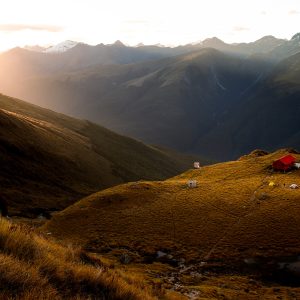
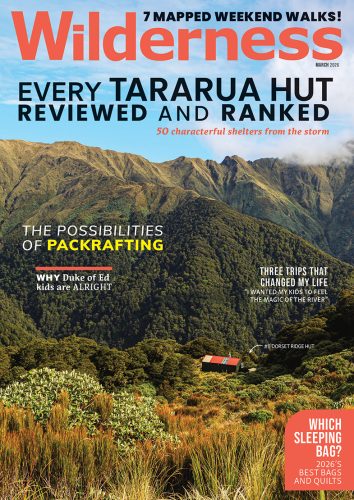
And, a part of that luck resulted from the NZ Forest Service combating a potential disaster when a booming deer population in the 1970s led to a hut-building boom by the service. The huts were for deer cullers, and the result is a network of backcountry accommodation that is unique to New Zealand.
In this issue, out of more than 900 huts that now dot the country we’ve highlighted 25 amazing shelters.
But as we celebrate these huts, a warning. Late last year, cash-strapped DOC (when has it ever not been cash-strapped?) proposed charging up to $57/night to use a basic hut or bivvy (neither of which currently incur any fee), and to increase the fees of standard huts and campsites. The proposal document states the suggested price hikes are a response to the minister of conservation’s priority to ‘generate more revenue and recalibrate costs’.
My view is that sometimes it’s worth forgoing a bit of revenue for the greater good. We all know the benefits to our mental and physical wellbeing that a good walk in the bush provides. For a nation of trampers, a large part of this benefit is the shelter that backcountry huts provide, the social interactions that occur within them and the affordability of such experiences. You can’t put dollar figures on the ‘feel-good’ factor of a weekend in the wild.
There’s another reason DOC should think twice before implementing further price hikes or introducing new charges. As well as being a resource that enables people of all ages to experience New Zealand’s incredible natural wonders safely, backcountry huts are part of our heritage and culture and as such are something to be treasured.
Our huts – their designs, locations and affordability – are uniquely Kiwi. They are one of the factors that sets this country apart and makes us who we are.
So how about giving the revenue-generating a rest for a bit, eh?
The 2026 Wilderness Outdoor Photographer of the Year competition
Dirt bike trial on Tongariro Northern Circuit gets approval
A majestic coastal walk
Knockin’ on heaven’s door
Subscribe!
Each issue of Wilderness celebrates Aotearoa’s great outdoors — written and photographed with care, not algorithms.Subscribe and help keep our wild stories alive.