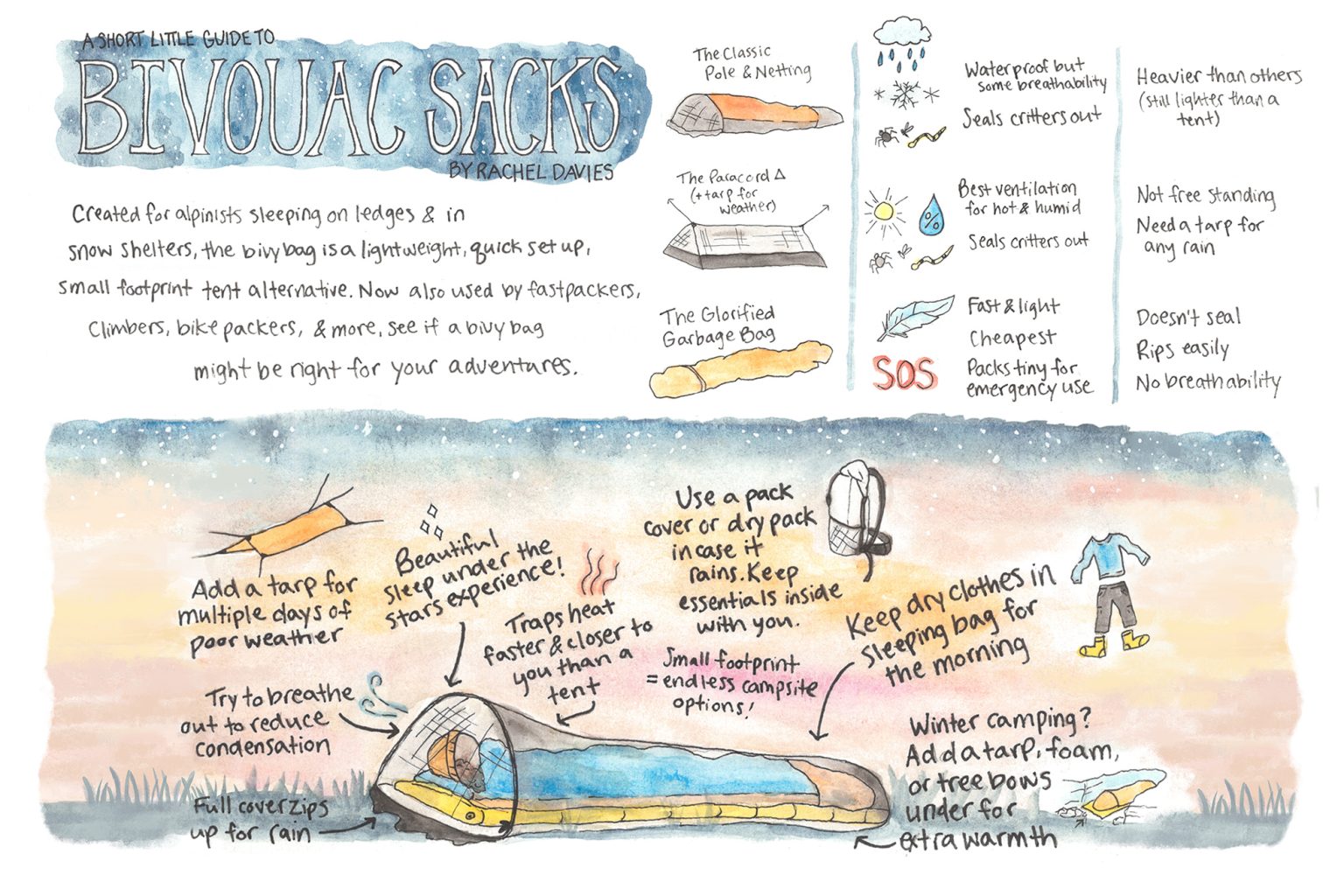
Created for alpinists sleeping on ledges and in snow shelters, the bivy bag is a lightweight, quick setup, small footprint tent alternative. Now also used by fastpackers, climber, bike packers, and more, see if buying might be right for your adventures.
1. The classic pole and netting Pros: Waterproof but some breathability, seals critters out Cons: Heavier than others (still lighter than a tent)
2. The paracord triangle (+ tarp for weather) Pros: Best ventilation for hot and humid, seals critters out Cons: Not freestanding, need a tarp for any rain
3. The glorified garbage bag Pros: Fast and light, cheapest, packs tiny for emergency use Cons: Doesn’t seal, rips easily, no breathability
When using a bivy bag:
Add a tarp for multiple days of poor weather
Try to breathe out to reduce condensation
Full cover zips up for rain
Beautiful sleep under the stars experience!
Traps heat faster and closer to you than a tent
Use a pack cover or dry pack in case it rains. Keep essentials inside with you
Small footprint = endless campsite options!
Keep dry clothes and sleeping bag for the morning
Winter camping? Add a tarp, foam, or tree bows under for extra warmth
The 2026 Wilderness Outdoor Photographer of the Year competition
Tongariro Northern Circuit huts no longer first-in, first-served during winter
25 huts to visit in 2025
A lofty location for Brass Monkey
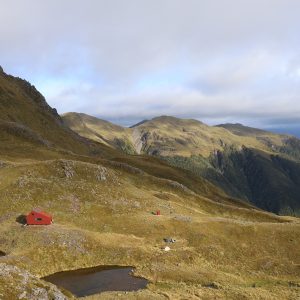
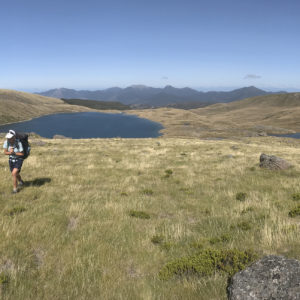
Iron Lake, Kahurangi National Park
Subscribe!
Each issue of Wilderness celebrates Aotearoa’s great outdoors — written and photographed with care, not algorithms.Subscribe and help keep our wild stories alive.