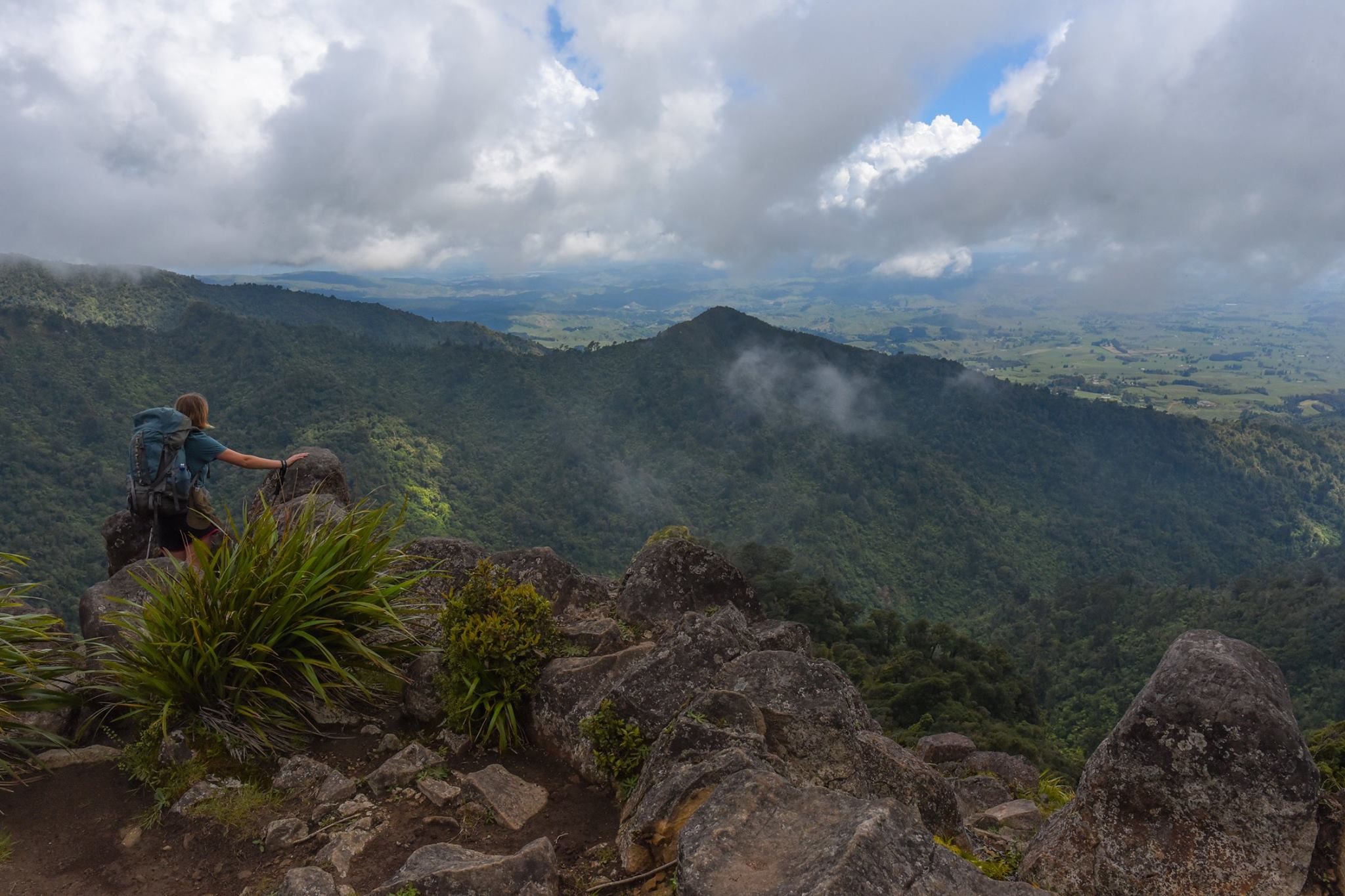
I received an interesting letter this month from a reader who walked the Te Araroa Trail over two summers. Jude was writing in response to the story published in October called ‘A trail of two halves’. In that story, the author recounted how many thru-hikers on the TA skipped large sections of the North Island because of the seemingly endless road sections and copious amounts of mud.
Jude says she loved both the North Island and South Island sections but also admitted to having an issue with the amount of mud and road walking she had to endure.
Because there’s much less conservation estate in the North Island than there is in the South Island, there are more road walking sections there. I can understand that. But why are so many of the upper North Island sections of the trail becoming synonymous with mud?
According to the TA Trust’s Mark Weatherall, the mud people complain about the most is in Raetea Forest in Northland. Weatherall says the trust is working with DOC to improve the trail there. Another section of trail in Puketi Forest, also in Northland, has been upgraded over the winter in an effort to reduce mud issues.
But it’s not just these two forests. Matthew, our deputy editor, recently walked the section of the TA that climbs Tamahunga in Omaha Forest near Matakana. He found it so muddy as to be nearly impossible to walk. Mud had oozed out of the many steps leading to the summit so that they were all but hollowed out.
Our correspondent, Jude, suggested the TA needs some form of permanent funding and this got me thinking. According to the TA Trust, the average through-walker spends between $7000 and $10,000 during their time on the trail. The trust says 1100 people thru-walked the TA last season – that’s a minimum of $7.7m pumped into the economy. I’d say that’s a pretty good argument for DOC to increase spending on these particular tracks. And don’t forget, it’s not just TA walkers affected: when these trails degrade to the extent they become a running joke, it deters locals and others, like the 1.5 million Aucklanders who are just an hour away and who have had much of their day-hike-and-longer stomping grounds in the Waitakere Ranges closed due to kauri dieback disease.
One more thing before I sign off – congratulations to all the winners in the 2019 Wilderness Reader’s Choice Awards and thanks to all our readers who participated in the lengthy nominating and voting process – we couldn’t do the awards without you and I know the retailers and brands really appreciate it!
Each issue of Wilderness celebrates Aotearoa’s great outdoors — written and photographed with care, not algorithms. This Christmas, subscribe or gift a subscription and help keep our wild stories alive. It’s the perfect way to connect with friends and whānau who love the outdoors as much as you do.