There’s often debate about whether tourism opportunities on the West Coast can replace the many good-paying jobs that have been lost in the extractive industries over the years.
Perhaps the Paparoa Track Great Walk will provide a definitive answer.
As we discover in our story, ‘More than just a track’, opportunities abound for those catering to the visitors who will go there to experience the new Great Walk.
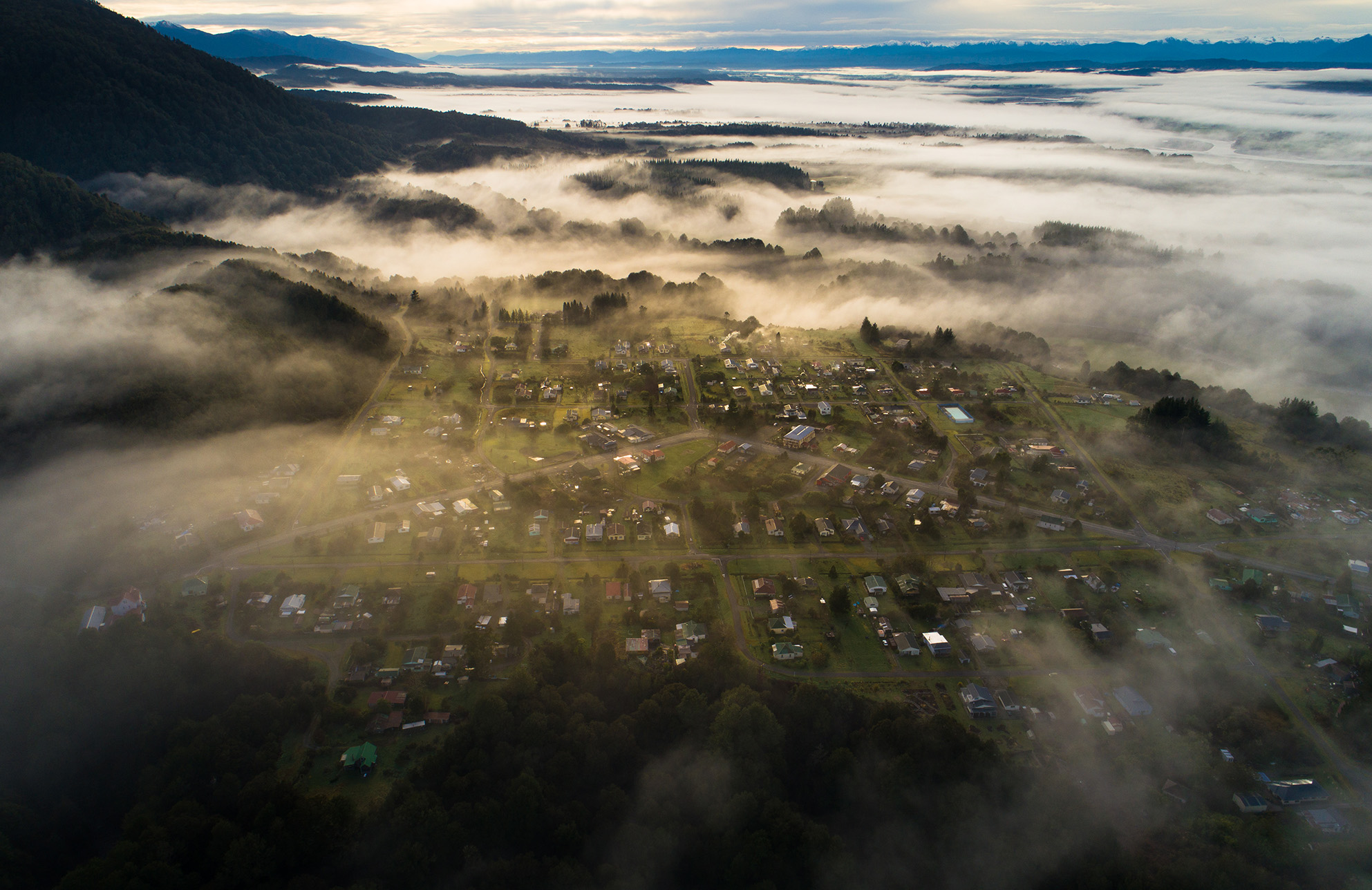
Punakaiki and Blackball, the two towns that bookend the track, are experiencing a kind of renaissance. People are moving to Blackball to open cafés and transport businesses. More people are visiting the towns, supporting existing businesses and strengthening the viability of these new enterprises. Accommodation providers are expanding their footprint to provide for more campers and motorhomes.
Some people may never accept tourism will replace good coal mining jobs. For one thing, the pay is undoubtedly lower in the service industries. But if the Paparoa Track proves enduringly successful, it seems improbable that there will be a return to wholesale coal mining.
One reason for that is because a resurgence of coal mining – and the burning of coal – would consign tourism operators and the small communities they live in to death by climate change. Just look at the devastation one extreme weather event caused in Fiordland in early February when one metre of rain fell in 60 hours. The result was widespread damage and the closure of 75 tracks, including the Milford and Routeburn Great Walks. The Paparoa Track itself has been partially closed since before it officially opened due to weather-related slips.
I used to see the harm of such track closures solely in terms of our ability to get outside and enjoy the natural environment. But in the era of climate change, there’s increasingly a human element too – and it’s something I suspect those on the West Coast can sympathise with more than most. Closures of high-profile tracks like the Great Walks will become increasingly common as the effects of a changing climate worsen. People’s livelihoods will be threatened when they cannot guide, transport, accommodate, clothe and feed the people who would otherwise have walked these tracks and explored the regions.
That’s why I see hope in Punakaiki and Blackball. The more businesses that come to rely on the natural world for their existence and the more jobs they can provide, the better chance there will be to stave off the worst effects of climate change.
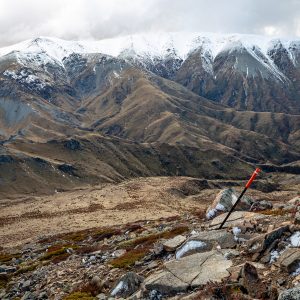
Mt Somers via Te Kiekie Route, Hakatere Conservation Park
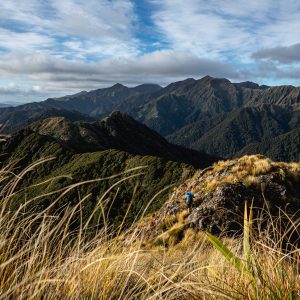
The Tararua’s forgotten traverse
Subscribe!
Each issue of Wilderness celebrates Aotearoa’s great outdoors — written and photographed with care, not algorithms.Subscribe and help keep our wild stories alive.