Despite predator control being permitted, he says there has been an established precedent to avoid on-the-ground predator control in wilderness areas.
He says any project in a wilderness area should have involved a public process.
ZIP says it has been consulting with users of the valley to reduce the impacts of the research, but Federated Mountain Clubs was never told about the work, and DOC and ZIP have since apologised.
“Why on earth didn’t they run it by FMC, who have always been the main proponents of wilderness areas and their management?,” Molloy says.
FMC president Peter Wilson says he is deeply disappointed that it wasn’t consulted.
“To me, the establishment of wilderness areas is FMC’s biggest success story,” Wilson says.
“These are cherished areas, designed for self-reliant recreation. It’s something we campaigned to get established for a long time.
“My concern is these things can snowball. Are there other programmes going on in other wilderness areas? We just don’t know.”
But he believes predator control is necessary and is resigned to the project continuing.
“We have to think of the long-term of wilderness areas. If we don’t do anything they will be deserts for native species, with possum-stripped trees and no kea or whio.”
Tramper James Thornton found out about the ZIP project after he saw a job advertisement for the project. He regularly tramps in wilderness areas and says they offer an experience you can’t get anywhere else – he doesn’t even take a GPS with him in order to preserve this experience.
“It’s important we retain areas where people can meet nature on its terms,” Thornton says. “A track, even a very rough one, fundamentally alters the character of an area.
“For me, travelling through rough country that has no tracks or huts allows for a deeper connection with the landscape. To make your way through such country you have to be in tune with your surroundings. It’s this immersion which I don’t get when travelling through tracked country.”
He says he has come across pest control tracks and traps in other wilderness areas before, including in the Glaisnock, Olivine and Hooker/Landsborough.
“I am very conflicted, because I also think what ZIP is doing is fantastic. I just think these wilderness areas are so special, and relatively small, surely these operations which involve tracks and huts could be done elsewhere.”
But ZIP strategy and systems director Joseph Arand believes the impacts are justified.
“I hear and acknowledge those concerns – I value that wilderness experience, too,” Arand says. “But, if in 10 years time we’ve removed possums, maybe even rats, and made a good start on removing stoats, and if that’s then rolled out throughout the Alps and negates the need for landscape-scale 1080, to me that’s an outcome that’s worthwhile.
“At that point, potentially there would be hardly any evidence of trails. I can’t guarantee that will be the case, but it’s something that’s worth giving a go.”
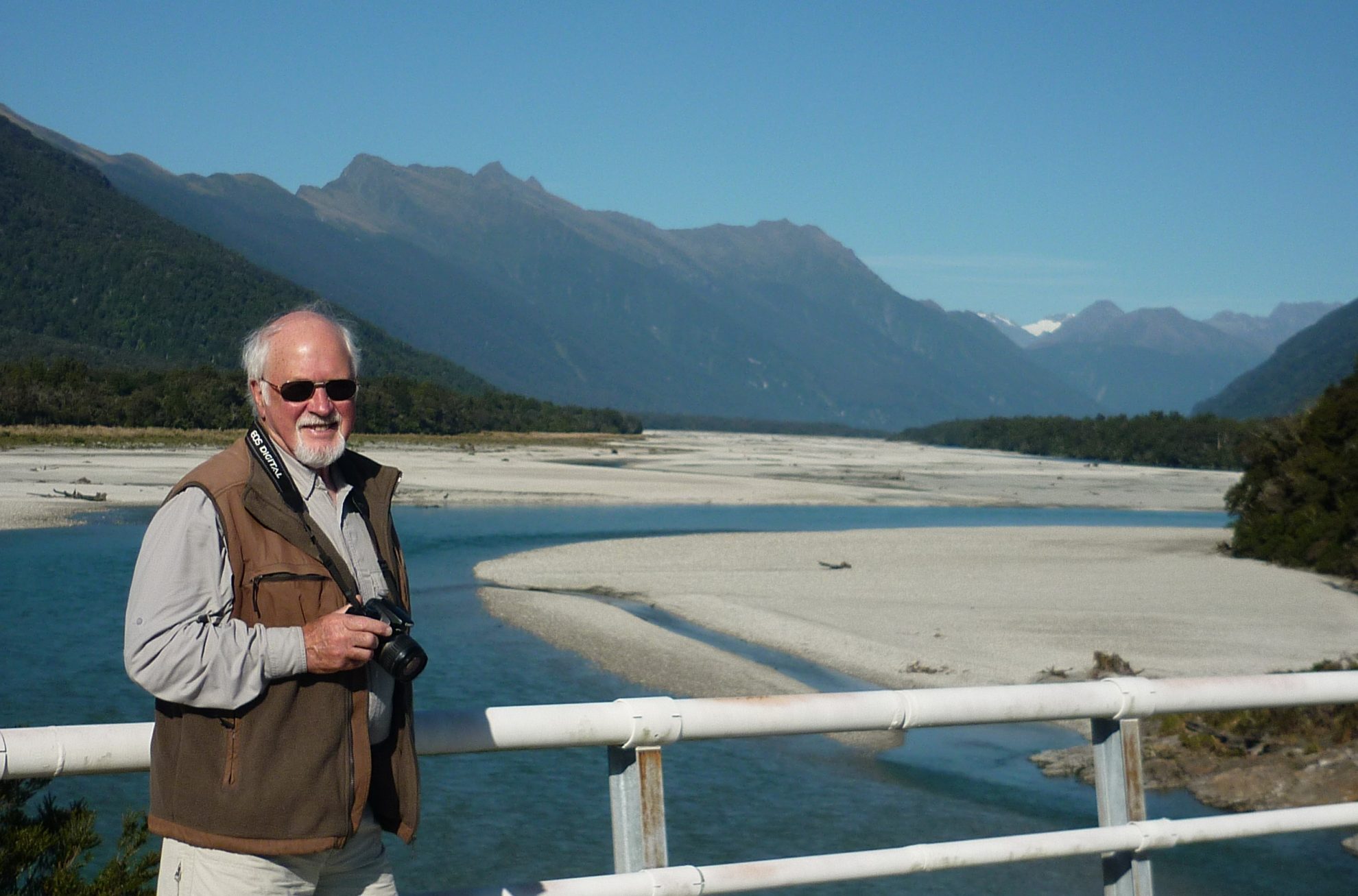
DOC Western South Island operations manager Mark Davies says the Perth Valley was the most suitable area for the project as it had Alps and rivers that would limit the re-invasion of possums, high ecological values and was the option preferred by local iwi. He says the site would also minimise impacts on recreational users and was also relatively accessible to researchers. The research project is contingent on the impacts being minimal and is expected to finish at the end of next year, but could continue for longer.