A wonder drug

May 2011

Read more from

May 2011

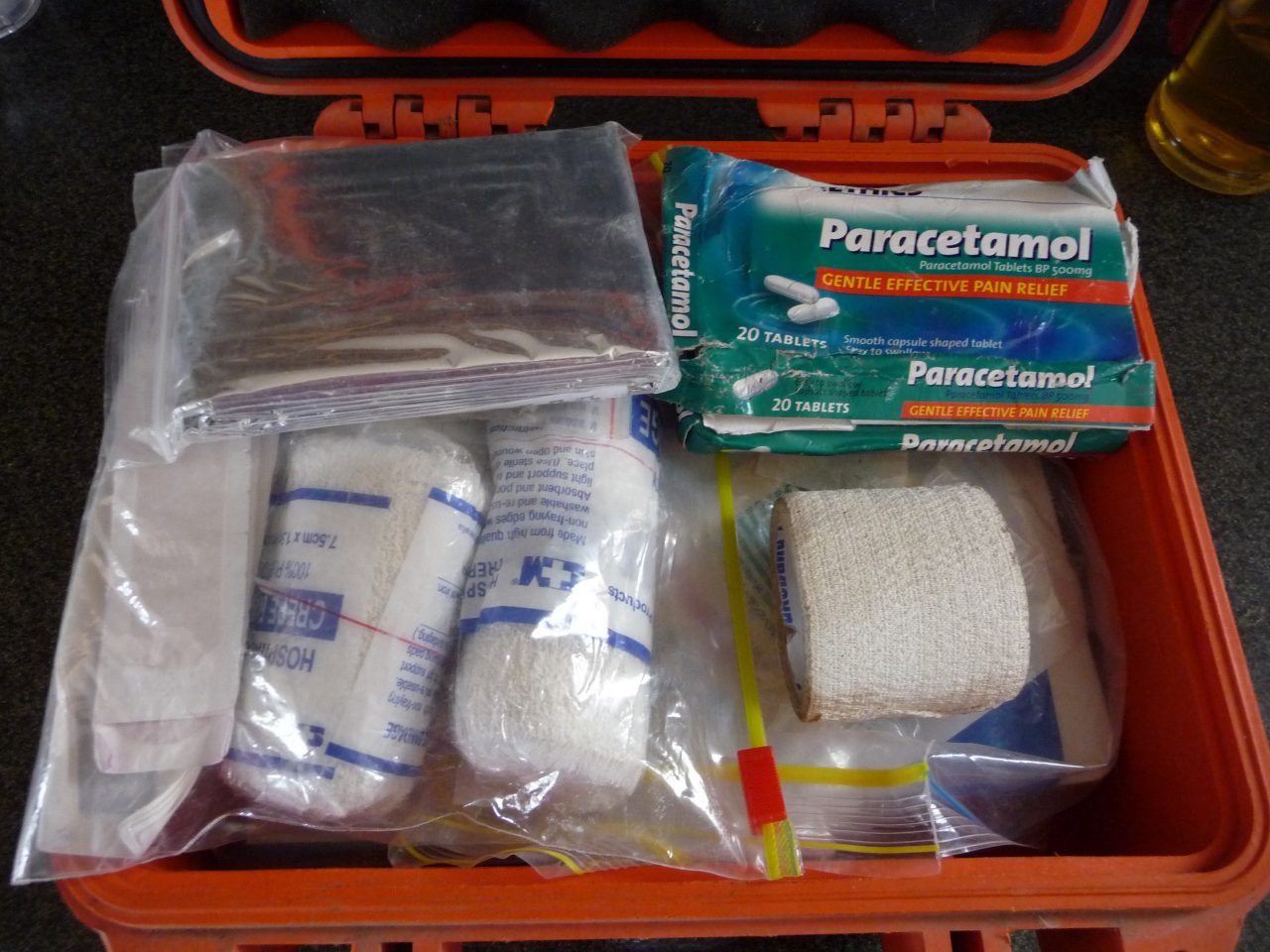
First aid kit equipped and ready to go. Photo: Henry Worsp

It is almost second nature to us to stock paracetamol in our first aid kits and to administer it freely for any painful ailment that might influence our quality of existence. But how much do we really know about the drug and its uses?

Paracetamol is an abbreviation of the para-acetylaminophenol and was first used on patients in 1887. After being cast aside for many years in favour of different drugs, paracetamol was first marketed in the United States in 1953 where it was branded most successfully by the name Tylenol or in this country Panadol.

There is some confusion about how the drug actually functions but it seems to work something like this: when we hurt ourselves or have some medical condition that causes pain, our body produces messenger molecules called prostaglandins. These sensitise our nerve endings so we become more aware of the cause of the discomfort – presumably so we protect the area to reduce further harm. Paracetamol reduces the production of these chemicals in our brain and spinal cord, thus reducing the amount of pain we experience.

It is also an antipyretic, meaning it is useful to reduce fevers by affecting part of our brain called the hypothalamus which is responsible for controlling our body temperature. However, paracetamol has little or no anti-inflammatory properties.

When taken at the correct dosage, it is a safe drug the body can process well, meaning it has little impact on vital organs such as the stomach or liver. Many people believe that because a large dose of paracetamol can damage the liver that long term use can do the same. This is incorrect. On the contrary, some studies have shown that ongoing use of paracetamol may reduce hardening of the arteries and therefore lower the risk of heart attacks.

It is interesting to note that in accident and medical centres staff often treat patients initially with a dose of paracetamol while they are waiting for a more thorough assessment. I always believed that this drug was reasonably ineffective on any substantial pain but it appears to be a professionally widely used analgesic for fractures, burns, and other soft tissue injuries. The first affects of the analgesia will be felt after about 11 minutes.

The application for us in the wilderness therefore is that this is a great ingredient for our first aid kits. While it won’t entirely relieve severe pain, it will lessen it to a more comfortable level. Anti-Inflammatory drugs such as Ibuprofen can be much harder on the stomach, intestines and the heart. If the patient has no previous negative reaction to those then they can be used in conjunction with paracetamol. This provides significant pain relief especially if we are likely to be with a patient for a long time before help arrives.

If our patient has a major injury or illness that is likely to result in surgery and help is not too far away (less than an hour) then it is best to hold off on administering paracetamol as this may affect the timing of the surgery.

As I sit here writing this covered in grazes and bruises from yet another mountain biking misadventure, I am happy in the knowledge that the paracetamol coursing through my veins is taking the top 10-20 per cent of my pain away. Hallelujah.

– Henry Worsp

About the author

Ashleigh Martin

More From Wild Safety

Related Topics

Similar Articles

On the scent of the lost and missing

Why getting lost in the bush might actually be good for you

‘I think you should turn around’

Trending Now

Kãnuka Loop Track, Bendigo Historic Reserve

What’s the big attraction of the Old Ghost Road?

‘The hut my dad built’

Cascade Hut, Kaimanawa Forest Park

High country gold

Subscribe!
Each issue of Wilderness celebrates Aotearoa’s great outdoors — written and photographed with care, not algorithms. This Christmas, subscribe or gift a subscription and help keep our wild stories alive. It’s the perfect way to connect with friends and whānau who love the outdoors as much as you do.
Join Wilderness. You'll see more, do more and live more.

Already a subscriber?  to keep reading. Or…

34 years of inspiring New Zealanders to explore the outdoors. Don’t miss out — subscribe today.

Your subscriber-only benefits:

All this for as little as $6.75/month.

1

free articles left this month.

Already a subscriber? Login Now