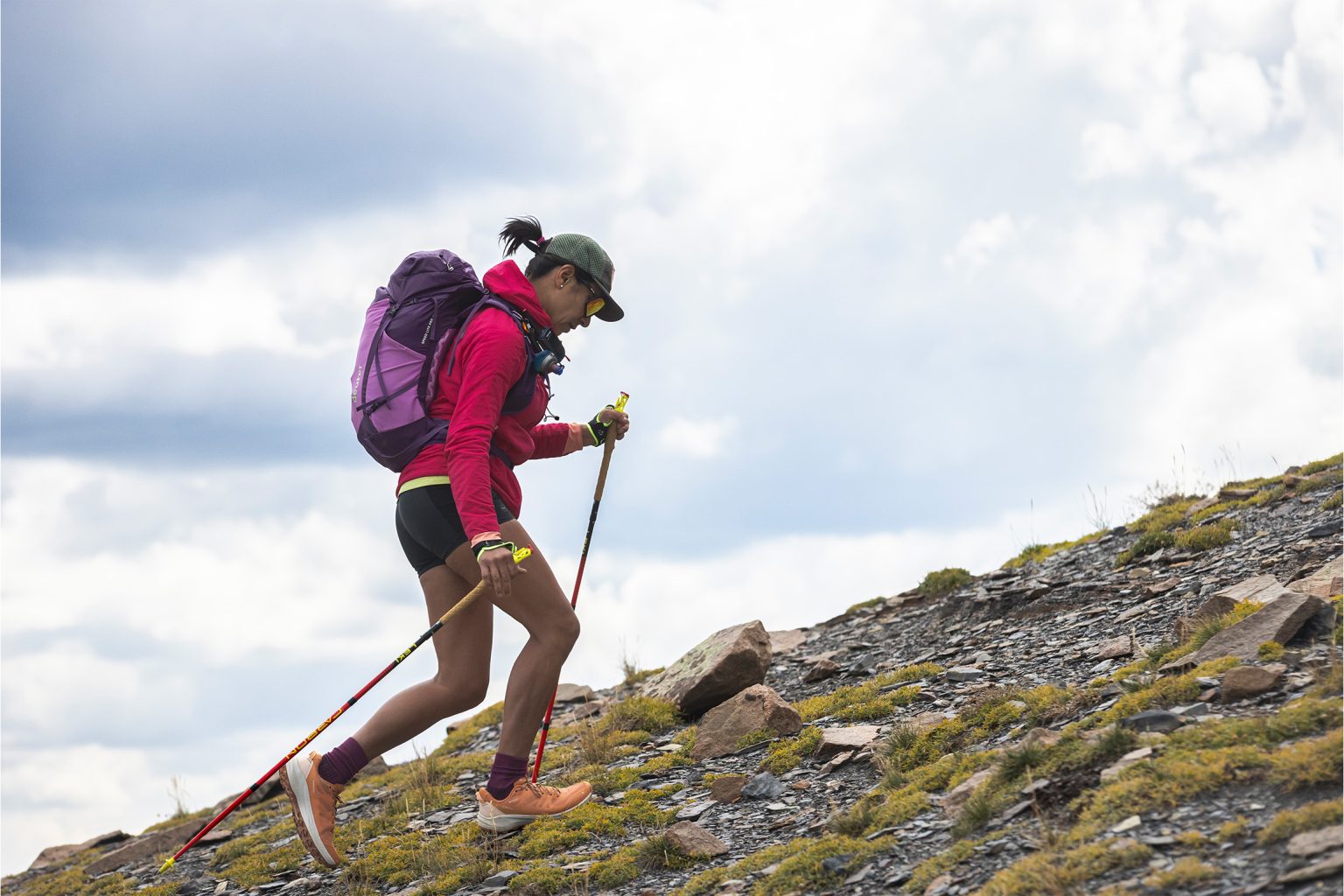
Tramping in lighter footwear, such as trail running shoes, can come at a cost. Such shoes will be short-lived, and foot health and performance will likely suffer. Oboz claims its Katabatic LT is the solution.
Few of the lightest, most agile footwear found in any outdoor store’s trail running section are built for the rigours of tramping. For fast, big-distance trampers carrying packs – which could be you – light trail running shoes also tend to break down more quickly than tramping-specific shoes, making a greater environmental impact.
This is where Oboz’s latest shoe, the Katabatic LT, comes in. This shoe, in low and mid styles for men and women, as well as a waterproof option thanks to the latest in Gore-Tex technology, sits between a traditional hiking shoe and a lightweight trail runner.
“The Katabatic LT is comparable to trail running footwear in weight and breathability, but is designed and engineered specifically for hiking,” says Jean Guney from Oboz.
“Our third-party lab testing shows significant improvements in stability and comfort when we test our Katabatic products against traditional trail runners. We believe that over long days those miles add up to protect feet and body more than a product not engineered for a traditional heel-strike gait.”
Wilderness talked to Guney about the pros and cons of using hiking shoes versus trail runners.
Why is a hiking shoe better than a trail runner for foot health?
When designing outdoor performance footwear, we believe focusing on end-use needs – what the individual will be doing and what type of environment the footwear will be used in – is of the utmost importance. Trail runners are sought after because they are light and breathable, which can lead to trade-offs in overall stability, protection and durability.
Hiking shoes provide greater support, stability and protection. They also offer better cushioning with thicker impact-absorbing midsoles that reduce stress on joints, and hey provide structured arch support, which can benefit those with foot conditions like plantar fasciitis. There are also biomechanical differences between walking or running – hiking shoes are specifically engineered to accommodate a walking gait on variable terrain.
What makes the Oboz Katabatic LT a versatile shoe for technical terrain?
It’s because of its unique balance of lightweight agility and underfoot protection. It features our ACTenergy midsole, a resilient EVA compound that provides cushioning and energy return for enhanced comfort and rebound. A rockplate sits between the midsole and outsole to provide torsional stability and underfoot protection while maintaining an agile ride. The Trail Tread h/d outsole features multi-directional 5mm lugs that offer excellent grip on rocky and loose surfaces, enhancing control on steep ascents and descents. A reinforced toe cap and abrasion-resistant upper protects against debris, while the breathable mesh construction keeps feet cool. With this secure fit and responsive design, the Katabatic LT excels on fast-paced hikes, making it ideal for dynamic movement on technical trails.
The LT is exceptionally light. How is this achieved?
Our goal for the LT was to make it more breathable and to reduce the weight by about 20 per cent when compared to previous shoes in the Katabatic collection. We partnered with Gore-Tex to use its Invisible Fit waterproof technology, which is directly bonded to the lining, significantly reducing the amount of layers between the foot and the environment. This reduces weight and improves breathability without sacrificing durability and protection. The LT is only 30g heavier than the average trail runner but has a higher degree of durability, support and protection.
There are three styles in the Katabatic LT range
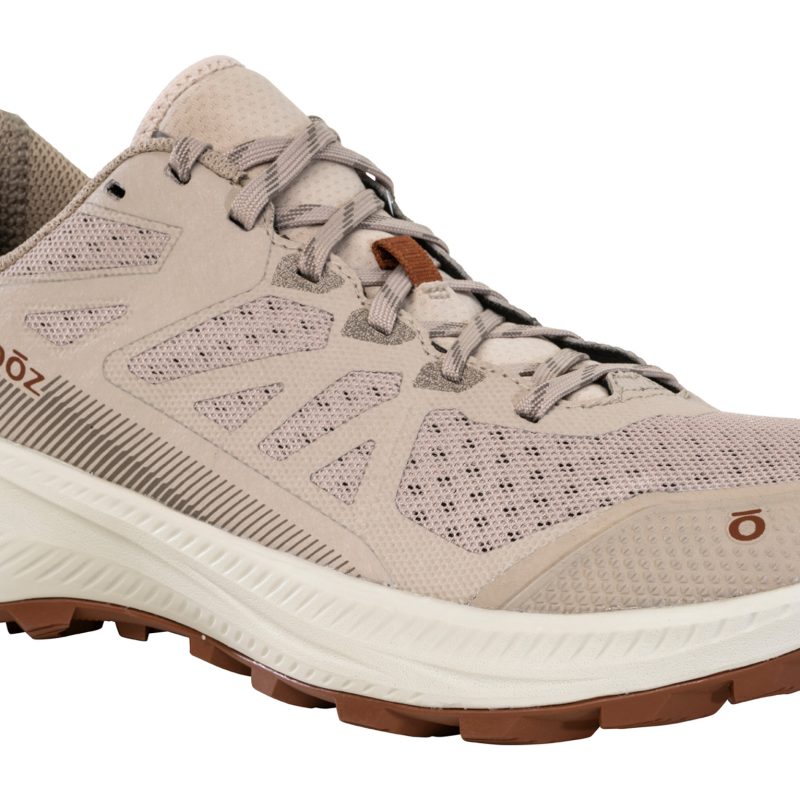
Katabatic LT Low $259, 332g (m), 281g (w)
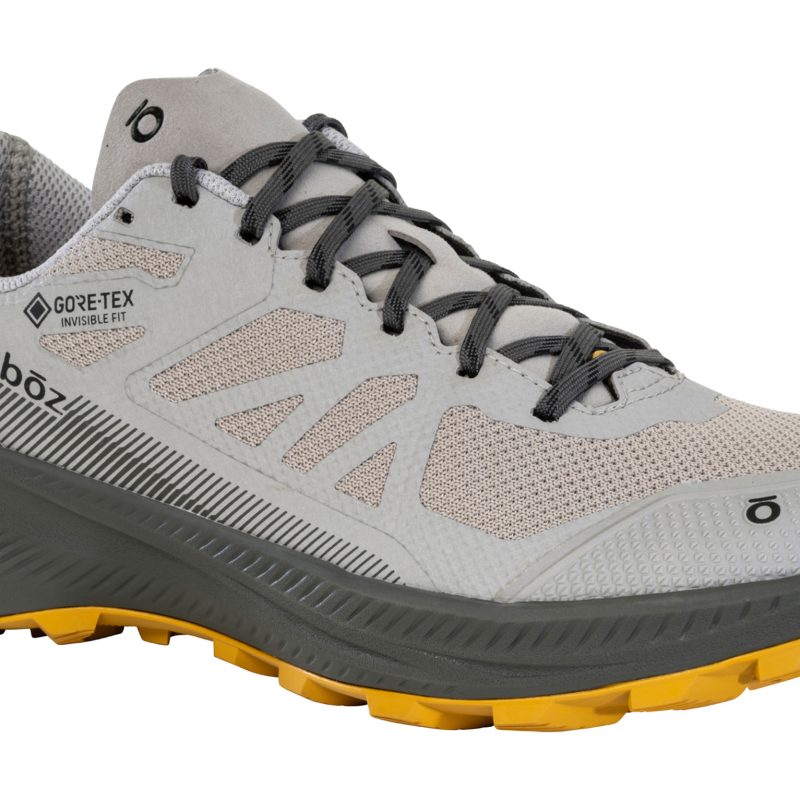
Katabatic Low GTX $299, 335g (m), 292g (w)
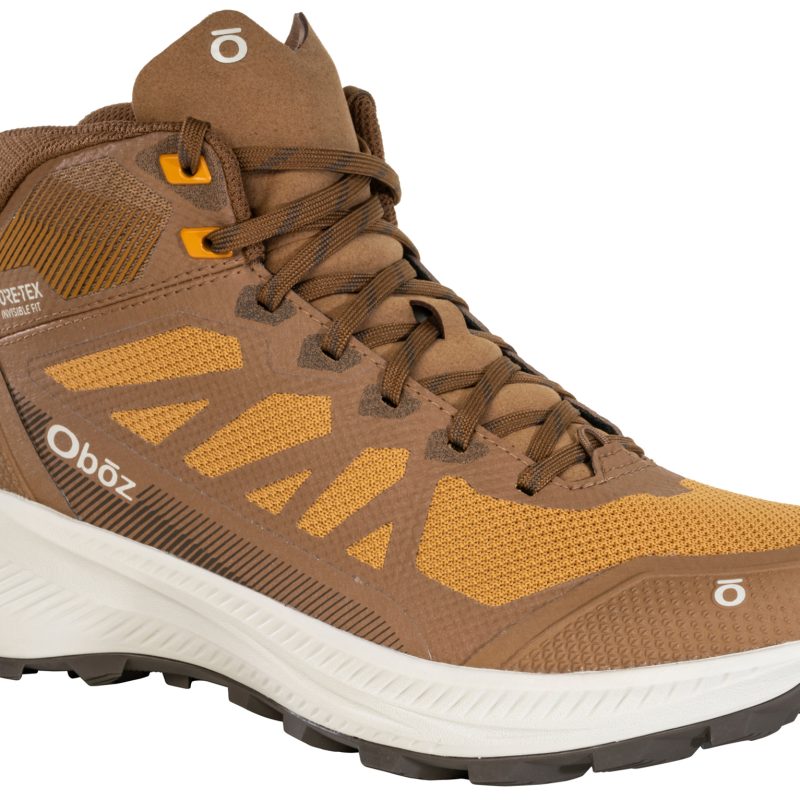
Katabatic LT Mid $329, 363g (m), 315g (w)
Discover the full Katabatic range at your local Kathmandu store or www.obozfootwear.com