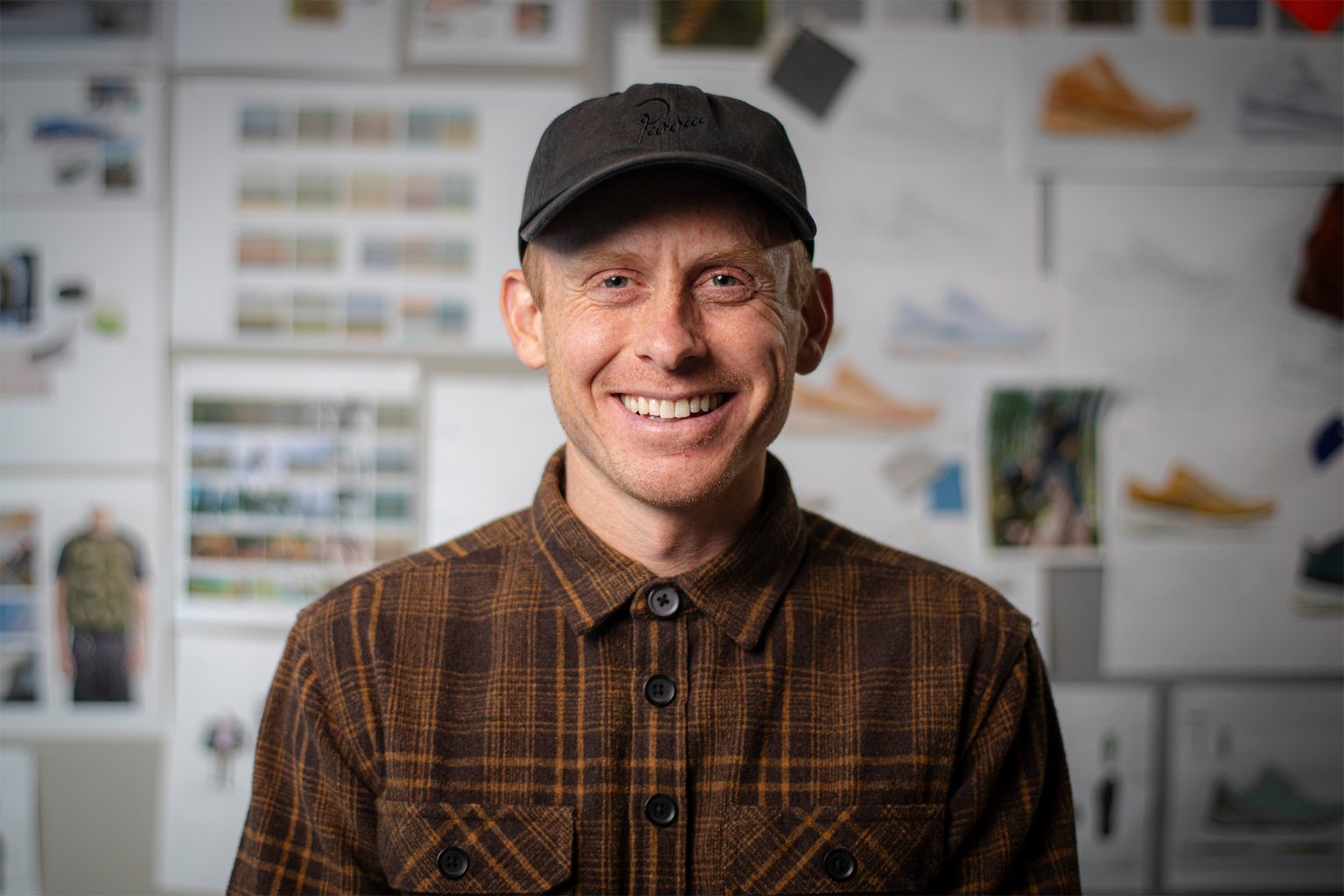
What goes into designing the footwear we rely on for our tramps? Wilderness sat down with designer Otto Stefan from Oboz to learn some of the secrets of the trade.
What’s the secret to building tramping footwear that lasts?
Materials are most important when creating durable footwear. We can design lug shapes and thicknesses and build overlays and reinforcements, but if one material fails then all that design work doesn’t matter. There’s internal and external wear and lab testing for each style so weak points can be adjusted and corrected.
What are the priorities when designing a hiking shoe?
Comfort – fit, essentially – and durability are non-negotiables. Every shoe must hit our standard of fit and longevity first. Different end uses necessitate unique features, but everything is built around comfort and durability.
We all have different feet though – how do you ensure a comfortable fit for everyone?
It’s challenging because it’s so personal. Feet have unique shapes and everyone has preferences on how footwear should feel. Oboz has lasts that provide different types of fit that often correlate with end use. For example, our fast hike footwear is more athletic and sleeker than our roomier rugged category. Materials are also important. We consider how pliable, stretchy and forgiving they are combined with durability. It’s a balancing act to get right.
Is it true that boots need a high ankle and to be stiff and heavy to be supportive?
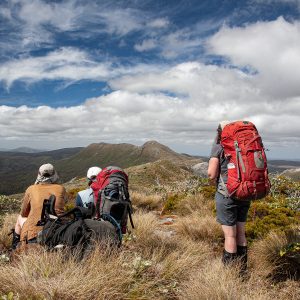
A higher collar and stiffer boot when tramping off-trail carrying a 20kg pack is beneficial, but perceptions around tramping boots can be misleading. The best tramping footwear for you depends on the trail type, distance, pack weight and the part of the world you are tramping in. Experienced trampers with more ankle and foot strength require less supportive boots than a beginner. You can go tramping in anything, but certain footwear will be better suited to your needs and provide a better experience.
What are some of the current trends in outdoor footwear design?
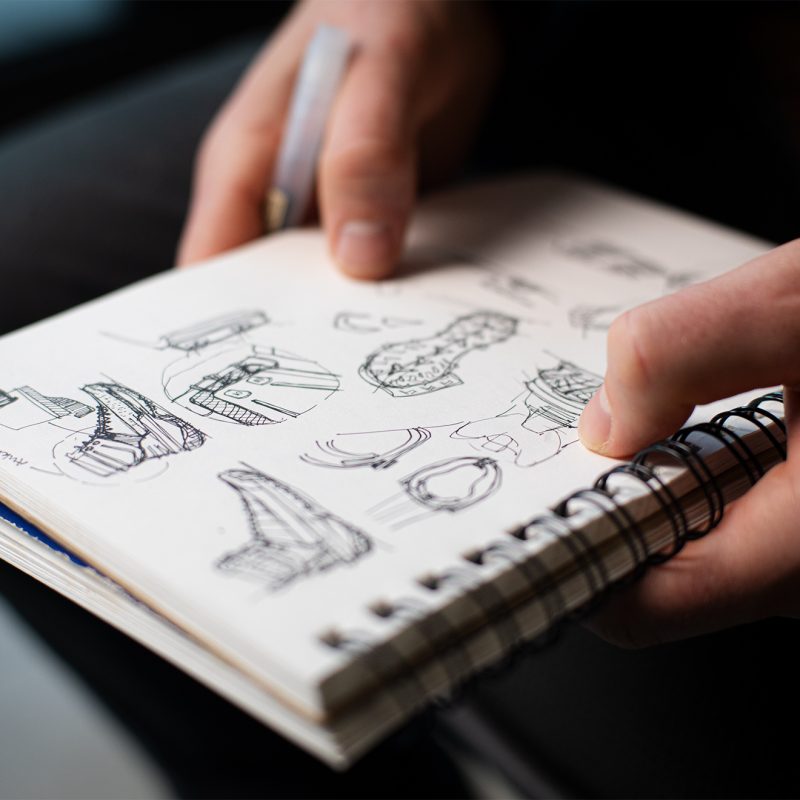
There are crossovers between run, trail run, and hike. People expect out-of-box comfort, light weight and breathable footwear. We look at this through a tramping lens asking, ‘what are people missing when they tramp in a running shoe?’ Often it’s support and durability. Reducing weight and adding ever softer foams results in shoes that don’t last or provide much support. When I designed the Katabatic Wind (Oboz’s most advanced hiking shoe), key elements were borrowed from marathon ‘super shoes’ and were adapted to work for a tramping shoe. By combining supercritical foam with a carbon plate, 4mm lugs with full rubber outsole coverage and an upper with strategically placed reinforcement, we benefitted from running shoe technology without sacrificing durability. If I could buy one pair of shoes that lasts as long as three, I would opt for a slightly heavier shoe with a more supportive midsole and upper.
How will tramping footwear change in the coming years?
It will continue to evolve, utilising materials and technology proven in the athletic world. I also think (and hope) there will be a balance in demand for durability over maximum comfort and minimum weight. The longer your shoe lasts, the longer it’s out of the landfill.
Foams and technology will be adopted and tweaked for outdoor use, improving a shoe’s performance and longevity. A few brands are pioneering re-sole programmes for lightweight synthetic shoes. This used to be reserved for heavy-duty welted boots.
What advice do you have to help someone choose the right footwear?
Visit a trusted shop or outdoor store that has experienced staff. They’ll size your foot on a Brannock device and recommend the best footwear for your foot shape. They will also tell you that a $600 alpine boot is not needed for your local trails.
View the full range of Oboz footwear at www.obozfootwear.com. Below, you can watch Otto’s film on the making of the Katabatic Wind, and which follows his own FKT on a Montana peak.