It takes a village to raise a child and a city community to raise titipounamu chicks.
Councils, community groups and local residents have pitched together to protect two of New Zealand’s tiniest native birds, discovered close to the heart of Wellington City after a 100-year absence.
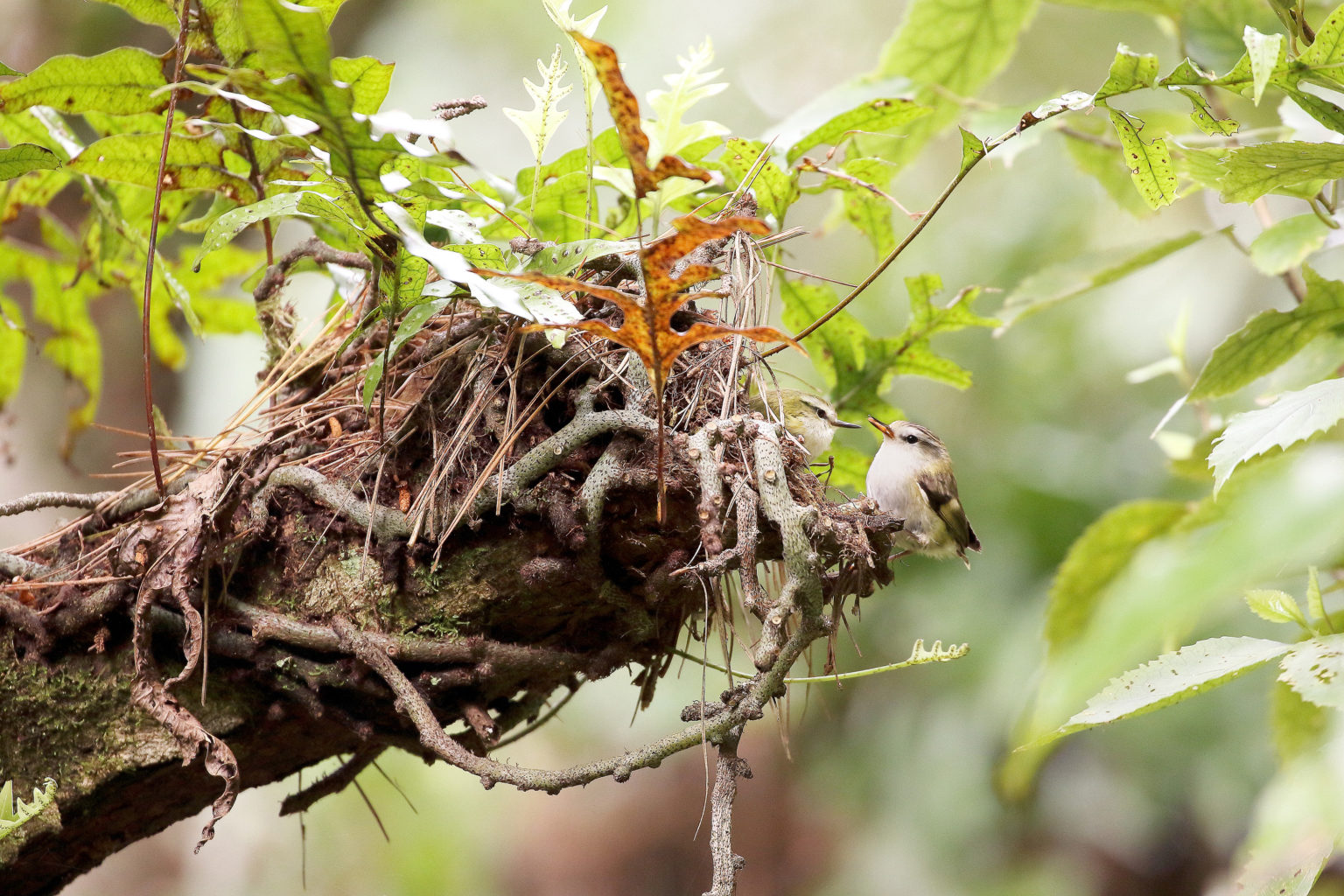
The two titipounamu/riflemen surprised many when they popped up on Te Ahumairangi Hill, just behind Parliament, in August. They have since nested and have raised chicks.
In 2019, 60 titipounamu were translocated from Wainuiomata Mainland Island to Zealandia Ecosanctuary. Last breeding season, they produced more than 100 fledglings. A few were spotted flitting just over the sanctuary fence but titipounamu are not great fliers and as a rule, don’t travel far. Certainly not for several kilometres, across busy roads, through multiple suburbs with only sporadic forest along the way.
Te Ahumairangi Hill is covered in a mix of ageing exotic trees and regenerating native forest. Despite its near CBD location and popularity with walkers and mountain bikers, it’s a biodiversity hotspot, home to obscure, rare species such as a tiny freshwater snail Otamopyrgus oppidanus and ‘back from the brink’ moth, Chersadaula ochrogastraof.
Te Ahumairangi Hill ecological restoration coordinator Brony Shepherd was planting trees one afternoon when she thought she heard the distinctive ‘zip zip’ call of a titipounamu. Shepherd is also a Zealandia volunteer and familiar with the call, which is so high pitched it’s inaudible to many people. At first, she didn’t believe what she heard. Then she spotted the birds. The leg band on the male confirmed that he had travelled from Zealandia. Not bad for a tiny bird weighing around six grams.
It was also approaching nesting season, so protection was a priority. With a network of Wellington City Council and Greater Wellington Regional Council traps already in place, extra traps were supplied to local predator control groups.
Shepherd worked with volunteers from Predator Free Northland and RAMBO (Rats and Mustelids Blitzing Otari) to place a network of Victor and DOC 200 traps in the area where the birds were and where, in September, they built their nest and began incubation. Two rats were subsequently caught just metres from the nest.
‘Dog on lead’ signs were installed and Animal Control dog rangers increased patrols, issuing hefty fines for errant dog owners letting their dogs run free. Word quickly spread and behaviour improved.
A highlight throughout the entire process has been the monitoring and photography of the birds shared by another neighbourhood supporter, illustrator and photographer Melissa Boardman. Author of Birds of Aotearoa: Collective Nouns, Boardman has also worked with titipounamu at Zealandia. Since August, she has spent hours on the hill, discreetly observing the birds and sharing progress reports and photographs.
She says that watching this pair through their stages of bonding, nest building, incubating, feeding nestlings and, in early November, watching five chicks fledge, has been the most rewarding experience she’s ever been involved with.
“Titipounamu are incredibly resilient birds and this pair has shown they can survive outside the safety of the Zealandia predator exclusion fence,” she says. “We are so lucky to have these amazing reserves where we can enjoy the wildlife around us. I feel especially lucky to have been able to witness and share this special story.”