1080 the best option

July 2011

Read more from

July 2011

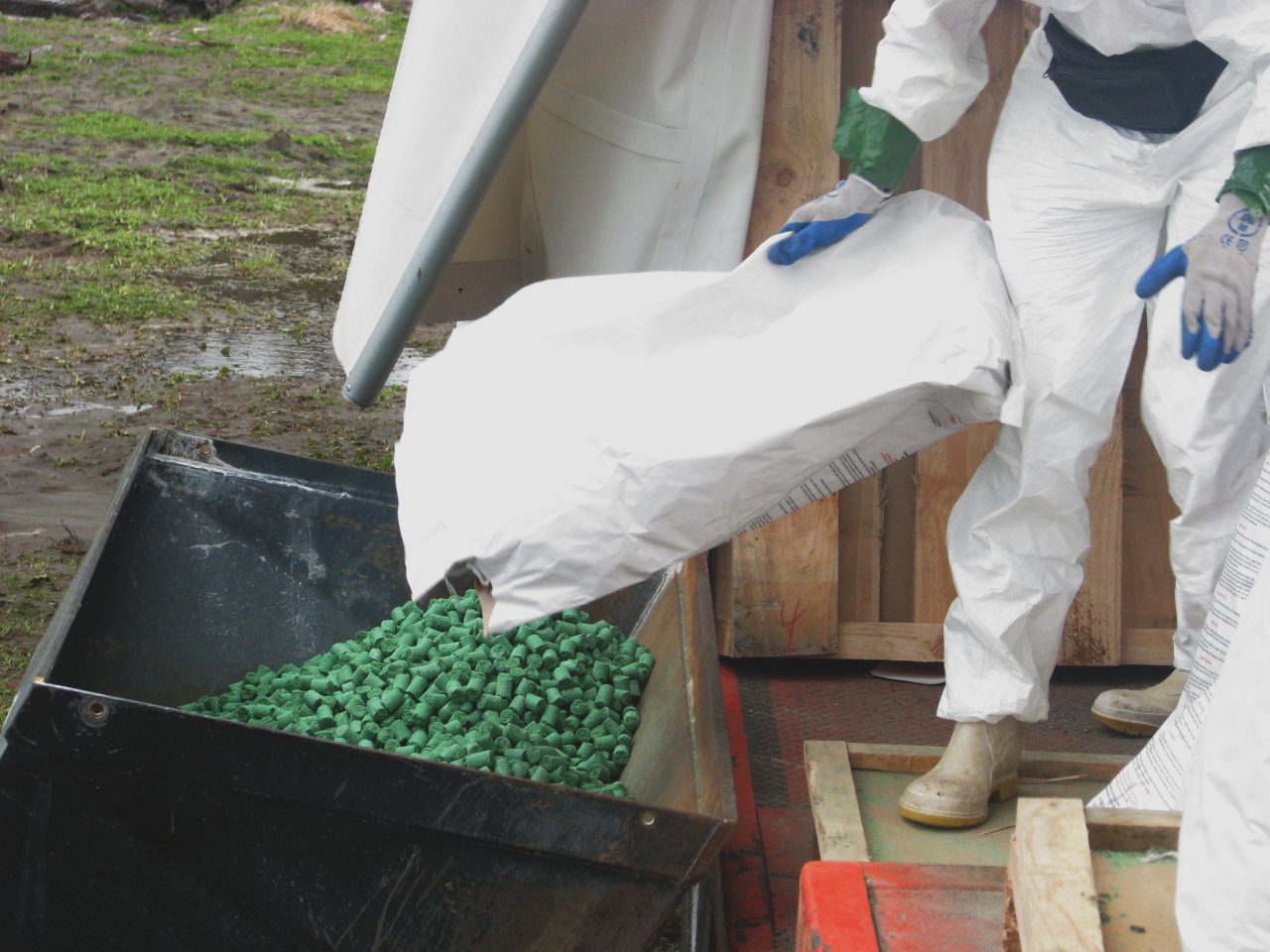
1080 currently the best tool to fight predators.

Anyone who has visited Maungatautari Ecological Island in the Waikato or Karori’s Zealandia Sanctuary will know what it’s like to walk native bush and hear prolific birdsong. It’s a deafening cacophony of beautiful sound that few people get to hear these days thanks to more than a century of predation on native birds by possums, rats and stoats.

Unfortunately, Maungatautari, Zealandia and the many other similar sanctuaries dotted around New Zealand make up just a tiny sliver of the country’s wild lands. They are also fenced – mainland islands created by man to provide a safe haven for vulnerable bird and other species.

It is a sad indictment on the state of our forests when only those areas that are fenced can support the flourishing of native birdlife.

That’s why it was so pleasing to hear Parliamentary Commissioner for the Environment Jan Wright not only vindicate the use of 1080 poison to help control these pests, but to call for greater use of the pesticide.

But unfortunately it will take more than Jan Wright’s report to quell opposition to the use of 1080. Opponents have a few valid concerns and to be honest I agree that dropping tonnes of poison into the conservation estate is far from ideal. Hunters no doubt feel especially hard done by as they are prevented from hunting in areas for months after a 1080 drop.

But the reality is, solid scientific research and investigation has proven that 1080 is far less harmful to the environment and the native species within it than the pests the poison targets (see 1080facts.co.nz for details). This is fact, pure and simple. Where 1080 is used, native birdlife flourishes once more and trees hammered by constant possum browsing flower and thrive as though they were fed some sort of super fertiliser. Surely, temporarily not being able to hunt in a certain area is a small price to pay for such an outcome?

Opponents have also yet to come up with a viable alternative to 1080. Something must be done – we cannot sit on our hands and let the pests have their way. We have to be serious, too. Anyone who suggests trapping or hunting could control pest numbers is either being mischievous or naïve in the extreme. There are millions upon millions of these pests in often extremely remote locations – it would take a vast number of hunters to do lasting harm to their populations.

Short of predator-proof fencing all our national, forest and conservation parks, and removing all pests within the fenced areas, there is currently no realistic alternative to 1080 to control pests. And fencing such large areas is hardly realistic.

1080 is currently the best tool in the box to ensure our native fauna get the helping hand they need to survive.

Alistair Hall

About the author

Alistair Hall

More From Editorial

Related Topics

Similar Articles

Nobody wants to ban kids from reading Wilderness

An incredible trail

AI for trip planning has benefits and flaws

Trending Now

Kãnuka Loop Track, Bendigo Historic Reserve

What’s the big attraction of the Old Ghost Road?

‘The hut my dad built’

Cascade Hut, Kaimanawa Forest Park

High country gold

Subscribe!
Each issue of Wilderness celebrates Aotearoa’s great outdoors — written and photographed with care, not algorithms. This Christmas, subscribe or gift a subscription and help keep our wild stories alive. It’s the perfect way to connect with friends and whānau who love the outdoors as much as you do.

Join Wilderness. You'll see more, do more and live more.

Already a subscriber?  to keep reading. Or…

34 years of inspiring New Zealanders to explore the outdoors. Don’t miss out — subscribe today.

Your subscriber-only benefits:

All this for as little as $6.75/month.

1

free articles left this month.

Already a subscriber? Login Now