Congratulations! You’ve scored that coveted booking on one of New Zealand’s Great Walks. The hard part is over, right? Wrong. Proper preparation is crucial for an epic adventure.
Here’s what some experts say about how to turn those precious bookings into an awe-inspiring journey.
Physical preparation
Preparing physically for a Great Walk doesn’t require a complicated training regimen. Instead, aim for consistent and practical preparation that mirrors what you’ll actually be doing on the track. Lead physio Duncan Grant, from Reignite Physio in Dunedin, suggests building up gradually.
“I believe everyone can walk a Great Walk without doing too much strenuous training,” he says. He encourages people to progress from short distances to longer outings.
The most effective preparation prioritises regular walking, which can be supplemented with targeted strengthening. “If you’re short on time, just do back-to-back walks at the weekend,” Grant advises. One of these walks should include wearing your actual backpack. Load it with 5kg initially and build up to 10–15kg closer to the trip.
For strength training, focus on functional exercises like calf raises (which can be done single-legged or with a backpack for progression), sitting and standing from a low chair, and basic movements like lunges, squats or step-ups performed twice weekly. With a baseline ability to walk for an hour, most people can build their capacity for multi-day hiking within just a couple of months.
Gear selection
Choose robust equipment and test it out first. Every extra item you take equals extra weight, so consider your capacity to carry.
Emily Russell from MD Outdoors in Nelson thinks the foundation of any successful Great Walk starts with a properly fitted pack. “You’re going to need a really comfy pack that’s been fitted for your body,” she says. “It might be okay to borrow your cousin’s one, but the experience will be less enjoyable.” She recommends packs of 40–65 litres, depending on your gear style and food choices, with your sleeping bag typically your bulkiest item.
Ant Murray from Further Faster in Ōtautahi echoes this advice and emphasises the importance of hip belt placement: “Make sure it fits on the hips – your actual hips – not just where you think it needs to go. Often people will set it too high or too low.”
Your feet will make or break your Great Walk experience, and both experts stress the importance of proper fitting. Murray takes a pragmatic approach to the boots-versus-trail-runners debate: “Many people just take a pair of breathable trail-running shoes with good grip. But if you need ankle support, then getting a good-fitting boot is well worth it.” He recommends lightweight options from Italian brands Scarpa, Salewa and La Sportiva. It is important to test your footwear beforehand, too – even lightweight shoes need a brief breaking-in period.
New Zealand’s changeable weather demands smart layering strategies that avoid cotton. “A good merino baselayer controls odour and keeps you warm,” says Russell. She recommends Rab baselayers, which blend synthetic and wool for fast drying. For rain protection, both stores emphasise investing in quality. Russell recommends a jacket with at least 20,000mm hydrostatic head rating; Murray suggests the Montane three-layer Gore-Tex Phase jacket as an option that balances durability with weight.

As well, your food strategy will impact your pack weight and meal satisfaction significantly. Both experts recommend dehydrated ready meals. “They are huge weight and space savers,” Russell explains. She suggests supplementing these with high-protein lunch foods like salami and cheese, rather than trying to pack five nights of fresh dinners.
For cooking equipment, keep it simple. “A lot of Great Walk huts provide gas so you don’t have to worry about carrying a burner,” Murray notes. Always check on the DOC website first, though.
Logistics
Great Walk bookings are precious currency, so treat them accordingly. Print copies of confirmations and store digital copies offline on your phone.
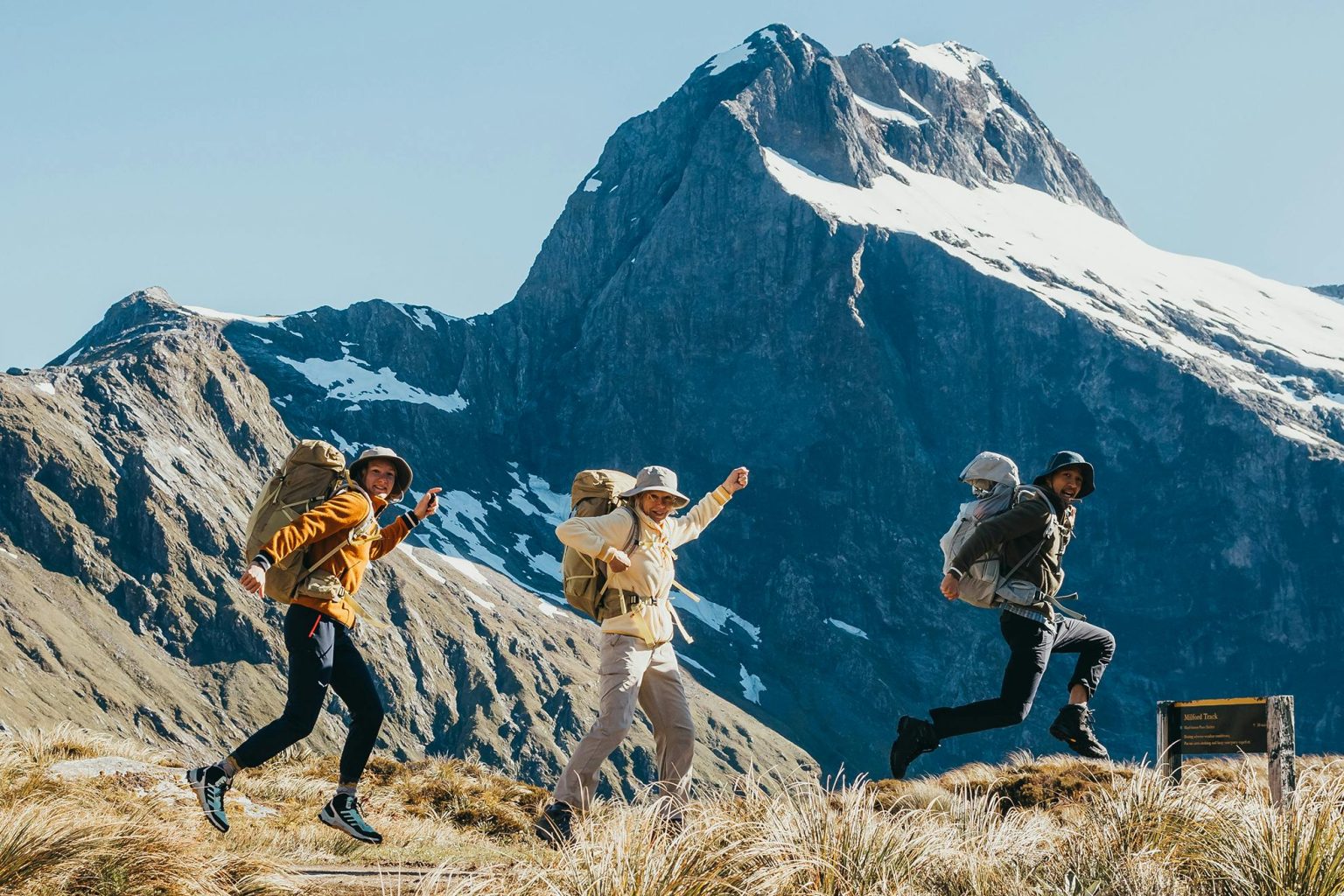
Consider transport logistics early on. Book your shuttles, water taxis or car relocations as soon as you’ve made your DOC booking, especially for the Milford Track where you can’t drive to the start or end of the track. Find out who runs the local transport shuttle and talk to them about how they operate. Most operators run just one trip per day – and only if they have enough bookings to make it viable.

Cycle Journeys director Geoff Gabites offers sound advice: “The key to shuttle success isn’t just booking; it’s understanding exactly what you’re contracting for and communicating when things change.” Know the pick-up protocols: most drivers will wait a maximum of 30 minutes before leaving. Plan for a communication blackout, and plan contingencies in advance. What happens if you’re delayed? Where can you get phone coverage to make a call?
Mike Stone and Kiyomi Sada run the car relocation business Trackhopper. They drive clients’ cars from the Routeburn’s Glenorchy end to The Divide on the Fiordland side (and vice versa) and leave the key in a lock box. Hikers should book at least a month in advance, particularly for popular routes like the Routeburn Shelter to Divide direction, which books out early, along with the always-busy Christmas and New Year periods.
Also bear in mind that if you’re flying (for example to Rakiura Stewart Island, Abel Tasman or the Heaphy), you will likely not be allowed to take gas canisters on the flight, and potentially walking poles too. Research where to stock up on gas once you arrive, and whether your poles will be a problem.

Knowledge is survival
The DOC website remains your best starting point for general knowledge of what you will encounter on your Great Walk. Also worth a look are the resources from the Mountain Safety Council and local visitor centres. These sources provide crucial warnings about weather changeability and highlight which days involve lots of climbing.
The weather is non-negotiable, especially on South Island tracks.
“Anything in the south or west of the South Island can be highly changeable,” says Andy Roberts, standards and visitor safety team manager at DOC. “Even Abel Tasman can get knocked around by the weather when systems move in from the north.” The key lies in understanding forecasts and discussing contingency plans with your walking party.
Regarding water, the safest approach is to treat all water as potentially contaminated, especially away from huts. “There are no treated water supplies across the Great Walks network, so boiling, filtering or using purification tablets is recommended,” says Roberts.
The Great Walks showcase New Zealand’s natural magnificence, but they demand respect. Prepare thoroughly, train appropriately and pack smartly. Your reward? Some of the most spectacular tramping on Earth, and memories that will last a lifetime.