

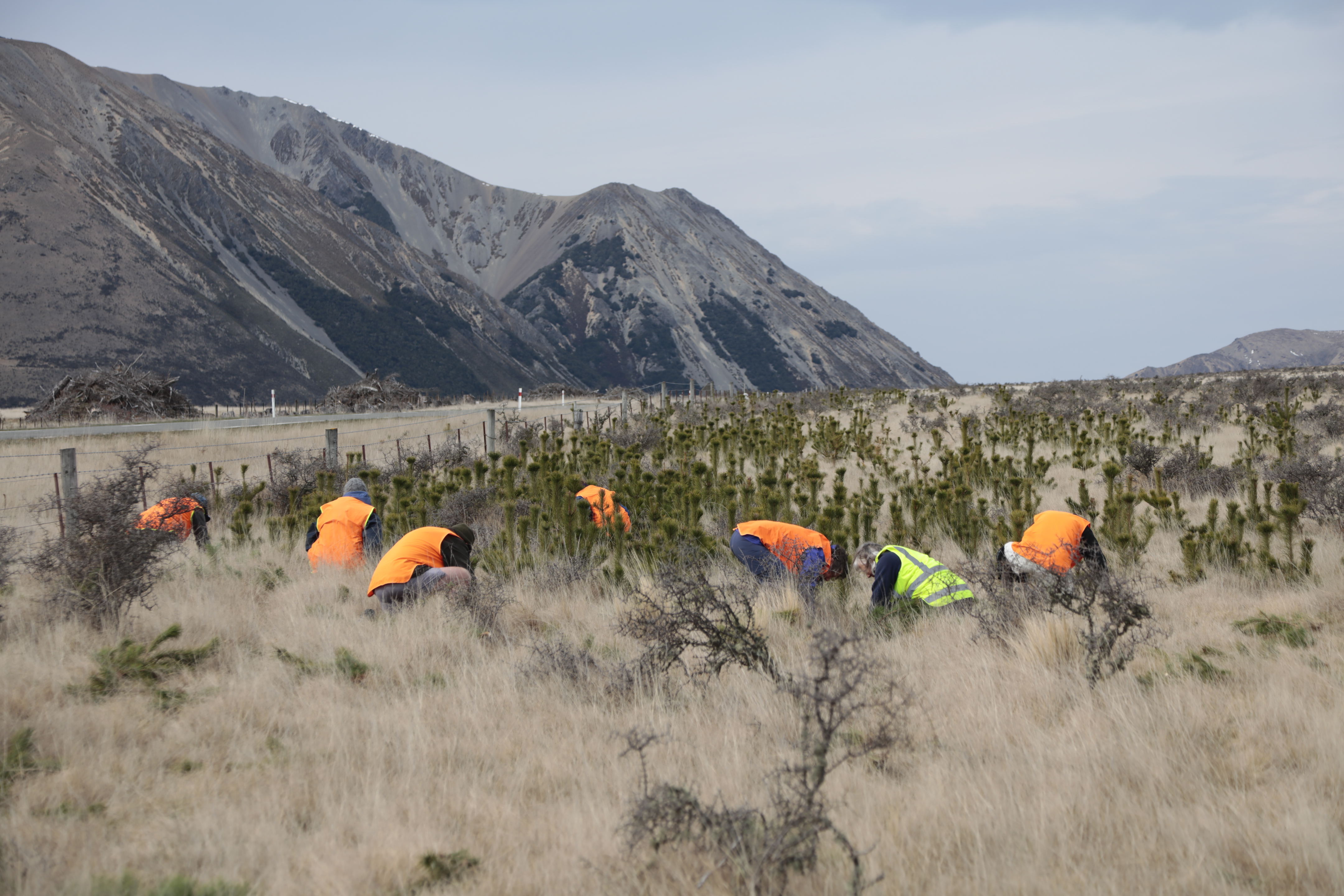
The funding – which has already created much-needed jobs for tourism and hospitality workers – is the largest investment in wilding conifer control to date, and it comes not a moment too soon for conservationists.
“We’ve been asking for that amount of money so it’s awesome to feel listened to and to know there has been recognition of the severity of the issue,” Sprague says.
“We won’t be able to do everything, but we will definitely be able to do a lot of work.”
For many, the work has already begun, and some conservation groups are already seeing the light at the end of the tunnel after hard-fought campaigns.
As chair of the Waimakariri Ecological and Landscape Restoration Alliance (WELRA), Ray Goldring has been fighting wildings in the Flock Hill and Craigieburn area for over a decade.
“If we didn’t start when we did, there are huge iconic landscapes throughout the area, like the Castle Hill and Flock Hill Rocks, that would be covered by a 4-5m tall forest by now,” he says.
WELRA was formed in 2008 by an agglomeration of proactive locals keen to prevent more of their landscape from being devoured by invasive greenery.
The alliance secured funding from the New Zealand Lottery Fund, DOC and others, and developed a long term plan to remove wildings and prevent their return.
It’s a shining example of what can be done with effort and financial backing, Goldring says.
The programme implemented three phases, beginning with the removal of seed source trees.
The second – and still ongoing – phase tackles the second wave of wilding saplings which sprout five to seven years after the seeds have taken to ground.
“It’s like the saying; a stitch in time saves nine – if you get in early before the trees start seeding, it saves many more trees as a result,” Goldring says.
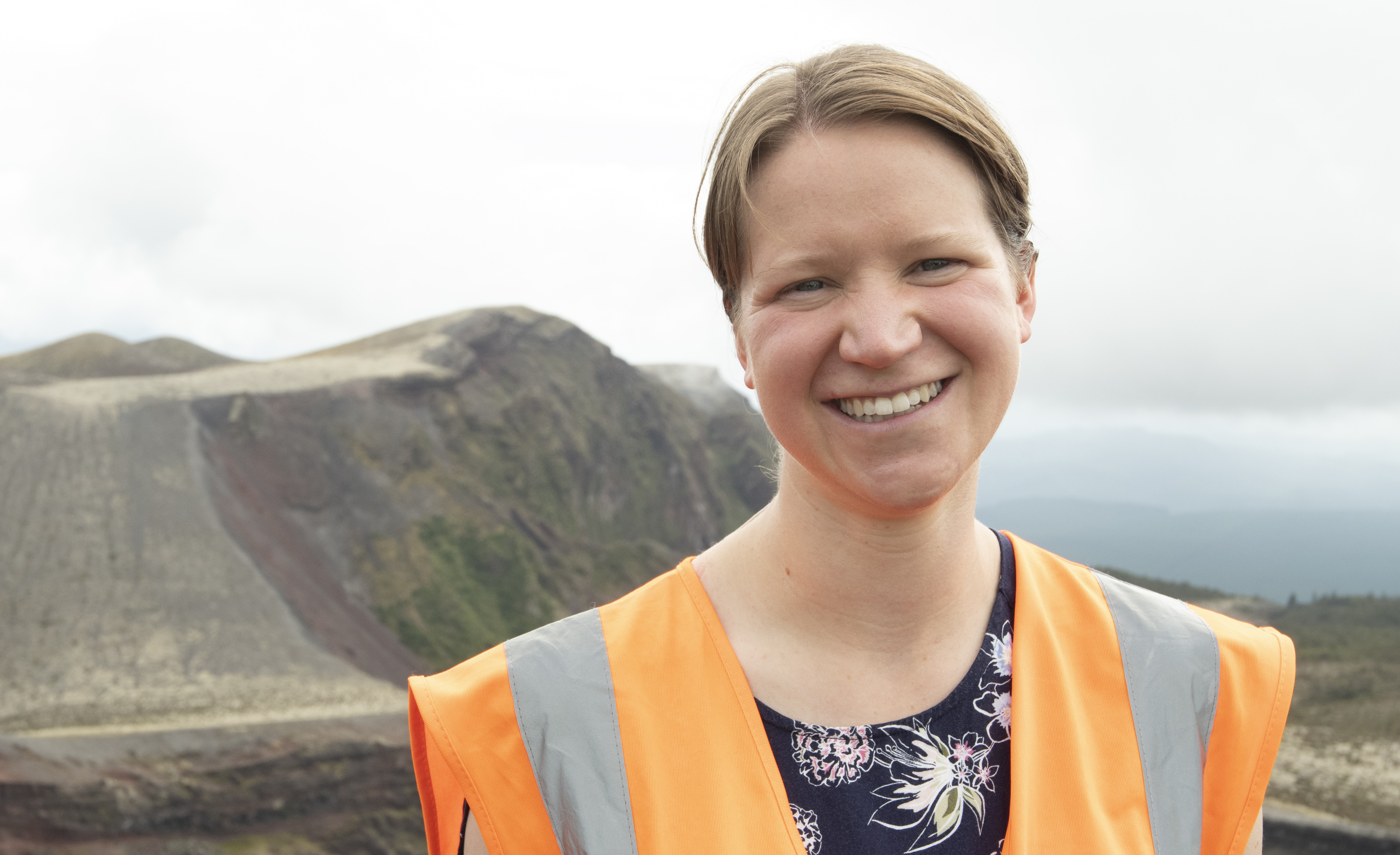
The third and hopefully final phase will pick up any straggler trees missed, and ongoing observations will keep on top of the problem.
It’s a long game, but the consequences of doing nothing are ‘beyond imagination’, Goldring says.
“It just spreads – the seeds from pinus contorta can travel 10-15km away from the seed source.”
Thankfully, WELRA isn’t alone in its mission to wipe out wildlings.
“A number of the [Castle Hill] villagers are taking saws with them when they are tramping or mountain biking, and if they see one, they’ll stop and cut it down – it’s becoming more of a regular occasion,” Goldring says.
School, tertiary and community groups are also lending a hand, as well as local tramping clubs which commit to a number of days and volunteers each year.
“I direct them to the areas where they can do wilding control, and Environment Canterbury funds their travel, and gives a donation to the clubs,” Goldring says.
Bishopdale Tramping Club has provided WELRA with eager hands since 2014.
“We do a lot of tramping in the Craigieburn area, and we were horrified at what the wildings were doing to the landscape,” club member Chris Snook says.
The 80-strong club – which walks together every Wednesday – began coordinated wilding weeding days with Goldring, concentrating their efforts on specific patches of growth.
“[Goldring] will give us an area, and we will organise up to 20 people to go up on a weekday, and we will just go for it,” Snook says.
It’s a satisfying job for members, and the conservation effort extends to their time on the trail.
“You can get most out with a pocket knife if they’re not too big, so whenever we’re tramping, we’re always looking out,” he says.
Snook is thrilled to see the post-Covid influx of workers weeding the Craigieburn, newly employed under the government’s recovery scheme.
“It’s brilliant – it’s exactly the sort of work we’ve been doing for years,” he said.
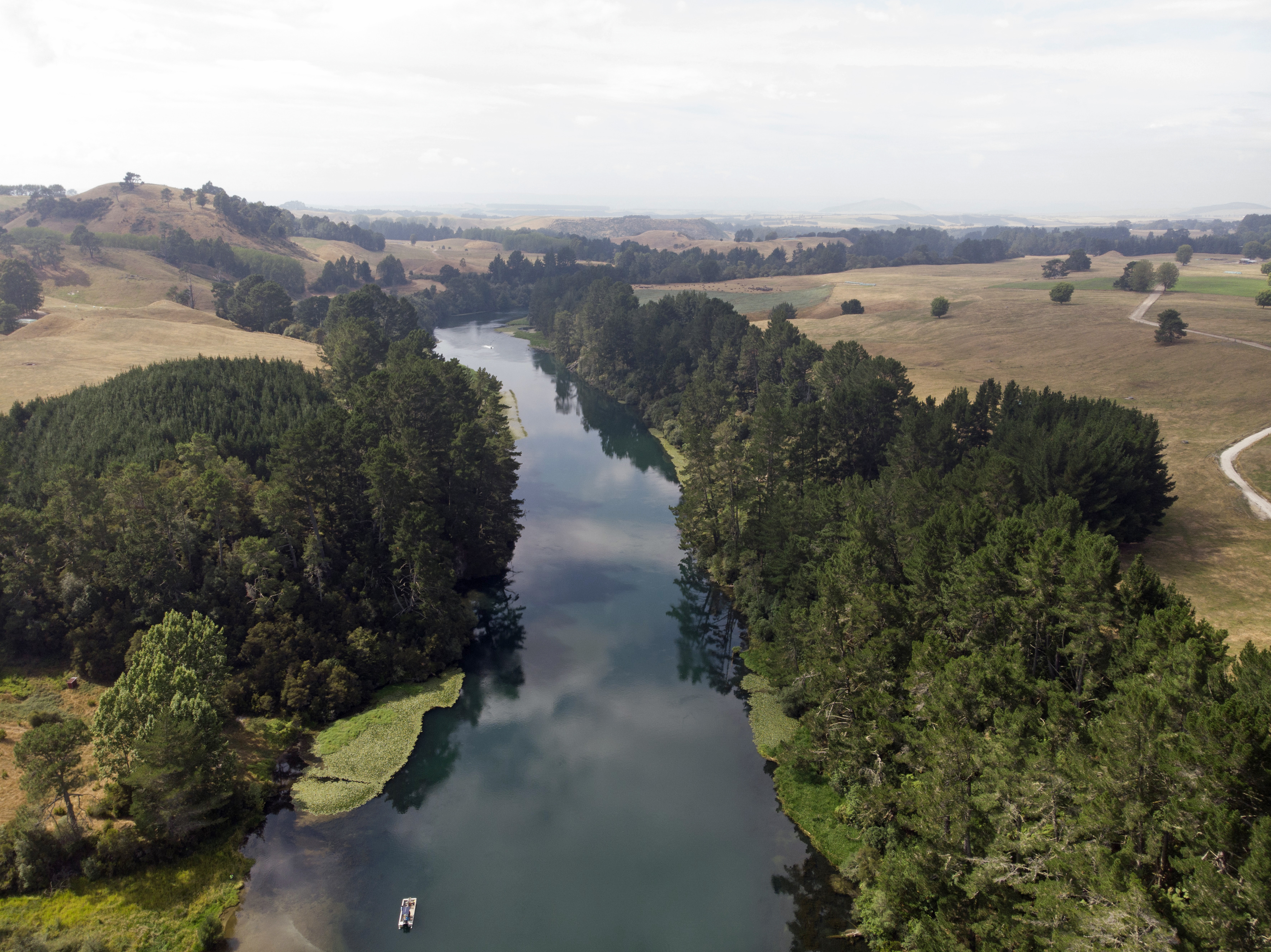
Ngati Tahu-Ngati Whaoa Runanga Trust has also been working towards wilding eradication within their rohe (iwi boundary) for years – joining the fight in 2013.
The trust protects a stretch of land east of Taupō, including the Orakei Korako geothermal area, Paeroa Range and a segment of the Waikato River, north of Huka Falls.
Wilding conifers are a threat to the area’s geothermal waahi tapu (sacred sites), says the trust’s environmental manager Evelyn Forrest.
“The Ngati Tahu-Ngati Whaoa rohe is rich with our history and resources, and wilding conifers pose a threat to them all – waterways, geothermal features and native bush, of which we have very little left within our rohe,” she says.
“Wildings are able to thrive in such harsh environments, whereas most natives are slow growing – especially around geothermal sites.
“The biggest threat is that they can topple over, and take a geothermal feature with them.”
Wilding clusters growing on the banks of the Waikato River are also problematic, as they can topple into the river and cause sediment buildup and erosion.
The trust has teamed up with Waikato Regional Council and DOC to tackle the problem.
“Rather than recreating the wheel, we’re working with partners that will bring knowledge and experience to the table to help us manage the issue,” Forrest says.
“It’s good that more people are becoming aware of the magnitude of issues that wilding pines create, and how they will get out of control if we don’t start now.”
How to remove a wilding
Rowan Sprague of the NZ Wilding Conifer Group explains the best way for trampers to deal with rogue wildings in the backcountry.



