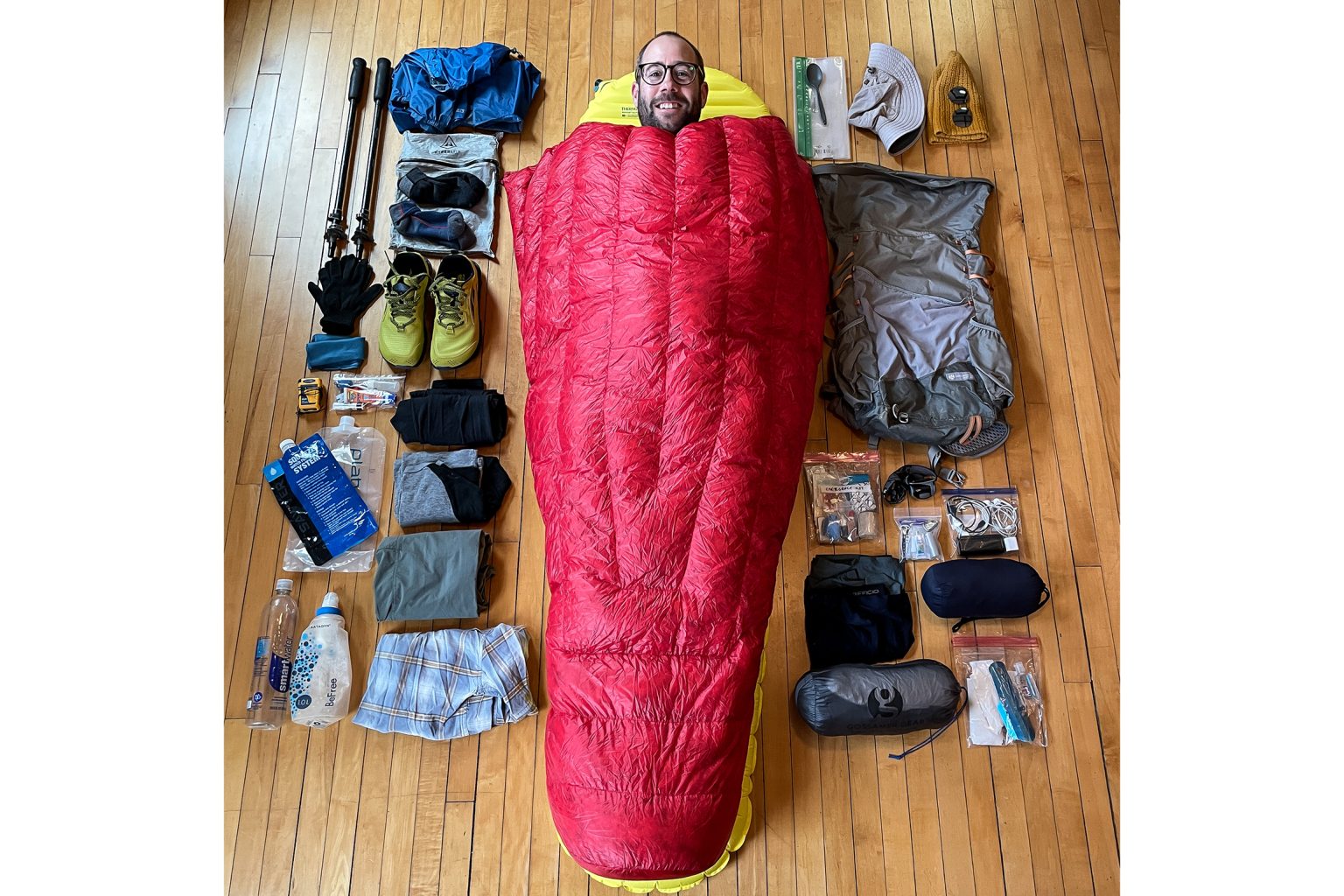
Any internet search for ‘ultralight tramping’ will throw up hundreds of packlists, how-to guides, hot takes and gear shakedowns from experts with packs the size of a thimble. But unless they were blessed with an inheritance, most of these influencers didn’t switch to ultralight overnight. They did it over time by upgrading their kit, one piece at a time.
The ultralight state of mind
The first ’swap’ to make is mindset. Ultralight is a philosophy that values carrying only what you need and minimising anything extra.
Start by making a list of the items you pack for a standard trip. Check if any of those items are rarely or never used. Chances are you will be able to drop your base weight by removing items that don’t serve any purpose.
Now check if any items are duplicated or exceed your needs. Clothes are a big one here. Use a ’two-outfit’ strategy: one set for walking and one set for the hut or tent. These should cover 95 per cent of three-season conditions. If you need extra warmth while hiking, don the raincoat you already have. It makes a nice wind shell, holds in heat and saves packing an additional layer.
Finally, are you bringing two items that do the same thing? Remove one. The more items you bring that pull double-duty, the lighter your pack. My pack’s backrest doubles as a sit pad, giving me a comfy seat at no additional weight.
Now that you’ve removed some excess weight (for free!), look at what’s left on your list. These are your core items to target.
Swapping the heaviest items first will net the biggest weight savings. If your gear list is like most, the heaviest items are the ‘big three’ – sleep system, tent and pack. These are our first swap targets.
Swap 1: Pack
It might not be the heaviest thing on your list, but I recommend starting with your pack. This was my first swap and it was a game-changer. Using a smaller, lighter pack taught me to live with less and perfect the ultralight mindset.
Ultralight packs have a simple design to keep weight to a minimum; frameless packs are the lightest. Aim for 1kg or less. Don’t exceed the maximum recommended carry weight, however, otherwise the pack may be uncomfortable.
Swap 2: Tent
Although it’s possible to sleep only in huts, if you’re looking to go ultralight for Te Araroa, for example, you’ll need a light tent. Those that pitch with trekking poles are a good option as it means your poles now have a second purpose.
If you don’t use hiking poles, look for a tent that pitches with a single pole or is made of lightweight fabrics.
A thin sheet of plastic makes a cheap, light and surprisingly durable footprint. I’ve used the same piece of plastic for 100+ nights.
Swap 3: Sleep system
Your sleep system – sleeping bag, pad and pillow – makes up the last of your big three. A sleeping bag swap will make the most difference. Consider switching to a quilt to save both weight and space. My 0℃-rated quilt is the sweet spot between weight and warmth for most three-season conditions.
If you’re already using an inflatable or foam mat, chances are there won’t be big weight savings by upgrading this piece of kit.
I find my quilt’s stuff sack makes a comfortable pillow with my puffer jacket inside. Since these are items I’m already taking, it doesn’t add to my base weight.
Swap 4: Shoes
Switch to trail runners: they dry quickly, can weigh as little as 500g and are more breathable in warm or wet conditions than rigid boots. Technically, this won’t reduce base weight, but it will reduce weight with every step. Studies have shown that weight carried on the feet can have up to five times as much impact on energy expenditure as the weight in your pack.
Swap 5: Stove
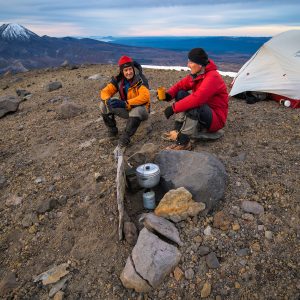
I’ve saved my most controversial one for last. Go stoveless. You remove the weight of a pot, stove and fuel. All you need for your camp kitchen is a bowl and a spork.
I pack muesli for breakfast, graze on wraps, bars and snacks during the day and make my own cold-soaked meals to rehydrate for dinner. If you use a lightweight titanium mug or bowl, you can be opportunistic with a wood-burning stove or a campfire to warm up food.
Where not to consider weight
Go ultralight, not underprepared. Of course, it is never wise to take less food, water or fuel than you need to survive. Never sacrifice safety to save weight. At a minimum, I always take my PLB, a first aid kit and an emergency blanket. If forecast conditions warrant more gear for safety, don’t skimp.