A wrap of the biggest stories and best writing about the outdoors from New Zealand and around the world.
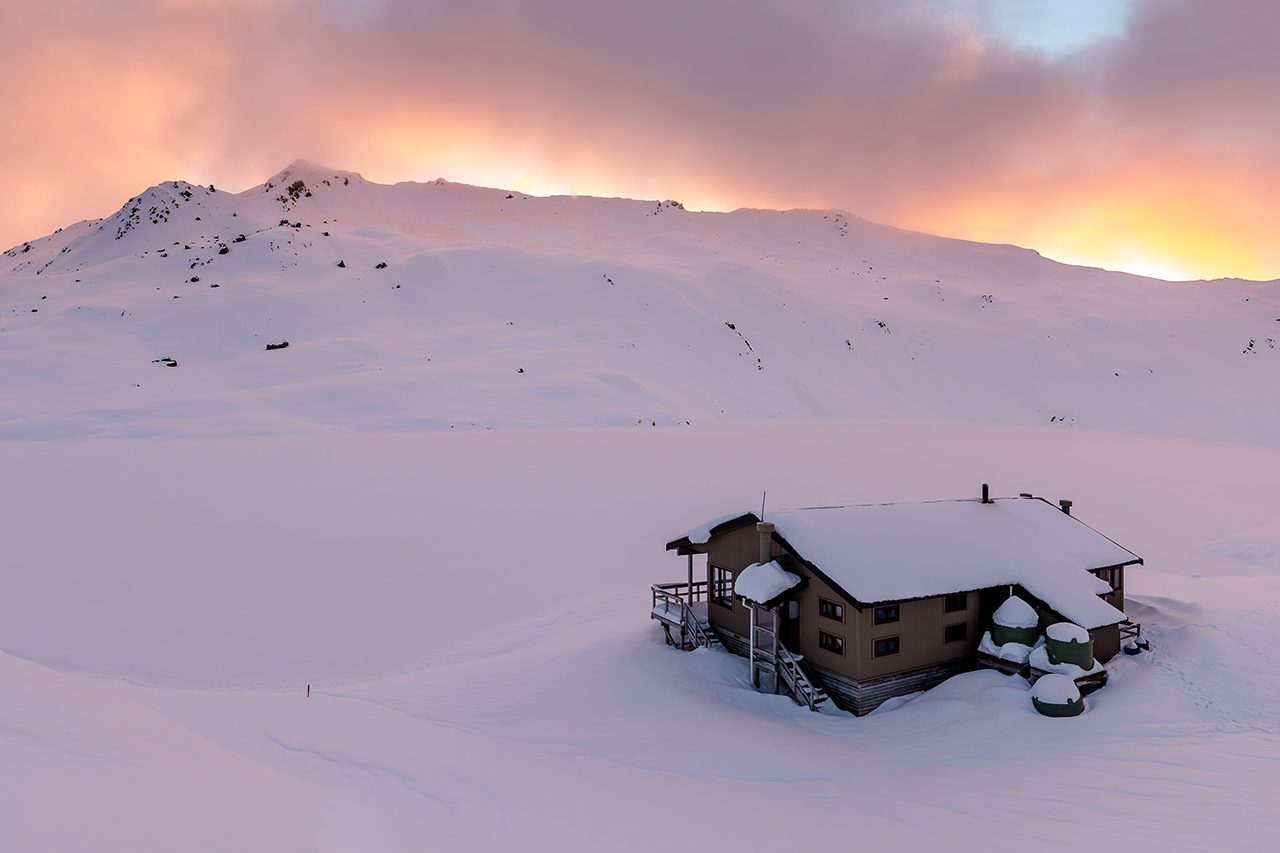
A couple who spent hours stuck on a snowy ridge were rescued after finding cell phone reception and contacting police.
The couple were tramping to Angelus Hut via Robert Ridge Route on Saturday when they realised their gear was insufficient for the alpine environment.
Just 700m from the hut, the couple used their cell to contact police at 8:30pm. Police were able to establish the couple’s location and the Nelson Marlborough Rescue Helicopter was sent, and arrived around midnight. The couple were cold but otherwise healthy.
Sergeant Steve Savage of the Nelson police urged trampers not to rely on cell phones for rescue, and encouraged the hire or purchase of a PLB.
“The couple were fortunate, as they had insufficient gear to spend the night out in the snow,” he said.
“This is a route in which conditions can change from being hot and sunny to strong winds, snow or rain with subzero temperatures in the matter of one hour.”
Iconic blue fungus researched for food colouring
Aotearoa’s famous $50 fungi might hold the secrets to natural blue food colouring.
According to The Spinoff, blue is the ‘holy grail’ colour of natural food colouring. Dye derived from blueberries, for example, just doesn’t hold its vibrancy like synthetic blues do.
Food scientist Silas Villas-Boas first discovered New Zealand’s werewere kōkako fungus when he moved here from Brazil.
“I had seen it on the $50 bill and I knew that the food industry had a big interest in natural blue colours. I also knew that there hadn’t been much study done on Entoloma’s pigment. But it’s not so easy to find them,” he said.
“I was in Porirua, I was on this track, and… there it was. I wasn’t even looking for it. It was very emotional.”
Following his discovery, Villas-Boas tried to grow the vibrant fungus in the lab, but was unsuccessful.
Now living in France, Villas-Boas is attempting to put the blue genes from werewere kōkako into other fungi.
“If this method is successful, the natural blue’s main applications would be in beverages, soft drinks and lollies. The cosmetic industry is also really trying to go away from synthetic dyes. There’s a real opportunity to build a very interesting story around this blue mushroom from New Zealand,” Villas-Boas said.
1921 a record year for tourism
New Zealand’s record breaking tourism revenue from 1921 has been shared by Otago Daily Times.
“The direct revenue from the Tourist Department last year – £42,2l8 – was a record.
There were a large number of visitors from America,” the article stated.
“The net expenditure was £93,720, compared with £68,858 the previous year. In most of the resorts the expenditure exceeds the revenue. The principal excesses are: Te Aroha, £1433; Rotorua, £7190; Hanmer Springs, £2779; Te Anau and Manapouri, £643; Queenstown, £448.”
A record number of tourists from England, America, Australia, China, and other countries journeyed from Te Anau to Milford Sound.
“It was unfortunate that when the heavy rush of visitors set in, the arrangement made for the opening of Mrs Sutherland’s house and the use of her launches at Milford Sound was unable to be kept,” the Otago Witness reported.
“This resulted in a certain amount of congestion at Christmas time, and disappointment to some who were unable to see the Sound.”
Tourist filmed hitting baseball into Grand Canyon
A tourist has landed himself in hot water after he was filmed hitting a baseball into the Grand Canyon, in Arizona.
The video, which was uploaded onto TikTok, was filmed by a bystander, and led to a search for the man who was identified after an appeal by the National Park Service.
Details of the potential consequences are yet to be released.
While no one was injured in the incident, projectiles thrown or dropped into the Grand Canyon can harm other tourists and wildlife.
In 2007, climber Pete Absolon was killed instantly after being struck by a rock thrown by hikers above.
Read the full story here.