Celia Hogan, co-chair of Education Outdoors New Zealand, shares the trips that have had the greatest impact on her.
Celia Hogan has spent most of her life in the outdoors, first as an instructor and now as a nature educator, founder of Little Kiwis Nature Play and co-chair of Education Outdoors New Zealand.
“Much of my work focuses on helping families and teachers nurture children’s connection to nature, courage and resilience,” she says. “These three trips shaped that path. Each one taught me something essential about presence, capability and how wild places change us.”
1. Sea Kayaking South Greenland
In 2005, I spent a month sea kayaking through the remote fiords of South Greenland. It was a place defined by silence, ice, cold water and the kind of landscape where your inner state matters as much as your skill.
The moment that changed me came while crossing a wide fiord as spinning wind columns started rising off the water and moving straight toward us. There was no shoreline to escape to, no rescue coming and no space for panic. Wind lifted at our kayaks, pushing and grabbing, and the only tool I had was my ability to self-regulate. Panic would mean poor decisions and severe consequences. I narrowed everything to breath, paddle strokes and presence.
Greenland taught me something I’ve carried into every hard moment since. You can’t always change what’s coming toward you, but you can change the state you meet it in. Out there, self-regulation wasn’t optional; it was survival.
2. Southern Lakes Ultra
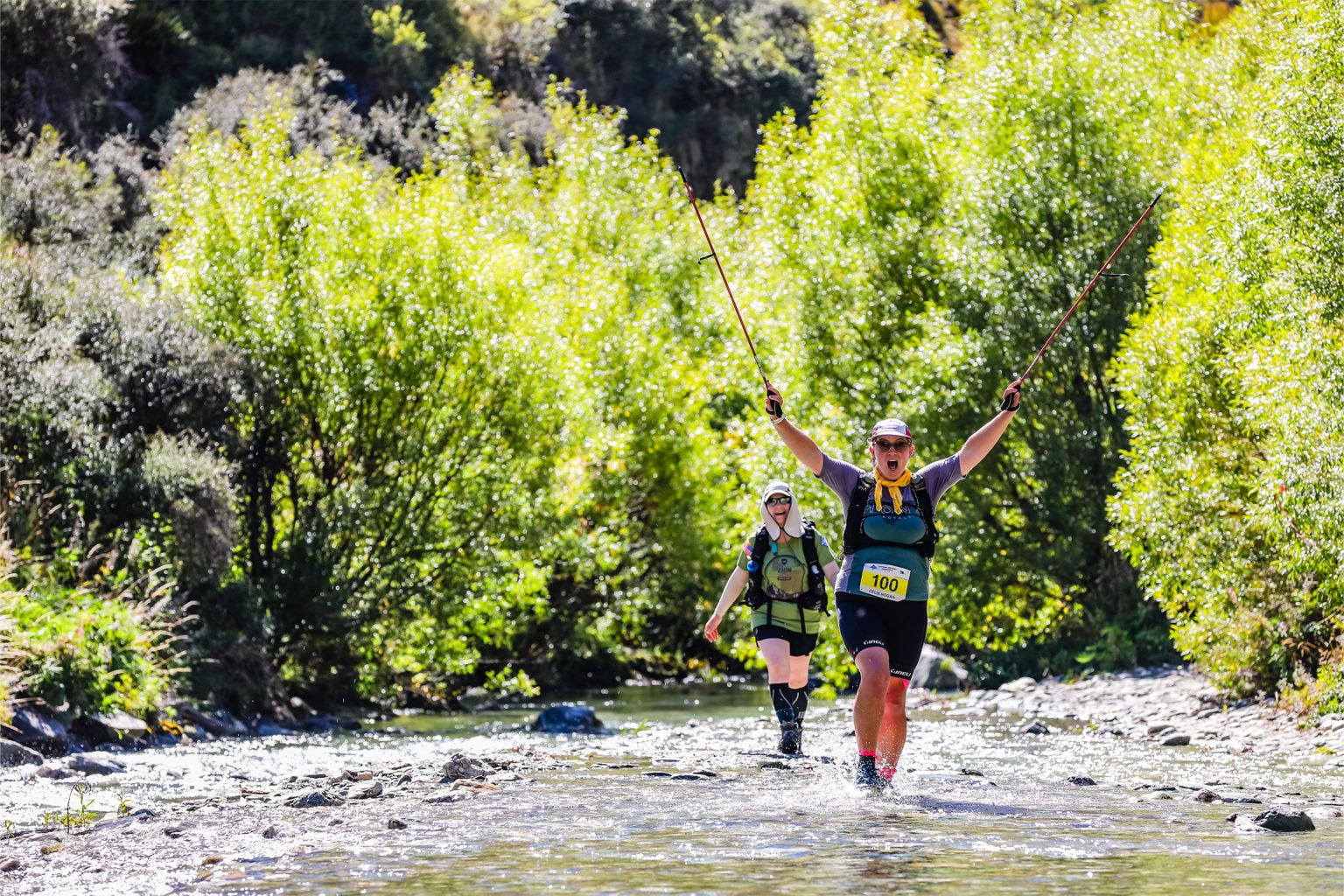
The seven-day, 250km Southern Lakes Ultra, with over 7000m of climbing from Lake Hāwea to Queenstown, changed me in ways I hadn’t expected. I signed up not knowing if I could finish it. Often we set the bar somewhere that we’re confident we can reach; this time I deliberately set it higher and hoped I would rise to it.
By the middle of the week my legs were heavy, my feet were battered, and I later learned I’d been running on a small fracture. At that point, fitness stopped carrying me and mindset took over.
One afternoon, when the pain was loud and all I wanted was for the day to be over, I sat on a rock in the shade and looked out across the lake. I reminded myself: you’ve done hard things before; you can do this too. Then I stood up and kept moving, one step, one breath at a time.
Finishing wasn’t about toughness. It was about presence, self-regulation, and refusing to abandon myself when things got hard. I didn’t find my limit out there; I found a new gear. And I learned that capability expands when mindset leads the way.
3. Rafting the Clarence with my kids
I’d rafted the Clarence River with groups as an outdoor instructor, but taking my own children (9 and 11) down the Waiau Toa for seven days was an entirely different experience. I knew the river and the rhythm, but I’d never felt it through the lens of a parent. Their lives were quite literally in my hands, and the responsibility was visceral.
Every decision mattered: when to paddle, when to walk a section, and how to support the kids through the cold, tired or wobbly moments. I wanted my kids to feel the magic of the river and the long days of movement, but I also needed to make steady, grounded decisions so they would grow up trusting the outdoors, not fearing it.
That trip taught me a different kind of courage: the courage to balance risk and wonder, to hold my children safely while letting them experience challenge, and to trust that shared adventure strengthens whānau in a way that nothing else can.