A wrap of the biggest stories and best writing about the outdoors from New Zealand and around the world.
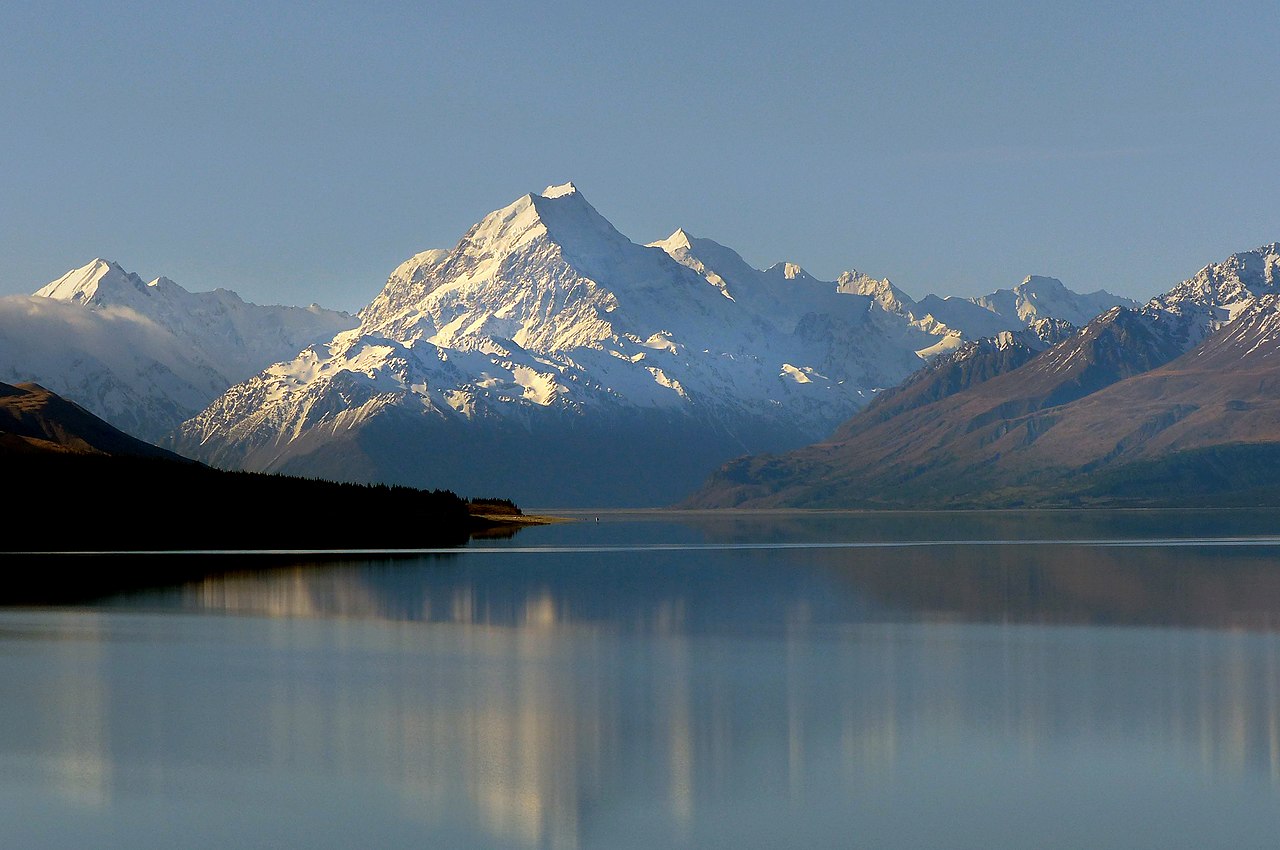
DOC has approved filming on Malte Brun Pass near the Tasman Glacier and near the Hochstetter Icefall on the eastern side of Aoraki/Mount Cook, which will ‘double’ as Everest base camp and the famous Hillary Step on the world’s highest peak.
“These sites have been used for filming Everest-related documentaries and films before,” says DOC Ranger Ray Bellringer. Bellringer noted the long-standing relationship between New Zealand and Nepal through the Himalayan Trust, and the involvement of Nepalese students in conservation and education programs. Since 1953 around 70 Nepalese including many from the Sherpa community have come for study in nature-based tourism and community conservation.
“Sir Edmund Hillary dedicated much of his life after 1953 to supporting Nepalese communities,” Bellringer added. “It is fitting that this project recognises the life and contributions of Tenzing Norgay, and we are proud to provide a setting that supports this storytelling. It’s an iconic setting for an incredible story.”
The production is expected to bring a significant economic boost to the local area with a large production crew and cast staying in the village and surrounding area. Set construction and logistical preparations are currently underway.
Cameras show more kiwi than possum in Taranaki
Dozens of cameras installed on the Kaitake Range in Taranaki are revealing the success stemming from five years of intensive predator control.
DOC biodiversity ranger Brandon Kingi said a comparison of images captured by the trail cameras dotted across the Kaitake showed a dramatic decrease in predators such as possums, stoats and feral cats – and a notable increase in protected native species like kiwi, which had been successfully reintroduced to the area.
“We’ve seen a big fall in the number of feral cats caught on our cameras, which shows the 1080 operation has effectively controlled them,” said Kingi.
“Immediately after the operation in November last year, the number of cats detected dropped almost overnight – from about 95 percent of the cameras showing feral cats, to about 1 percent.
“There was a similar result for stoats – they were seen on our cameras before the operation, then they had almost vanished when we checked the cameras afterwards.”
Kingi said keeping predator numbers down required hard physical labour, carried out by staff from DOC and Taranaki Maunga Project, as well as volunteers and paid staff from iwi and community groups. Read the full story from RNZ.
800,000 hectares of public lands up for sale in USA in proposed bill
A proposed budget bill in the USA calls for the sale of over 800,000 hectares of publicly owned lands with few restrictions on who can purchase the land. The bill also contains provisions to mandate more oil and gas leasing (including on the coastal plain of the Arctic National Wildlife Refuge), expedite road construction through Gates of the Arctic National Park and require mass timber sales in national forests, among other measures.
This comes at a time when President Trump is also considering dismantling the Antiquities Act, a bedrock conservation law that grants presidents authority and discretion to protect lands with historical, cultural and scientific significance. This move would lay the groundwork to weaken protection and possibly eliminate the 138 National Monuments in the USA.
Aoraki/Mt Cook rescue team not operating for winter season
New Zealand’s only full-time alpine search and rescue team will not be operational this winter. DOC has confirmed the Aoraki/Mt Cook Search and Rescue (SAR) team will be suspended until September 20, after dropping to just one member following several staff departures.
However, DoC says the move is not unusual for this time of year. “We typically see staff members stay on the team for a few years, and the end of the summer season is a natural point to step away, so this is not unexpected. These are intense roles due to the nature of the work,” says Aoraki/Mt Cook operations manager Sally Jones.
In the meantime, rescue operations in the Southern Alps will be coordinated by the police or the Rescue Co-ordination Centre, who may deploy nearby Alpine Cliff Rescue teams, LandSar volunteers, or helicopter crews out of Wānaka and Queenstown. Read the full story from NZ Herald.
How to thru-hike in retirement – three seniors share their tips
“I was 14 when I first knew I wanted to thru-hike the Appalachian Trail,” says retired Pennsylvania lawyer Soren West, who completed the AT in 2016 at the age of 75. “It took me 60 years to get around to doing it, but buddy, when I did? I savoured every moment. My time on the trail was just so much more rewarding and amazing than anything I could have imagined.”
West and other older trekkers acknowledge that age-related advantages like financial stability, refined appreciation for the significance of their hike, and less need to push or prove themselves, can be countered by some big physical drawbacks.
But with careful preparation, a keen assessment of physical limitations, and the right gear, thru-hiking later in life is more doable than you might think. Backpacker has written an in-depth article on how to prep for a long hike in your golden years, check out the full story.