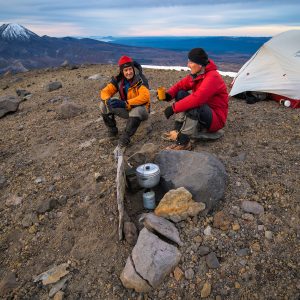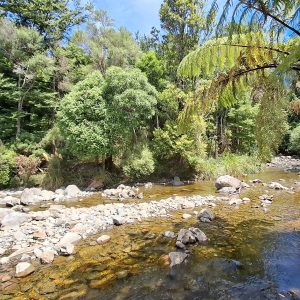
Pegs Do you have the right number? “It’s not uncommon to leave or give away a couple the previous summer and to have completely forgotten about it,” says Monteith. “Also make sure the pegs are clean because it’s important not to spread kauri dieback from one forest to another.”
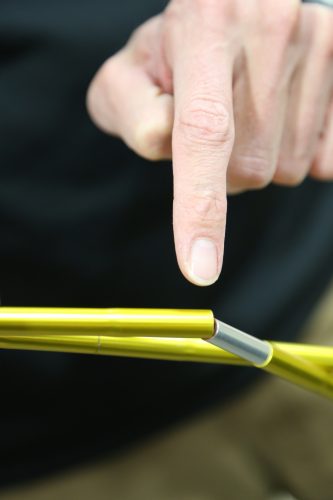
Pole cracks Check there are no hairline cracks at the end of each section of pole.
Pole elastic Is the elastic in good condition? “Over time elastic can lose its tension,” says Monteith. “To prolong the life of the elastic, break down the pole from the middle, not the end, so it doesn’t stretch as much.”
Fly Check inside to make sure the seam seal hasn’t given way. “You can reseal it with seam grip,” says Monteith, “which can keep it going for a few more years.”
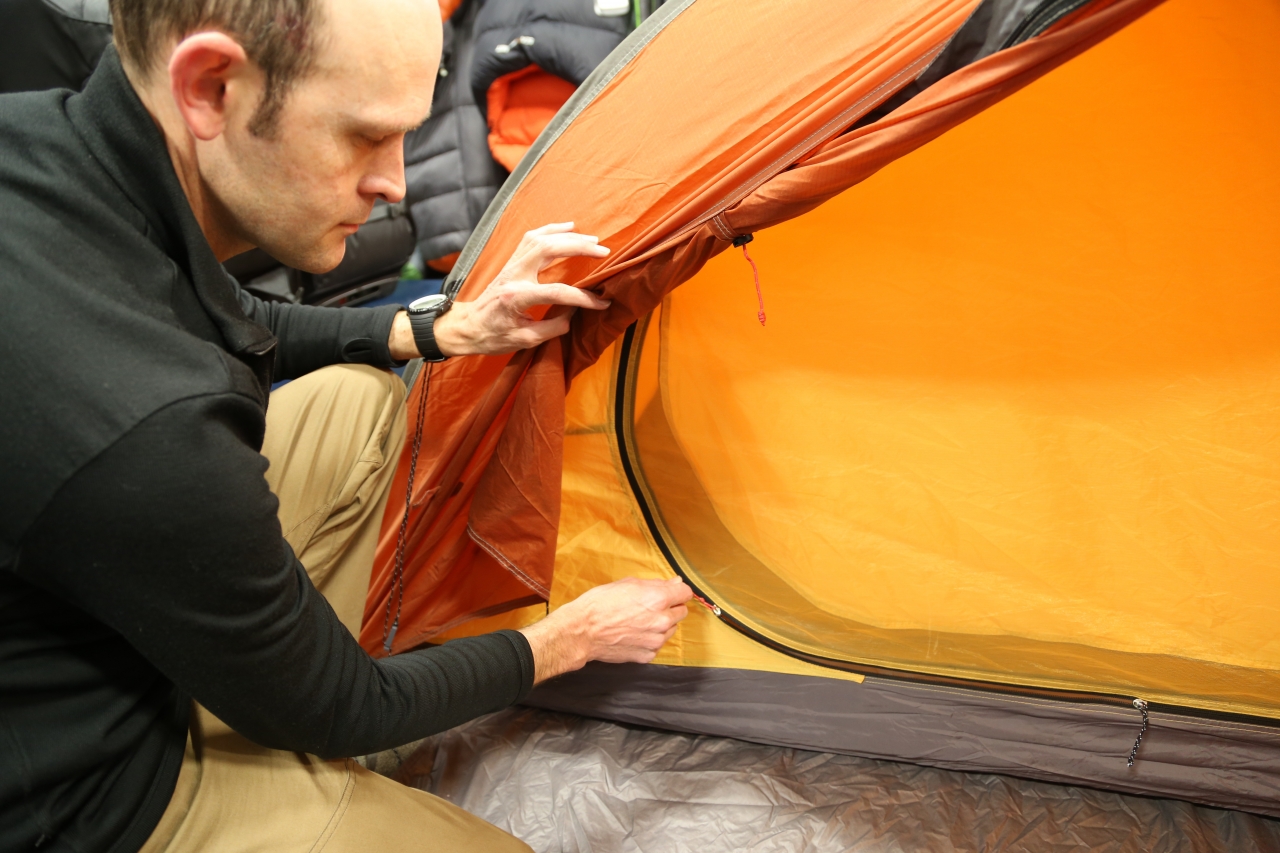
Zippers Make sure they all run smoothly, particularly on corners where, after a few years, the zipper or the teeth can wear away.
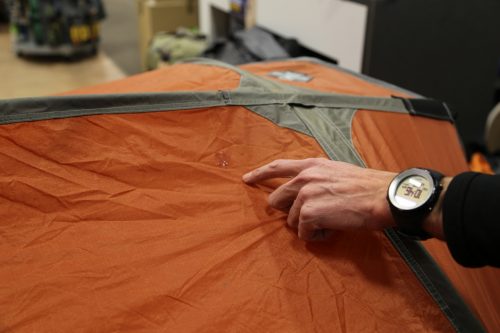
Holes Check for little holes in the floor and sides. “Small holes can be re-proofed using sealant,” says Monteith. “I’d suggest giving the tent a spray with the hose – lightly, not with high pressure. This will make sure there are no holes and the water runs off the fabric; with older tents, water can sit on the fabric and it can get heavy and take a long time to dry.”
Guy ropes Have you the correct number and are they all in place?
Smell If the tent really smells bad it can be washed, but Monteith says leaving it up for a couple of days to get air through it normally does the job.
Tent footprint This is the ground protection beneath the tent, protecting the floor. Very important for, “If the floor is damaged,” explains Monteith, “you’re really talking about a new tent.”
Mould/mildew Mould can be removed with mild soap and a scrubbing brush, but mildew is a different story. “As far as I know, there’s no way to remove it,” warns Monteith. “But store your tent somewhere dry inside the house and it should prevent mildew from growing.”