A wrap of the biggest stories and best writing about the outdoors from New Zealand and around the world.
Over six days, an enormous search effort – by foot, vehicle, horseback, plane and helicopter, involving more than half a dozen different agencies, as well as concerned locals – saw people scour the rugged countryside of the Snowy Mountains for missing hiker Lovisa Sjoberg.
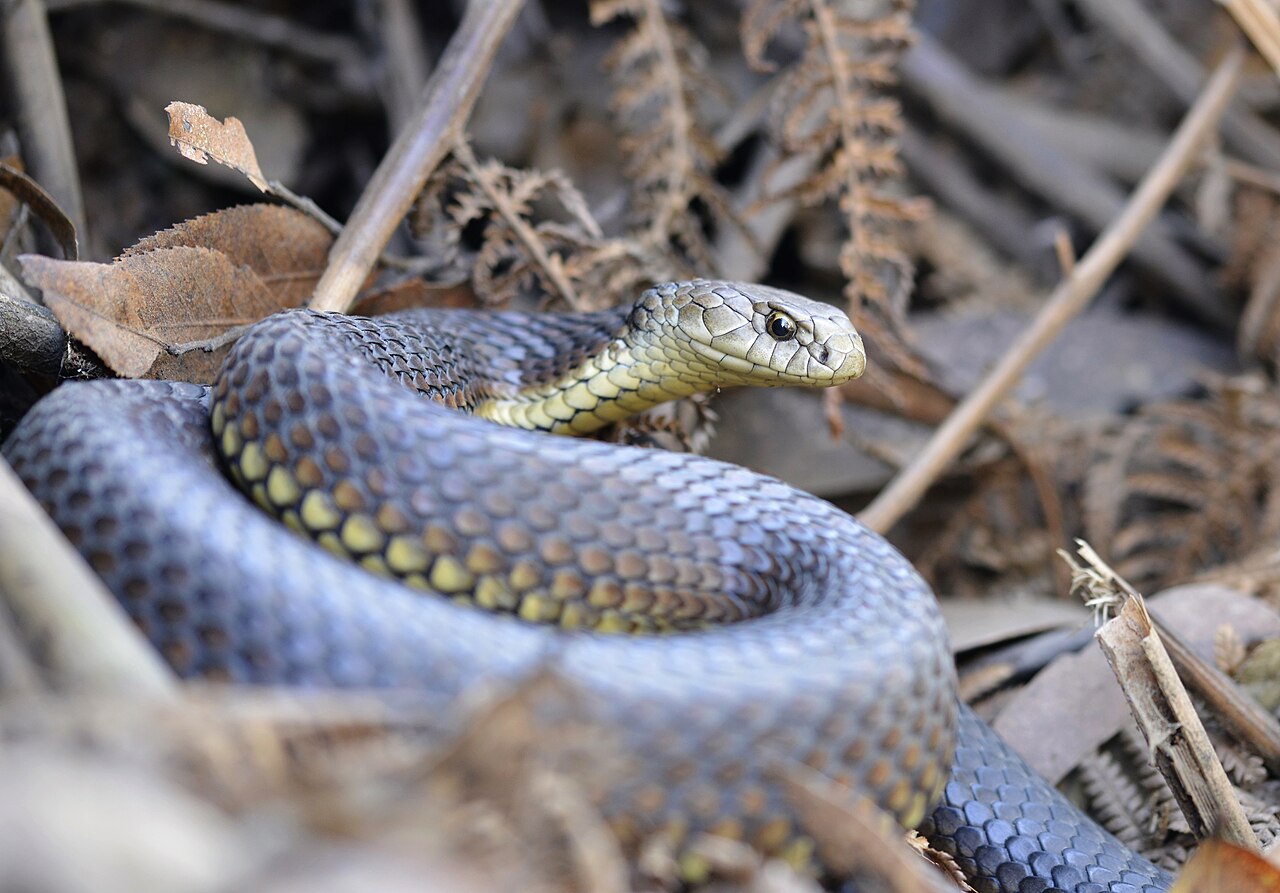
She’d suffered a suspected copperhead snake bite four days before being rescued, had rolled her ankle and was dehydrated. In the words of Supt Toby Lindsay, the commander of the Monaro police district, Sjoberg was “pretty fortunate to be alive”. She was taken to hospital in a stable condition.
Peter Cochran was one of nine riders from the local community who traversed the rugged terrain of the national park looking for Sjoberg. He spent three days riding, staying each night at his horse trailer, in constant contact with police, informing them where he and his fellow riders were searching.
The conditions, he said, would have been tough for a hiker. “The level of scrub that’s up there, that’s regrowth following the 2020 fires, is just beyond belief. It’s almost impossible to ride a horse through at places,” he said. Read the full story from The Guardian.
Fiordland legend Ray Willett dies
Well-known Fiordland personality Ray Willett passed away on 19 October at age 88. For over a half-century, Ray was a tireless activist, environmentalist and outdoor enthusiast.
Originally from London, at 16 Ray saw a sign in a window saying, “Come to New Zealand”. His love affair with Fiordland started in 1956 when he embarked on a motorbike tour of New Zealand which took him from Auckland to Milford Sound.
Passionate about the environment Mr Willett had been involved with conservation since 1959, when he worked on the Milford Track as a mountain guide.
This is when he saw his first stoat and learned about their impact on the New Zealand native birds. As a National Park Ranger, he set up predator trap lines at the Eglinton and the Hollyford Valleys and continued trapping to the end of his days.
At 65 he was the oldest person to complete the 2001 New Zealand Coast to Coast race in one day. He competed in 25 Kepler Challenges, before retiring at age 77. Read the full story of Ray’s life at The Southland App.
Meet the plus-size hiking group out to prove the outdoors is for everyone
Five years ago, hiking enthusiast Steph Wetherell hiked all 257 km of the arduous St Olav’s Way pilgrimage in Norway, in supermarket leggings, tops from a high street store and an ill-fitting men’s waterproof jacket.
You might assume that Steph was unprepared, but she wasn’t. Rather, she simply had no other option. As a plus-size woman, brands just didn’t make hiking clothing in her size.
Steph was confronted with ignorance on every trail. “I’ve done a hike before where I’ve had eight or ten people saying ‘well done you’, ‘you’re so inspiring’. On a hike that’s well within my ability, and I’m receiving those comments just because I’m plus size.”
Fed up with uncomfortable kit and patronising strangers, Steph and other plus-size adventurers she’d met on social media decided to take action, forming a plus-size hiking group.
Inspired by similar movements in the US, the group set up Every Body Outdoors to improve the plus-size experience of hiking and other outdoor pursuits. Read the full story from Advnture.
Te Ara Mangawhero cycling and hiking trail opens
The new 11.4-kilometre section is the first of two parts to make up the 21.4km eco-tourism hiking and cycling trail connecting Tūroa and Ohakune on Mt Ruapehu.
The Mountain to Sea trail, which goes through the Ruapehu and Whanganui districts, was opened in 2012 by Prime Minister Sir John Key but the “origins of thinking” went back to 2009, trail champion Lynley Twyman said.
The completion of Te Ara Mangawhero’s first stage was “another massive step forward for everybody”, Twyman said. Instead of widening Ohakune Mountain Rd to allow for cyclists, which would have required removing trees, the project built the trail on the former tramway, lessening the environmental impact.
Ruapehu Mayor Weston Kirton hoped that, after a couple of difficult seasons, the new trail would bring more tourism to Ruapehu. He said it was estimated Te Ara Mangawhero would attract 50,000 users per section annually and $36 million a year.
Twyman said Government support would be needed to continue the development of the Mountain to Sea trail. Read the full story from The NZ Herald.
Fighting for the forest
On a sunny day, the view from Florence Hill’s lookout in the Catlins is stunning. Expansive bush rises from the coast to the surrounding ridgelines. The crescent of golden sand that is Tautuku Beach stretches down to a rocky peninsula.
This catchment is home to an array of native wildlife – red- and yellow-crowned kākāriki, the Tautuku gecko, titipounamu, non-migratory Gollum galaxiids and some secretive wetland birds. However, it’s also home to a host of introduced mammals.
Project manager Francesca Cunninghame has been monitoring mātātā or South Island fernbird as part of Forest & Bird’s Tautuku Ecological Restoration Project.
The mātātā is classified as ‘at risk – declining’, so Francesca is keen to help this population as much as she can. The first season of monitoring was the most successful, “The wetland just sort of filled up with fernbirds.” There was only one nest predated that season.
But in seasons two and three, trail cameras pointing at the nests revealed that stoats and a feral cat were targeting the eggs and chicks. Read the full article and listen to the podcast from RNZ.