From basic bivouacs hidden in the alpine heights to fully serviced huts with flush toilets and roaring fireplaces, across the motu New Zealand has more than 950 public huts.
Some must be booked in advance and others operate on a first-come, first-served basis. They provide a refuge in the backcountry.
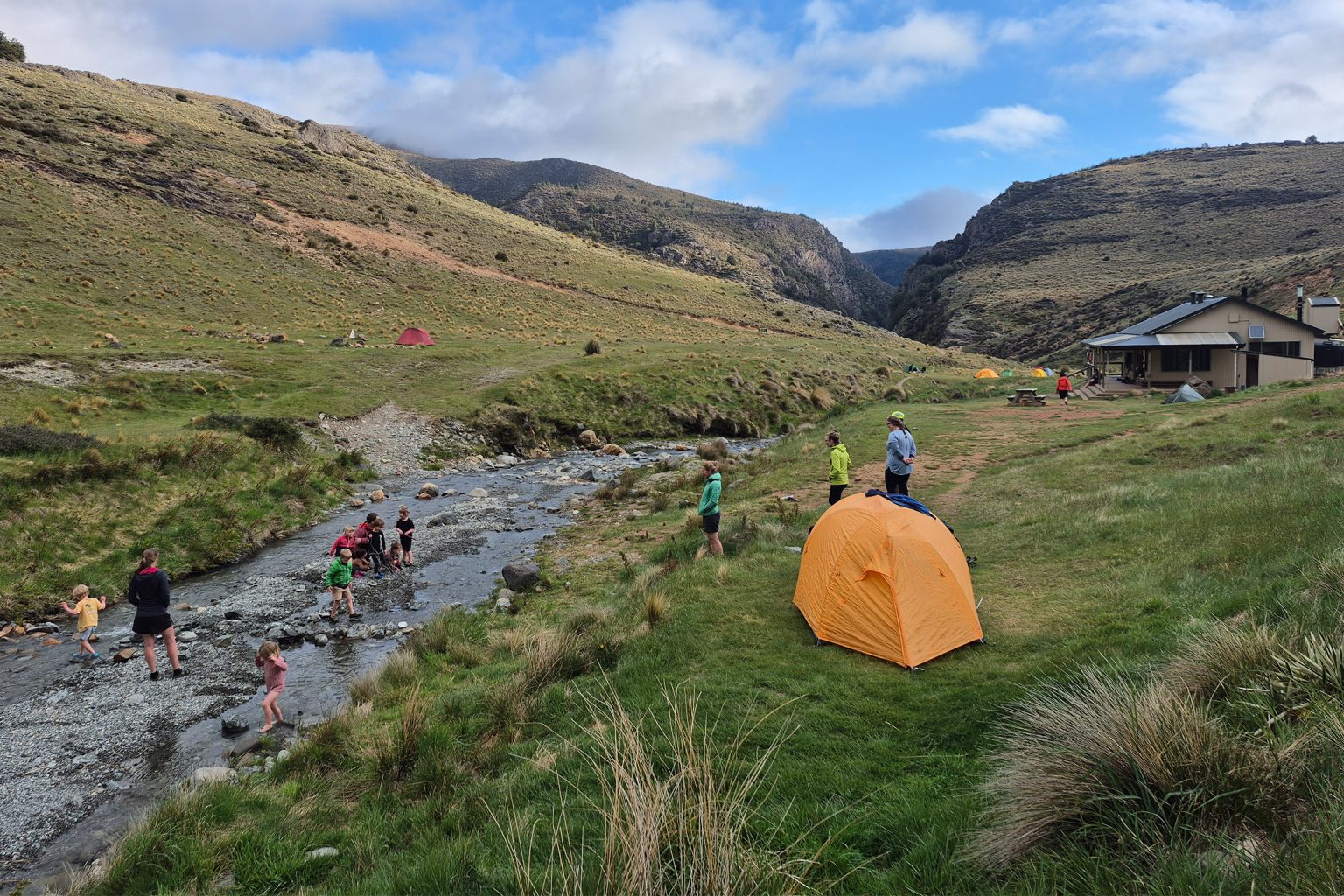
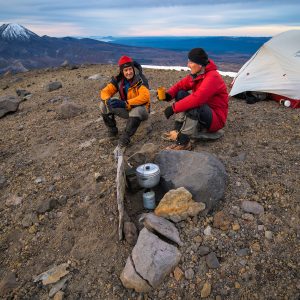
But what about the freedom that taking a tent offers? In the backcountry, you can camp wherever you like. Perched within nature, camping offers solitude away from other trampers. It’s just you and the stars at night.
You will have to carry your tent and a sleeping mat, though, and a digging tool for toileting, and if you don’t have an ultralight tent, you’ll be adding around 2kg to your overall pack weight.
A hut can offer more comfort. It’ll keep you warm and dry during bad weather. You can find camaraderie with other users. If you opt for a hut, your pack will be lighter but you may find your sleep interrupted by the presence of others.
What about cost? Most huts have a fee, and if you’re camping by a hut you still have to pay, although it’s usually cheaper. If you’re camping remotely, there’s no cost at all.
Whatever your favourite sleeping arrangements, when it comes to the actual trip, planning, looking for possible tent sites in the terrain, considering weather forecasts and locations near water supplies all remain essential.
What do you prefer?
About the author
Samantha Mythen
Walk Shorts writer Samantha Mythen is currently adventuring around the world, writing, hiking and cycling. She studied law but is now a journalist. She has worked for RNZ and freelanced for global publications, including Japan Today.
Mt Somers via Te Kiekie Route, Hakatere Conservation Park
The Tararua’s forgotten traverse
Subscribe!
Each issue of Wilderness celebrates Aotearoa’s great outdoors — written and photographed with care, not algorithms.Subscribe and help keep our wild stories alive.