What is a cardiac arrest?
A cardiac arrest occurs when the heart stops pumping blood around the body. There are many different causes, the majority associated with the patient having heart disease. Whenever the body is under significant physical stress – for example when you walk up a steep hill – the risk of a heart attack increases, particularly if the person is unfit. A heart attack precedes cardiac arrest, though most people who suffer a heart attack don’t have a cardiac arrest.
How to respond in the backcountry
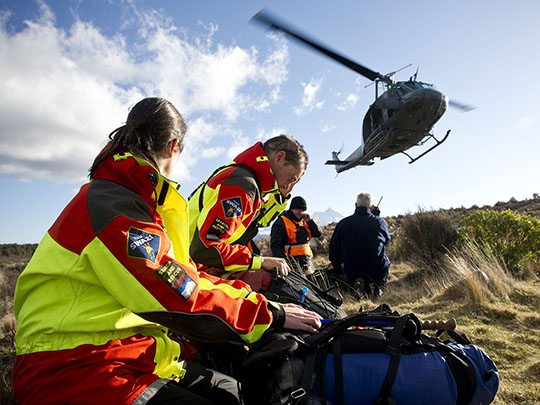
Because the brain begins to die after 4-5min of no blood being pumped to it, it’s essential to perform CPR immediately to buy time until emergency services arrive with a defibrillator. CPR will sustain distribution of blood through the body, though it only pumps a fraction of what the heart itself pumps, so is of short term value. A defibrillator is required to give the patient a chance of surviving.
When to stop CPR
Traditional teaching is to keep going with CPR until help arrives or you are physically unable to continue. However, it is appropriate to stop after an hour because the patient will have died.


34 years of inspiring New Zealanders to explore the outdoors. Don’t miss out — subscribe today.

Questions? Contact us