A grand vision was declared six years ago: to transform New Zealand into a predator-free haven by 2050. From the shores of remote islands to the depths of ancient forests, Wilderness ventures into the lives of four predator-free apprentice graduates.
The dynamic duo
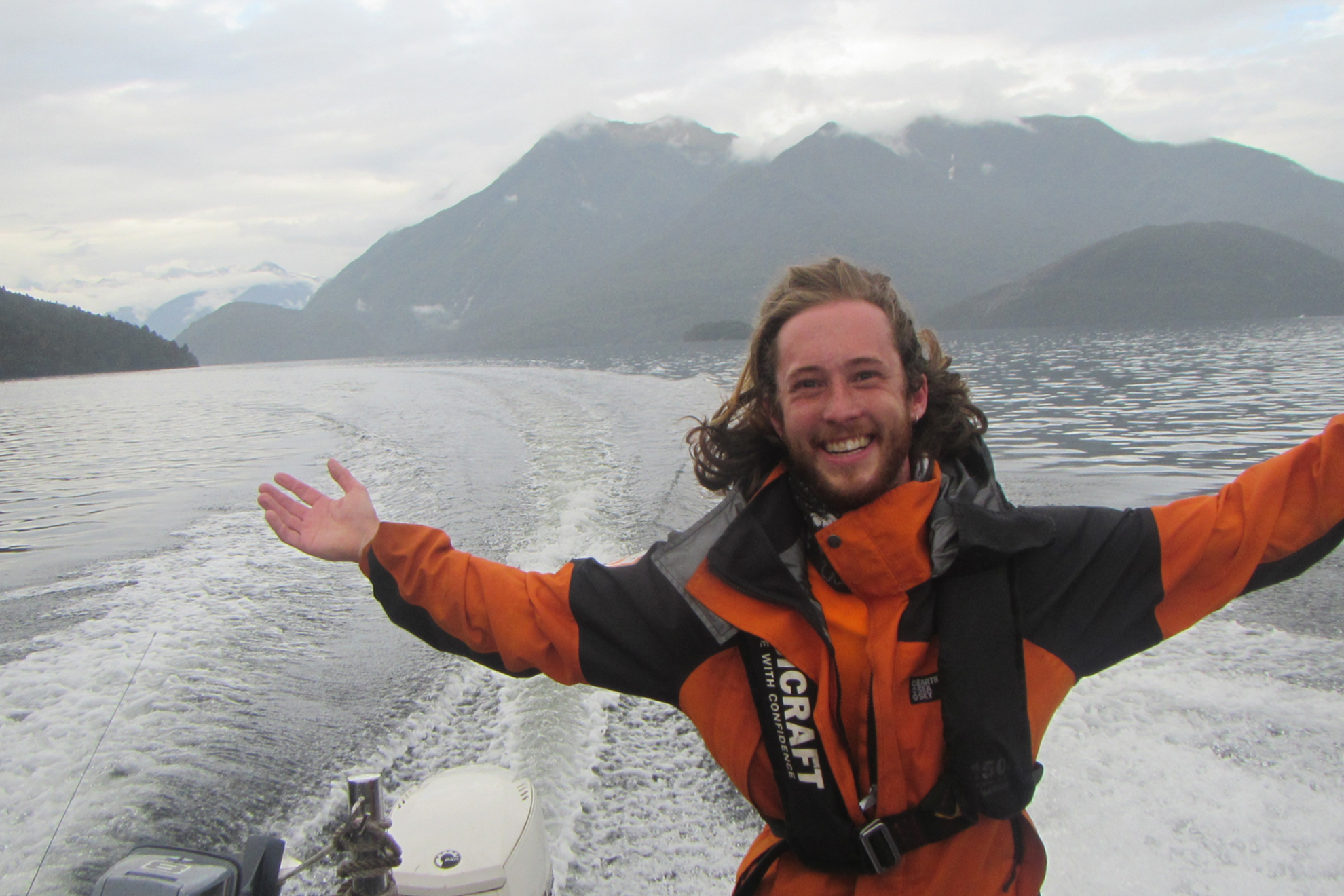
Aidan Braid and Jamie Hickling work for the Mammalian Corrections Unit (MCU) in Ōtepoti / Dunedin. Their job could see them in a helicopter flying over ancient forests to install trap networks, or jet boating around Fiordland bays and onto an uninhabited island to service stoat traps.
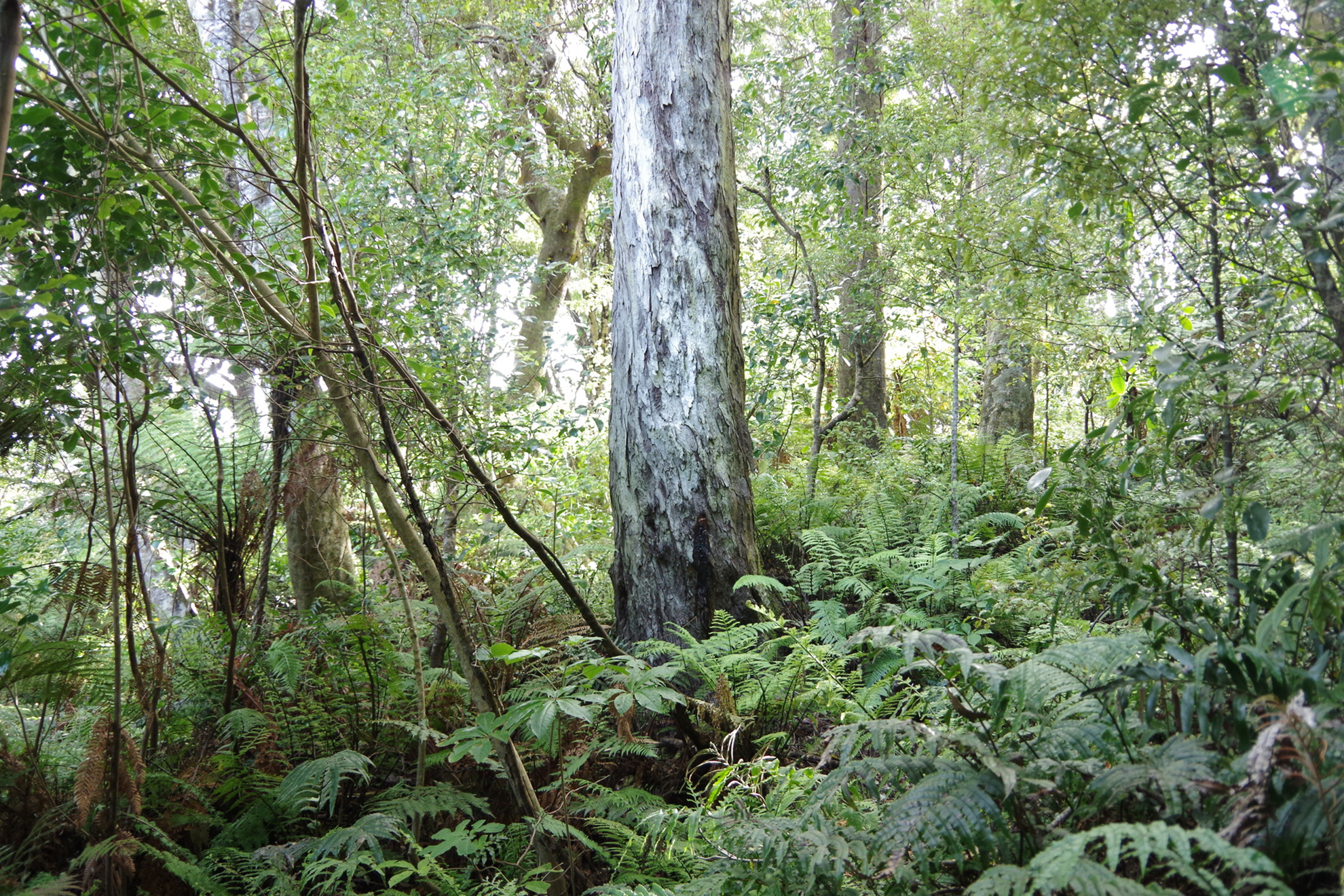
They are used to working in rugged wilderness areas and the installation of an intensive mustelid trap network in the Hikaroroa / Mt Watkin Reserve, was a memorable challenge. The reserve is one of the last large stands of old-growth forest north of Dunedin.
The project began with 160 wooden trap boxes fitted with DOC200s (stainless-steel traps for rats, stoats and hedgehogs). The two scouted the best trapline routes and helicopter drop zones, and meticulously mapped the reserve using GPS and GIS.
“To put a trap in every stoat home range we needed them placed 100m apart on lines 800m apart,” Hickling explains.
With the network mapped out and bundles of traps dropped into the canopy by helicopter, “it was time to lean into the heavy packs,” says Hickling. “We located a bundle, strapped traps to our packs and walked out multiples of 100m, often in the knee-deep Waikouaiti River. We then found or made a flat spot, cleared the vegetation, hammered in the rebar and recorded the GPS point. We would repeat this until the bundle was empty then walk to the next one.”
They did this for close to a week, cooking their own meals and sleeping in tents.
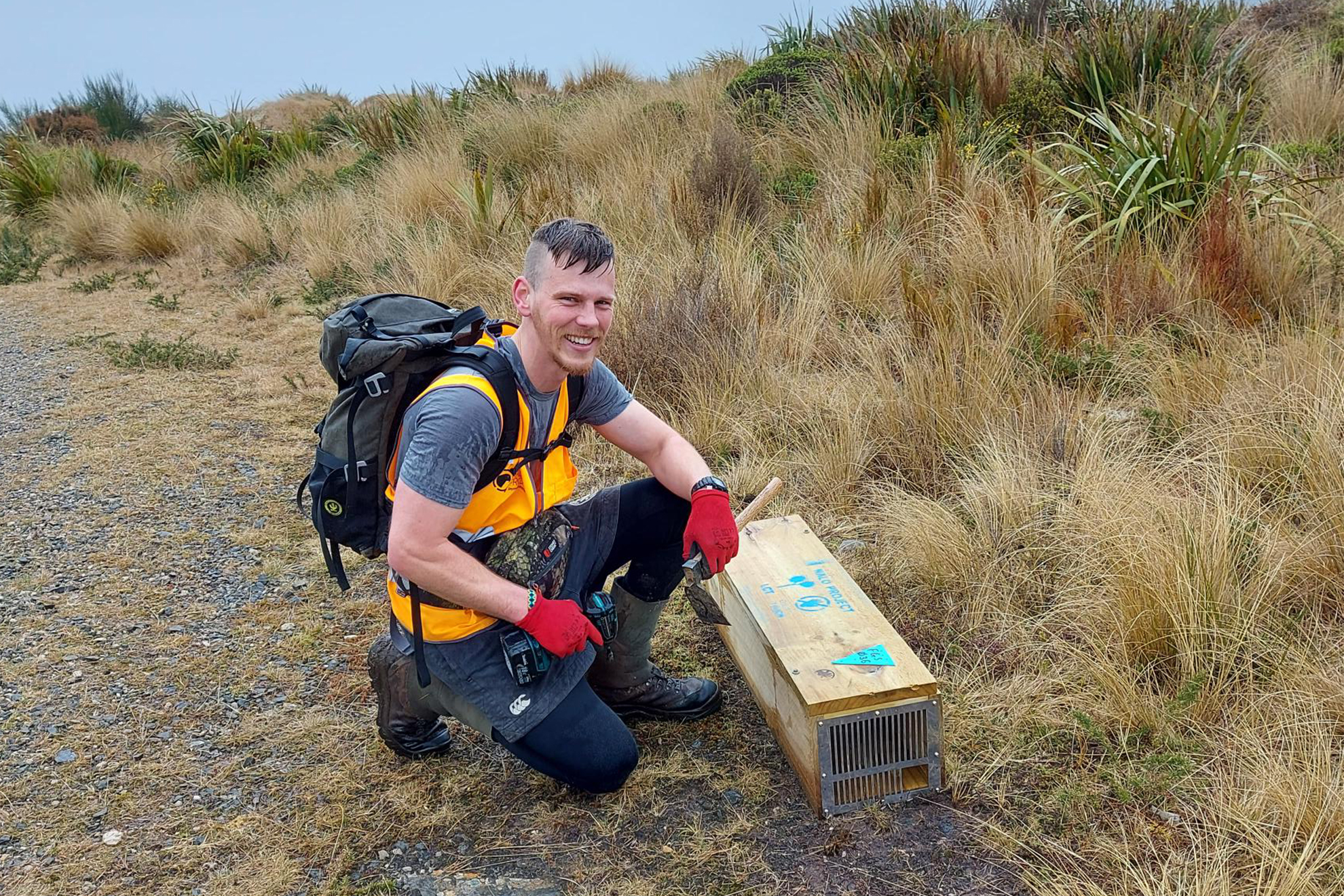
The traps have been checked monthly since then, and over the past year 215 hedgehogs, 80 rats and 36 mustelids have been removed.
Another recent job took them to the heart of Fiordland.
DOC’s Fiordland team was away dealing with an emergency pest incursion elsewhere, and MCU was tasked with heading to Secretary Island / Ka Tū-waewae-o-Tū in Doubtful Sound / Patea.
Stoats are on the island and threaten kākā and kiwi.
The aptly named ‘Stoat Boat’ took them to the uninhabited island, accompanied by bottlenose and dusky dolphins. Once there, they had to check, bait and clean the stoat traps, which was easier said than done. “The rocky coastline of Secretary is a wild place,” says Braid.
One trapper would disembark and trek up the steep side of the island to inspect inland traps. The other would remain on the Stoat Boat, zipping around jagged outcrops to check the coastal traps – all the while contending with hordes of bloodthirsty sandflies.
“Our home for the week, the aging Gut Hut, was full of holes and cracks, meaning we were never truly safe (from sandflies),” says Braid. But after a couple of days, the sandflies blended into the fabric of the place and the scenery and experiences took over.
Kim Miller was struck by how epic his job was as he trekked through knee-high snow to check a stoat trap against the backdrop of a brilliant blue sky with Dunedin stretching out in front.
The snowy wonderland of that day was unique, but the day’s activity was typical for the operations field lead for the Halo Project. Miller spends most days servicing a network of mustelid and possum traps across 20,000ha and analysing and monitoring trail camera footage.
The Halo Project’s aim is to provide a safe and healthy habitat for the birdlife spilling out of Orokonui Ecosanctuary, and the project’s goal is for zero density of possum in its core area (zero density means possum numbers are so low they can’t reproduce).
Miller’s work brings him up close with elusive birds. He recalls a day along the Otago coast calibrating traps with hoiho (yellow-eyed penguins) “all over the show, sunning themselves, surfing waves back to shore”. While working in the bush, he’s been accompanied by kakaruwai (South Island robins).
Jenilee Hill is a fellow graduate apprentice working with Miller at the Otago Peninsula Biodiversity Group, removing predators on the peninsula.
She is often in the bush, checking bait stations while surrounded by titipounamu, wētā and jewelled geckos.
Each day is a struggle against rats, stoats, weasels, possum and ferrets, yet a transformative experience awaited Miller and Hill on predator-free Whenua Hou/Codfish Island. Whenua Hou has no predators. They went there to help with supplementary feeding of kākāpō and soon fell into the island’s rhythm. Each day food was weighed and tailored to each kākāpō, then bagged and taken – in 15kg backpacks – through the forest to each bird’s feeding station. Kākāpō were regularly seen up close, running, playing andfighting. What they didn’t expect was the vast array of other birds and plant life.
“Orange-fronted and red-crowned kākāriki all over, mōhua, cute little Campbell Island teal,” Miller raves.
Hill says the canopy cover was “insane”, dominated by rimu and southern rātā, with lush new undergrowth coming through, unchewed by possum.
“It was like another world,” she says. “The wildlife was fearless. There were kākā just running around on the ground.”
Whenua Hou was a glimpse into what once was and what could be: a predator-free thriving ecosystem, precisely what is being worked towards on the mainland.
For Miller, it confirmed how a healthy ecosystem needs predator control and native plant restoration.
“We have to replant in urban and rural environments; birds won’t come back and thrive unless there’s food and habitat,” he says.
Hill says it was the “most valuable thing I’ve ever done in my life. It cemented what I wanted to do with my life”.
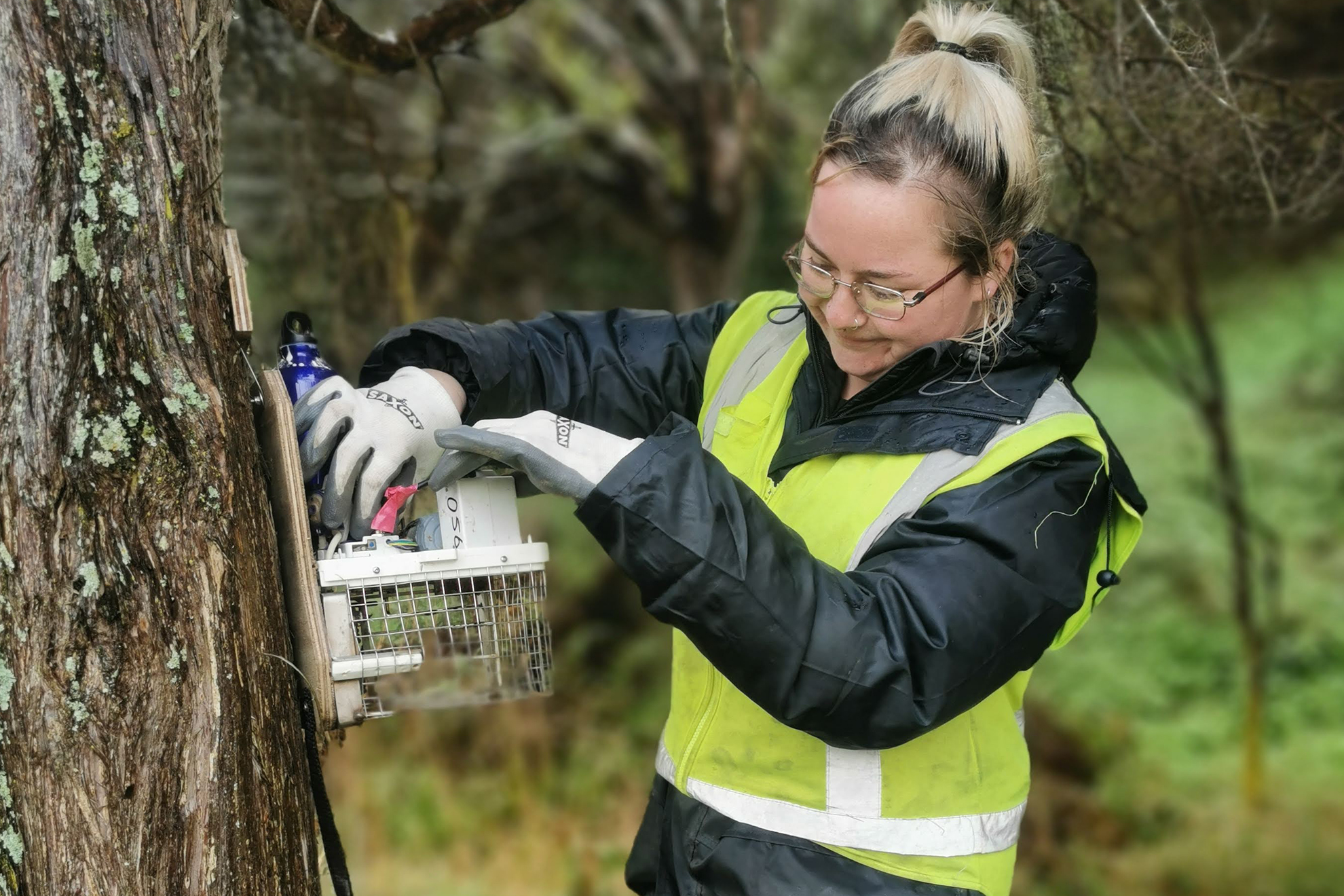
Before her apprenticeship, she never dreamed of being out at night shooting possum, trekking in steep terrain to refresh bait stations, or scrutinising hours of trail camera footage considering how best to dispatch more possum. She’s an animal lover but understands the awkward paradox in New Zealand: to save native species, introduced mammals must be killed.
“My duty is to protect the lizards, birds and insects while respecting the possum – it’s not their fault they are here. We owe it to them to remove them humanely and with care.”
The two-year apprenticeship programme began in 2020 with funding from Jobs for Nature. By mid-2024 it’s expected that there will be 65 graduates.
Apprentices gain experience and knowledge through a mix of industry qualifications, training and field work. They must also support local conservation community groups or projects.
Predator Free NZ Trust chief executive Jessi Morgan says more people will be needed if the country is to be rid of mustelids and rats by 2050 and other invasive species beyond that.
“Before the apprenticeship programme, there wasn’t a clear pathway into the sector,” she says. “So many young people love the outdoors, love wildlife, so to harness that passion and foster those skills into a career is meaningful and crucial for the future.”
Apprentices are located in most regions from Aotea/Great Barrier Island to Gore.
34 years of inspiring New Zealanders to explore the outdoors. Don’t miss out — subscribe today.

Questions? Contact us