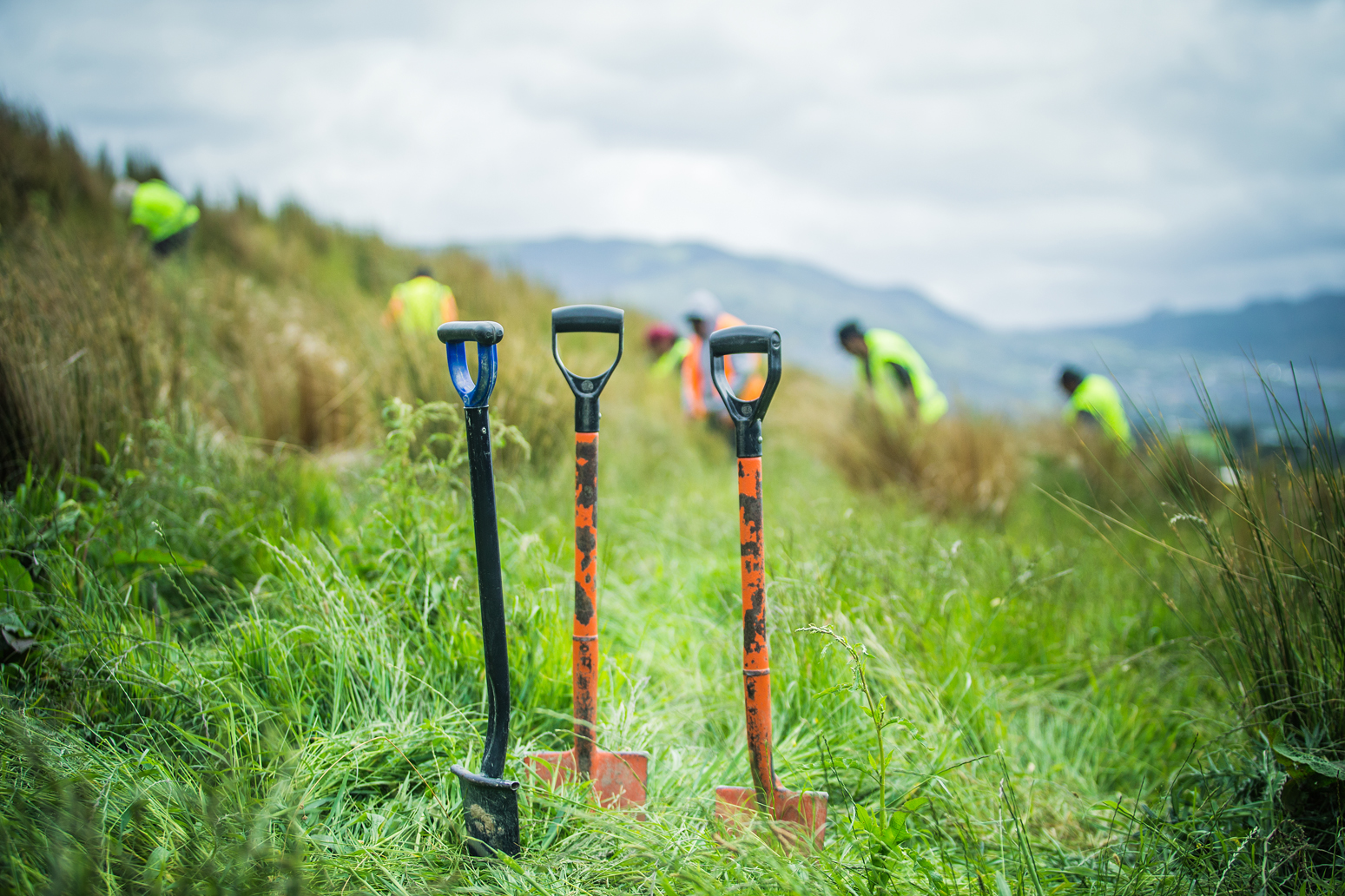
Prisoners and people serving community service sentences are helping New Zealand reach Predator Free 2050 in a partnership between DOC and the Department of Corrections.
The two departments have been working in partnership since 2015 and are looking to expand the programme this year.
Chief probation officer Darius Fagan said community service workers were doing weed and predator control and track maintenance projects, while prisoners were building predator traps, growing native plants and even embarking on building projects for huts and other facilities. Prisoners were able to gain qualifications through the projects, such as carpentry and construction, Fagan said.
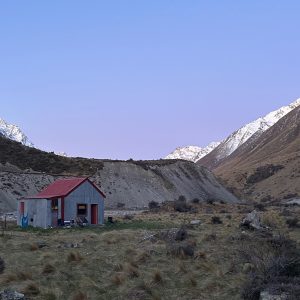
Last year, prisoners built 300 predator traps in Otago alone. In Whanganui, prisoners helped replace a hut in Whanganui National Park as part of a construction course, while prisoners in Invercargill helped refurbish a kakapo rearing centre. Prison-based nurseries around the country were also growing thousands of natives – in Auckland, prison nurseries had an agreement with Auckland Council to help plant one million native trees over three years.
“We want as many prisons as possible contributing,” Fagan said. “There is no shortage of work that needs to be done.”
Fagan said Corrections wanted to increase the number of qualifications available for prisoners working on conservation projects.
“We’ve only really scratched the surface. We want to triple that in the next year.”
Beyond the prison walls, people on community service sentences had been doing track maintenance on areas close to urban centres, including the Waitakere Ranges. Last year, 30,000 hours of community service work went towards conservation and track maintenance work. But Fagan said that’s still less than two per cent of the two million hours of community sentences each year, which includes work for schools and councils. He would like to see a far greater amount of work going into conservation projects, as getting into nature had a marked effect on people.
“We don’t want people just hacking down scrub and not seeing the purpose in it,” Fagan said. “The community service workers are getting into their own backyards and they can directly see they are contributing to something that has an impact. People really connect to nature and identify with the locations we go to. They like the idea of preserving species and having more native birds around. If they can learn something about the local area, flora, fauna and get a new skill, that’s great.”
Fagan said the department was always looking for community conservation projects which community service workers could contribute to.
In its briefing to the incoming minister, DOC said it planned to accelerate and expand the project, focusing on key priorities such as Predator-Free 2050.