A wrap of the biggest stories and best writing about the outdoors from New Zealand and around the world.
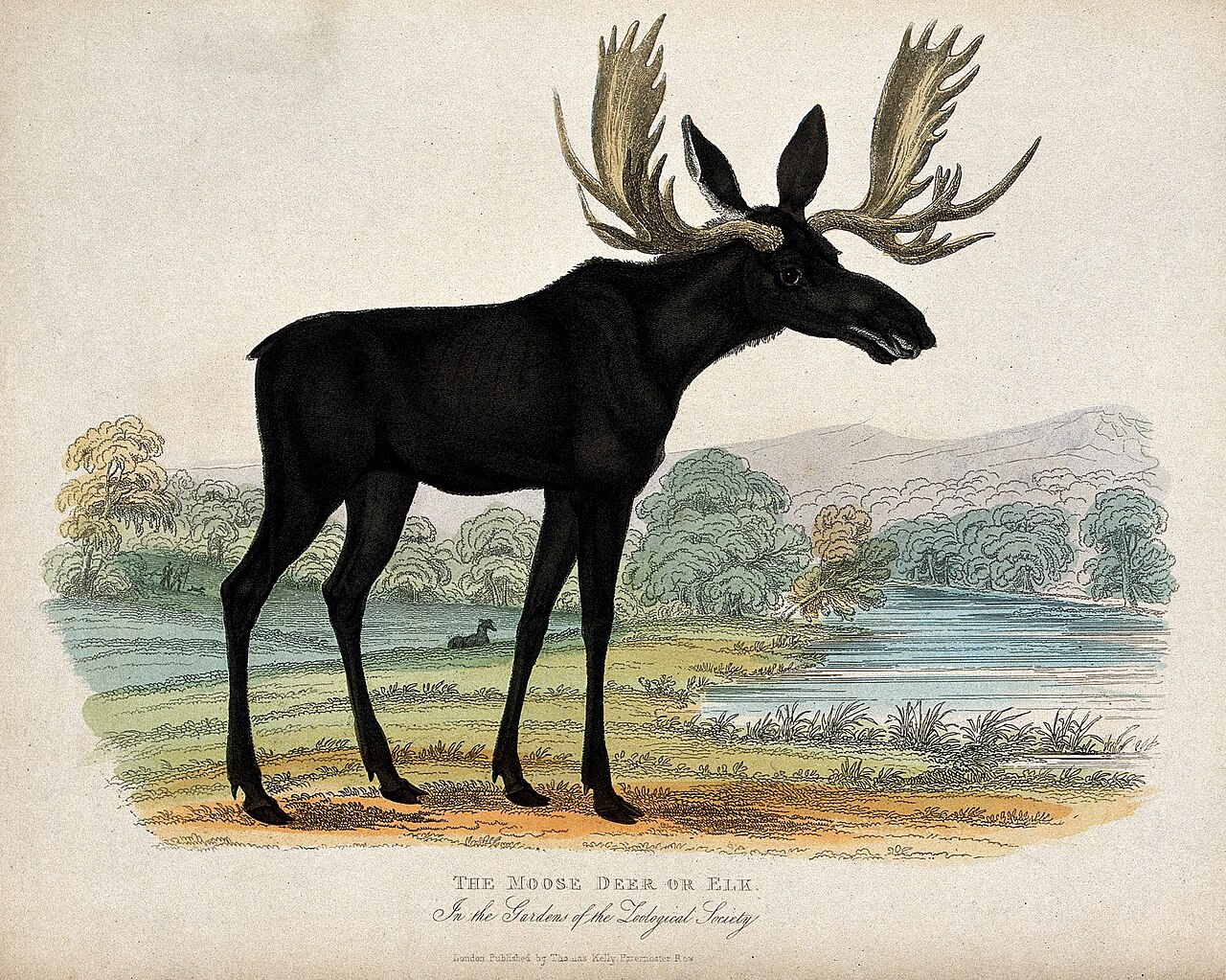
Is this finally proof that famed Fiordland moose is real?
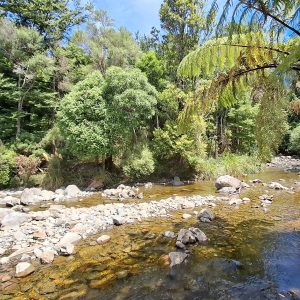
Annie-Pier Bourgeois, Antoine Beauchamp and Chanel Sabourin-Dubois were on their third day on the Kepler track when they came across a large animal near the bank of the Iris Burn River.
Mr Beauchamp said when they approached, the animal was scared into the bush. They decided to cross the track and look for it. “That’s when we had a good look at him, and our very first instinct was to say, ‘Oh my God, that’s a moose.’ But we didn’t think you had those here, so we tried to rationalise it and think maybe, oh, maybe it’s, I don’t know, something else.”
The trio, from Quebec, have seen moose in the wild in Canada and do not believe what they saw was a deer. At the end of the trail, they boarded a shuttle back to Te Anau. Mr Beauchamp said the driver “jokingly” asked if they had seen a moose. “It’s so funny, the moose thing here. I really didn’t know it was a thing before hearing about it.”
It is the second such report in March after American visitors Norbert Nigon and Virginia Schuning said they saw one on the track two weeks earlier.
Longtime New Zealand moose researcher Ken Tustin was buoyed by the second detailed account. He said the Canadians’ report coming so soon after the American report of a moose was “an extraordinary coincidence”. Read the full story from the Otago Daily Times.
Should you hike in a skirt?
A skirt might not be the first piece of gear you think to reach for at the trailhead, but should it be? GearJunkie spoke with several outdoor professional women, each of whom has hiked significant mileage in skirts, skorts, and dresses.
Athlete Claire Dumont said she didn’t like the texture of hiking pants or the constriction of leggings. She wanted the airflow, ease of peeing and feminine spirit that comes with hiking in a dress. “Wearing a dress is a way for my femininity to take up more space in a male-dominated sport, especially on the AT, ” Dumont said. “If I’m going to wear the same thing every day for 5 months, I want to like how I look.”
Alaskan guide Nikki Baran lauds the thermoregulation a skirt affords her and loves the playful confidence it gives her. “There’s just something about guiding in a skirt,” Baran said. “People don’t take you seriously at first. Then you blow their minds with some knowledge, a 27kg pack, and bare calves.”
Thru-hiker Sara “Socks” Kruglinski said she started wearing a skirt halfway into her first Pacific Crest Trail hike. It was an immediate game changer. “Skirts themselves stay much cleaner and less stinky than shorts,” Kruglinski explained, “since they don’t get as much direct skin and sweat contact.”
Police rescue family in windy, freezing temperatures on Taranaki Maunga
Police have issued a stern warning to hikers after rescuing a man and his two children from Taranaki Maunga last night in near-freezing conditions. Police Search and Rescue Detective Gerhard Jacobs said the family were unfamiliar with the area and underprepared for the cold conditions.
He said LandSAR volunteers walked four hours through near-freezing temperatures and 50km/h winds to lead the family to safety. The trio and their rescuers were all eventually out by around midnight.
“Police would like to remind people walking in the outdoors, particularly on the unforgiving Mt Taranaki, that preparation is key and to know your limits,” Jacobs said.
“In this instance last night, the family had changed their plans without informing anyone and the man had just 5% battery on his phone as emergency services were attempting to gain their location by it via GPS.
“Fortunately, the group made it out safely, however, the outcome could have been very different.” Read the story from NZ Herald.
World’s oldest gecko found in North Canterbury
The two Waitaha geckos that were first discovered and marked in 1967 and 1969 by late Herpetologist Tony Whitaker were found during a five-yearly species monitoring visit to Motunau Island. DOC Biodiversity Ranger Kaitlyn Leeds says the geckos were found during a five-yearly species monitoring visit to Motunau Island.
“We were all blown away to find two of the original marked lizards! We found “Antoinette” first and dated her at 64 years plus and then found the second one called “Brucie-Baby” and dated her at 60.”
The age record for the Waitaha gecko was previously 53 years with a gecko found on the same island in 2015. “They do look a bit skinnier with looser skin but to be honest, you wouldn’t know they were 60+ years old!” according to Leeds.
Waitaha geckos are classified as at risk and in decline. They are mostly found in lowland Canterbury, usually in rocky places that provide warmth and refuge from predators. Read the full press release from DOC.
Remembering the Cave Creek victims 30 years on
It has been three decades since 13 Tai Poutini Polytechnic students and a DOC worker died when a poorly constructed viewing platform collapsed at Cave Creek, on the West Coast. An inquiry into the disaster laid the blame on the poor construction and design of the platform, and the lack of project management systems.
Kit Pawsey was 17 years old when he moved to Greymouth to study adventure tourism in 1995. “He was just loving living on the coast and loving the course and all the adventurous outdoorsy things they we’re doing as part of that so he had a really, really happy first term there,” his sister Fleur Pawsey said.
Tai Poutini staff and students marked the anniversary with a gathering at the Cave Creek memorial garden located at the polytechnic in Greymouth.
DOC underwent massive changes as a result of the tragedy. Hundreds of structures were inspected. Many were closed for repair and others were removed following a review.
To mark the 30th anniversary a new track will open allowing people to walk from the Pororari River on the Paparoa Track, to the memorial stone at the entrance to Cave Creek. Read the full story from RNZ.