It is important to plan and prepare before a trip. What does that mean for a journey like Te Araroa?
Many people embark on Te Araroa, the 3000km trip from Cape Rēinga to Bluff, only to abandon their mission after a short time. Why is this?
It is actually easier to find out how those who face and beat the challenges manage to do so. However, it is likely that many who fall by the way had not planned and prepared sufficiently.
Gather information
The Te Araroa Trust website should be your primary source of information, but there is also much to find on the internet.
Of course, people who post about their experiences on social media will have a range of skill levels, and we must remember that what one person has found easy we may find hard, and vice versa.
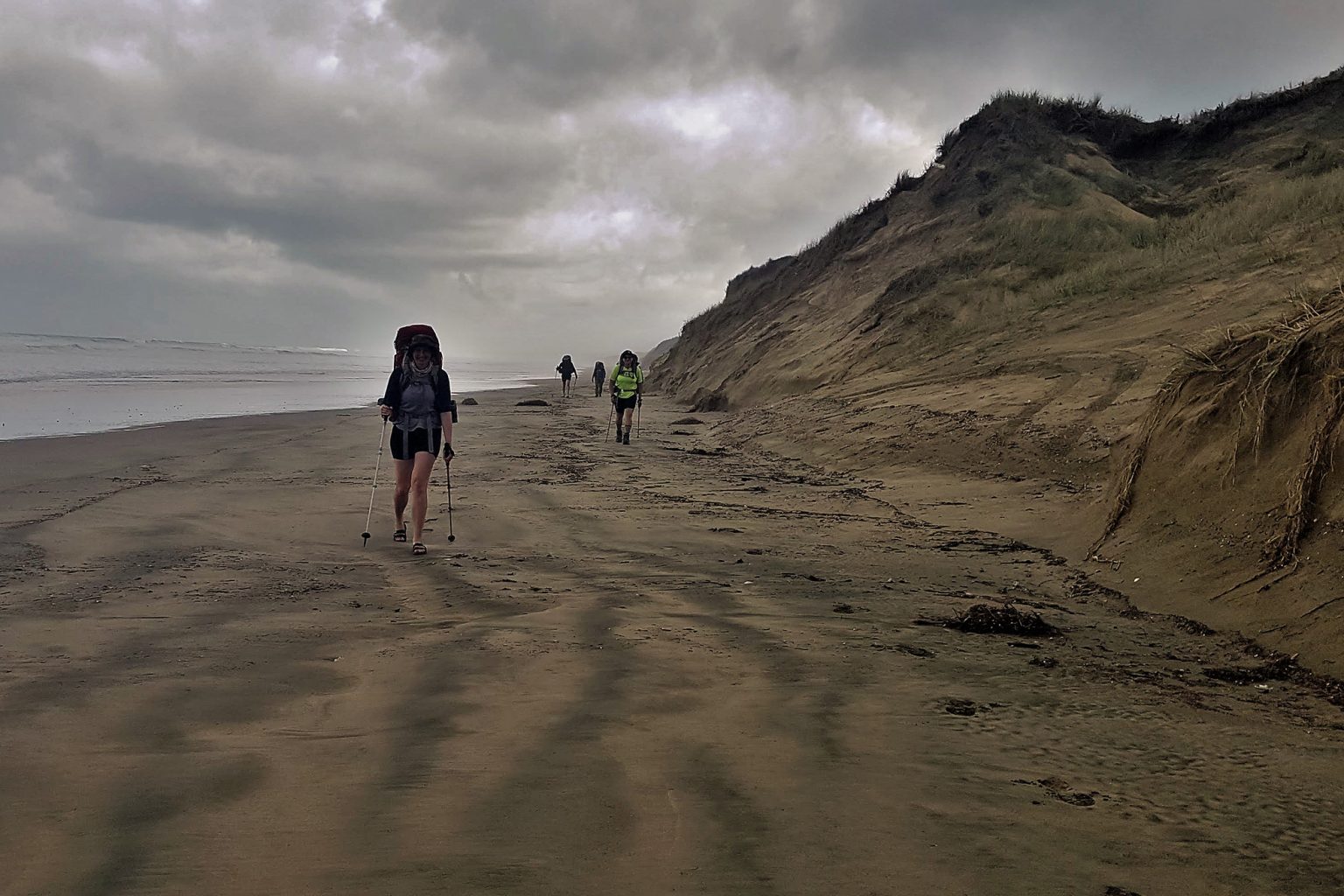
Whether southbound or northbound, there’s a lot of beach walking to begin with. Beaches are hard on the legs and feet, and many people get blisters, which can be minimised by keeping sand out of your socks. Find out the local tide times and plan around them, and be prepared to be exposed to all weather for the duration of the section.
There is also a lot of road walking, especially in the North Island, ranging from highways to quiet country roads and remote forestry roads. Some people find these sections pleasant – long distances can be covered quickly – while others prefer to hitchhike where possible. The choice is yours.
Prepare for long-distance walking
The number of walkers who start the trail with no experience of multi-day trips amazes me. If that’s you, get some six- to eight-hour days under your belt, carrying a pack, before you start. Learn how to set up and break camp efficiently and test your gear. Do you even enjoy this? Are you fit enough?
Gear
New Zealand weather turns quickly, and you will be exposed to everything from extreme cold and strong winds to extreme heat. You need sufficient gear to cope with this, regardless of the season.
Emergency contact
Arrange for someone to be in regular contact and let them know when you’re entering an area of poor coverage or if you plan to go off trail. They should contact the NZ Police if they are concerned that you haven’t made contact.
Weather and rest days
Always check the weather before heading into any bush, alpine or remote section. Consider carefully whether to wait out the weather, skip a section or vary it. Check the status of trail sections on the TA website regularly.
Plan for plenty of zero days; your body will thank you for these. Many people have been injured by rushing towards the end to meet a deadline.
Taking time to plan and prepare before you begin will help you to enjoy a long hike safely.