A wrap of the biggest stories and best writing about the outdoors from New Zealand and around the world.
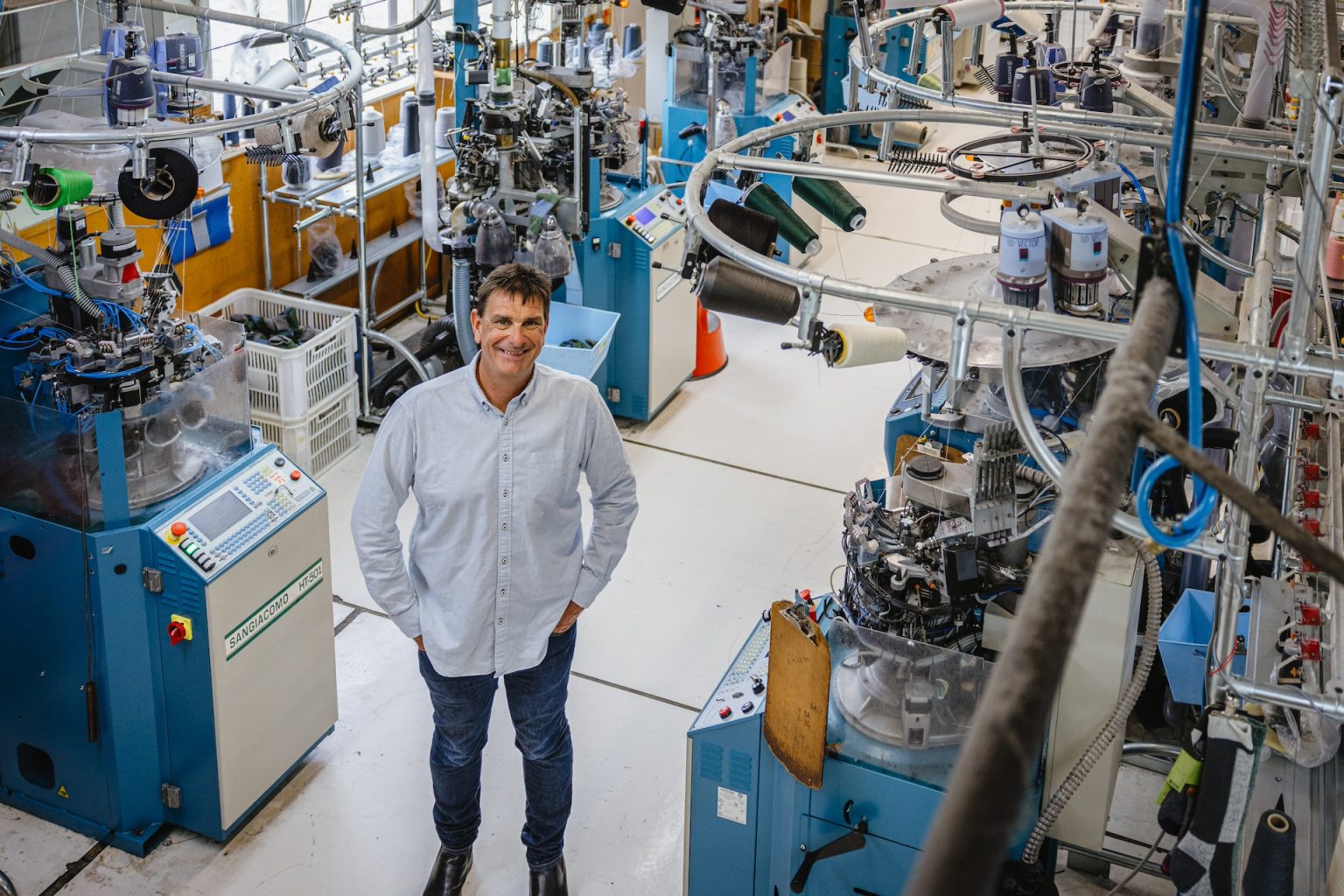
For 61 years, Norsewear has provided the financial lifeblood for the village of about 150 locals. The fact the company is in its seventh decade defies what has happened to much of the New Zealand textiles industry, which has been decimated by deregulation. Survival hasn’t been easy, with the company that once supplied Sir Edmund Hillary with socks for one of his famous expeditions having been on “the brink” of closure.
“We’ve basically, as a country, decided that we’re not going to do apparel and then we lament the fact that the wool industry is stuffed,” owner Tim Deane said. “Because we’ve [the wider industry] moved so much offshore, it’s had a huge impact on local regional communities.”
Despite the challenges, Deane is confident about the future. Domestically, he believes Norsewear is among local commodity producers who could benefit from a raft of “geo-political” issues impacting global trade routes and supply issues. He hopes more businesses would look to the regions and think, “What can we bring to the table?”
Read the full story and watch a video at the NZ Herald.
Elation and concern after sighting of great spotted kiwi in Golden Bay
A conservation worker reviewing camera footage for feral pigs in Golden Bay did a “triple take” when a great spotted kiwi appeared on his screen.
“I was a little bit shocked when – after passing through a few hundreds of images of pigs and stoats and rats – a kiwi popped out.” Bert Harris said the the discovery of the distinctive bird, clearly visible in footage taken near Pūponga in Golden Bay, blew his mind given the closest known population of kiwi is some 40km away in the Kahurangi National Park.
“There might be a local resident population of kiwi; that’s probably the most optimistic take on it. God knows where it came from but if it has spread out from a local population then it’s vulnerable, probably young and it is not just stoats out there, wild cats show up quite regularly on those cameras, and dogs, as it is a popular pig hunting area.”
Despite their size, roroa chicks are still vulnerable to stoats and dogs. Read the full story from RNZ.
These running shoes are made from beans, sugar cane & cornstarch
Looking for a running shoe that is easy on the planet? The Hylo Impact running shoe is trying to be just that and is made from biodegradable and sustainable alternatives.
The Hylo has an outsole composed of 60% natural rubber, a midsole made from bio-EVA with sugar cane and a 20% bio-based foam insole. The upper is made from PFC-free DWR castor beans and laces of Tencel Lyocell cellulose.
Gear Junkie’s Adam Ruggiero tested these new shoes and writes, “For folks who just need a reliable, comfortable, nimble road shoe, the Impact offers competitive performance with superior sustainability.” Ruggiero also went on to say that the shoe was “light, breathable, cushioned, and overall comfortable.”
Read the full review from Gear Junkie and take a look at the shoes yourself from Hylo.
Support growing for granting ecosystems legal personhood
Ecuador became the first country to legalise the rights of nature in 2008, and other ecosystems around the world have followed suit – including Aotearoa’s Whanganui River. Dr Viktoria Kahui, senior lecturer at the University of Otago, RNZ’s Afternoons that granting personhood to nature acknowledged it had an explicit right to exist, flourish and be well.
In the case of Whanganui awa, it had “shifted the whole mindset away from being pretty much … used and abused” by local businesses and council, she said. It also was an explicit acknowledgement of the connection between tangata whenua (local Māori) and the river, and giving them a voice in its management.
Looking at similar cases around the globe Kahui and her team’s research delved into who was advocating for those natural spaces, what were the economic pressures and how the legal personhood varied. Many cases around the globe have been modelled on the Whanganui River legislation. “What it has shown is that attention to detail matters: it has to be a very clearly, legally defined legal personhood… and to specify who are the guardians, and what they are liable for.”
Police praise teenagers lost in bush after dark
A group of teenagers lost in the Southland bush were praised by police for making the right decision by notifying emergency services and staying put for help.
Police said they were notified at 8.15pm on Friday that a group of teenagers had unexpectedly been caught out while walking the Makarewa Falls track in the Hokonui Hills, Southland. As the group started to lose daylight they also lost the track route and became lost. When they realised they were in trouble, the group alerted police by using the SOS function on their cellphone before lighting a fire.
Invercargill police search and rescue co-ordinator Sergeant Alun Griffiths said a group of 10 Land Search and Rescue volunteers, supported by Amateur Radio Emergency Communications, were deployed and the group was located shortly after midnight.
The boys did all the right things and stayed calm, Sgt Griffiths said. “What may start as a day walk could turn into an overnight trip faster than you might realise if you lose sight of the track.” Read the full story from the Otago Daily Times.