A wrap of the biggest stories and best writing about the outdoors from New Zealand and around the world.
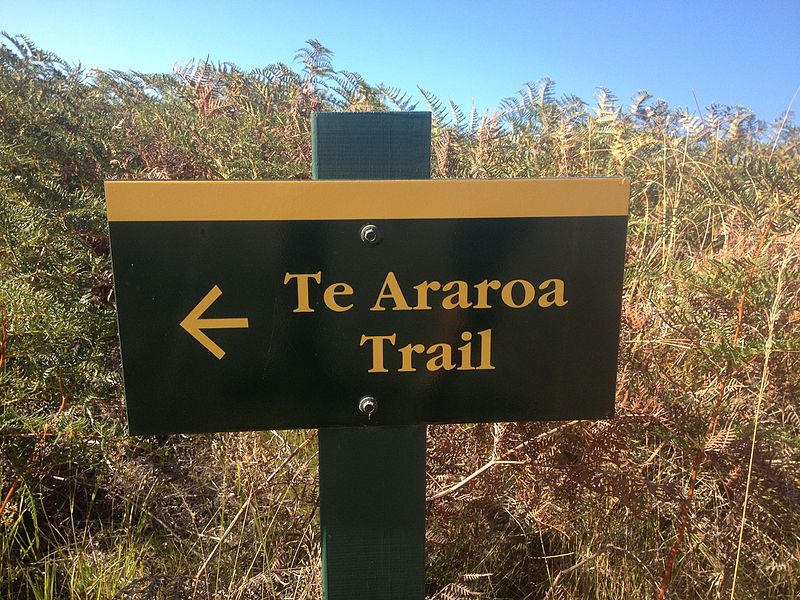
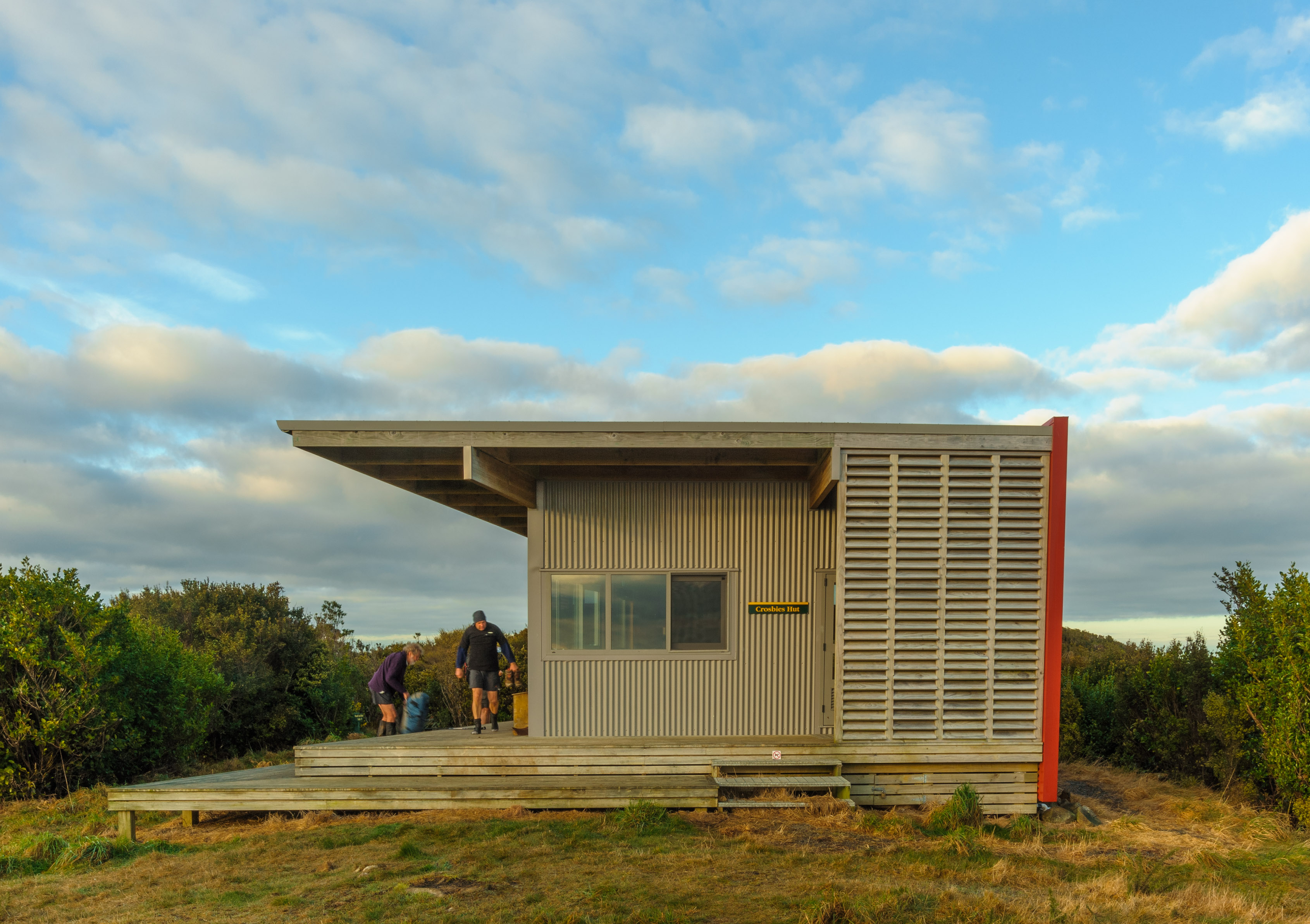
Te Araroa Trust and the Department of Conservation have teamed up to create the $195 pass for the 2024-25 season which can be used to stay at 71 of DOC’s huts and campsites along the way.
DOC said the pass will save trampers money and provide better data on those using the trail. People walking Te Araroa in full, or the South Island portion, will be required to purchase the pass when they register for the walk. The pass will be optional for those walking just the North Island portion or small sections of the trail.
Te Araroa Trust executive director Matt Claridge said the team was “very excited” about the trail pass. “Te Araroa is one of the world’s most diverse long-distance walking trails, allowing people to experience the back country, towns and everything Aotearoa has to offer.
“Around 2000 walkers complete the 3012km trail as a continuous journey every year, while many others walk parts of Te Araroa over the course of several years.” Read the full story from RNZ.
Menstruation in the wild
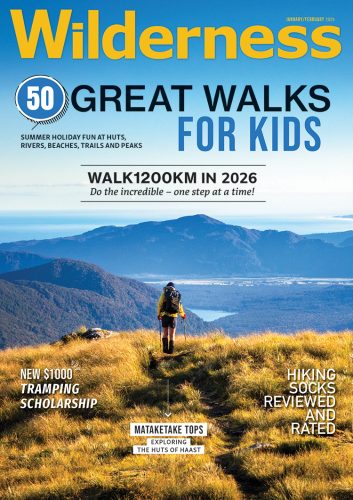
This month’s Wilderness issue is about the next generation of trampers in Aotearoa. This University of Otago Critic Te Ārohi story about menstruation in the backcountry offers an excellent perspective on how to reduce barriers and make the wilderness inviting for all. Here’s an excerpt and click the link for the full story:
In an ideal world, the great outdoors would be a gender-neutral space. Just you, an open trail, towering treetops, and the echoes of birdsong carried on a soft breeze. But the reality is often less idyllic. Women and AFAB (assigned female at birth) people are significantly underrepresented in outdoor sports and recreation activities.
While yells for toilet paper from behind a bush are common, requests for tampons are less so. Even in the wild, gender stereotypes continue to leave so many women feeling out of place; so let’s talk about it. Three wild wāhine —Jenna, Zia, and Hannah — chat about breaking stereotypes in the backcountry.
Being open about menstruation, and treating it like any other natural biological function can open the door to a wealth of knowledge and support. The kind that can reduce barriers to participation and open up a mountain, cave or canyon of opportunity. Read the full story.
Artist finds inspiration on Campbell Island
Last summer, Wānaka artist Chrissy Wickes was part of a small team monitoring a breeding population of the southern royal albatross on the subantarctic Moutere Ihupuku/Campbell Island Marine Reserve.
The windswept, wild Campbell Islands, 700km south of New Zealand’s mainland, got under Chrissy Wickes’ skin. Any spare moment she had during her 10-week stint counting southern royal albatrosses for the Department of Conservation last summer, she grabbed her sketchbook and scribbled as fast as she could.
“My sketch books are my diary of the landscape, in pen and watercolour. They were very, very fast sketches. I couldn’t take a day off to do it and most were scribbled off back at base … We did long days and I often just didn’t have the energy. There was not a lot of fuss, just instinctive, raw, my reaction to the environment,” she said.
Wickes has always enjoyed marrying art with conservation. Read the full story from the Otago Daily Times.
Camping with wild tigers in Nepal
Joe Sills writes for Forbes about his adventure camping in bengal tiger country. Far removed from the Himalayas, the Bardiya region of Nepal sees less than 13,000 annual international tourists.
The Bardiya area is home to around 125 endangered royal bengal tigers, around 40 vulnerable greater one-horned rhinos and Asian elephants. Ganges river dolphins swim around these islands during monsoon season along with the critically endangered gharial crocodile. Thanks to successful conservation work, the tiger population around Bardiya has increased sevenfold since 2009.
The tourists that visit come to see a wild tiger. Often, they’re eager to walk on foot over riverbanks and through dense jungles to do so – and some, like Jo, even camp. Read the full story.
Three new species of wētā found in South Island
In a newly published paper, Massey University professor in evolutionary ecology Steven Trewick detailed the discoveries. The three new species belonged to two newly described genera. Among the findings was the newly defined “Crux” genus, with two new species.
They are Crux boudica found in Rakiura Stewart Island and southwest South Island, and Crux heggi from northwest South Island.
“The genus Crux reflects the southern occurrence of this newly discovered diversity, and the type species Crux boudica is named for the Iceni queen due to the female’s heavily armed appearance,” Trewick said.
“Crux heggi is named after Danilo Hegg, an orthopterist who collected specimens of this taxon and has made significant contributions to the study of New Zealand Rhaphidophoridae.”
The second genus identified was Occultastella, which includes the newly discovered Occultastella morgana from northwest South Island. Trewick said the species is characterised by its dark and white flame-like markings on the head.
The species was first found in 2012 among the coal-measure soils of the Denniston Plateau and has since been located near Lake Rotoiti and in the Kahurangi region. Read more from One News.