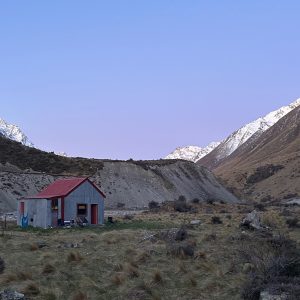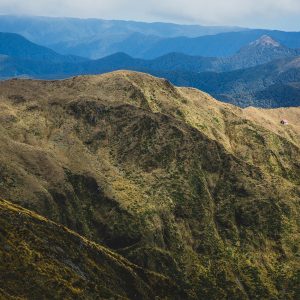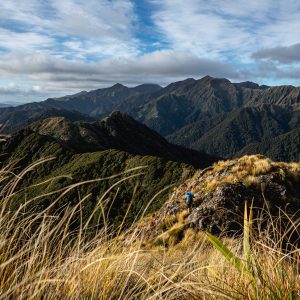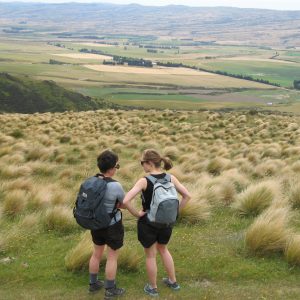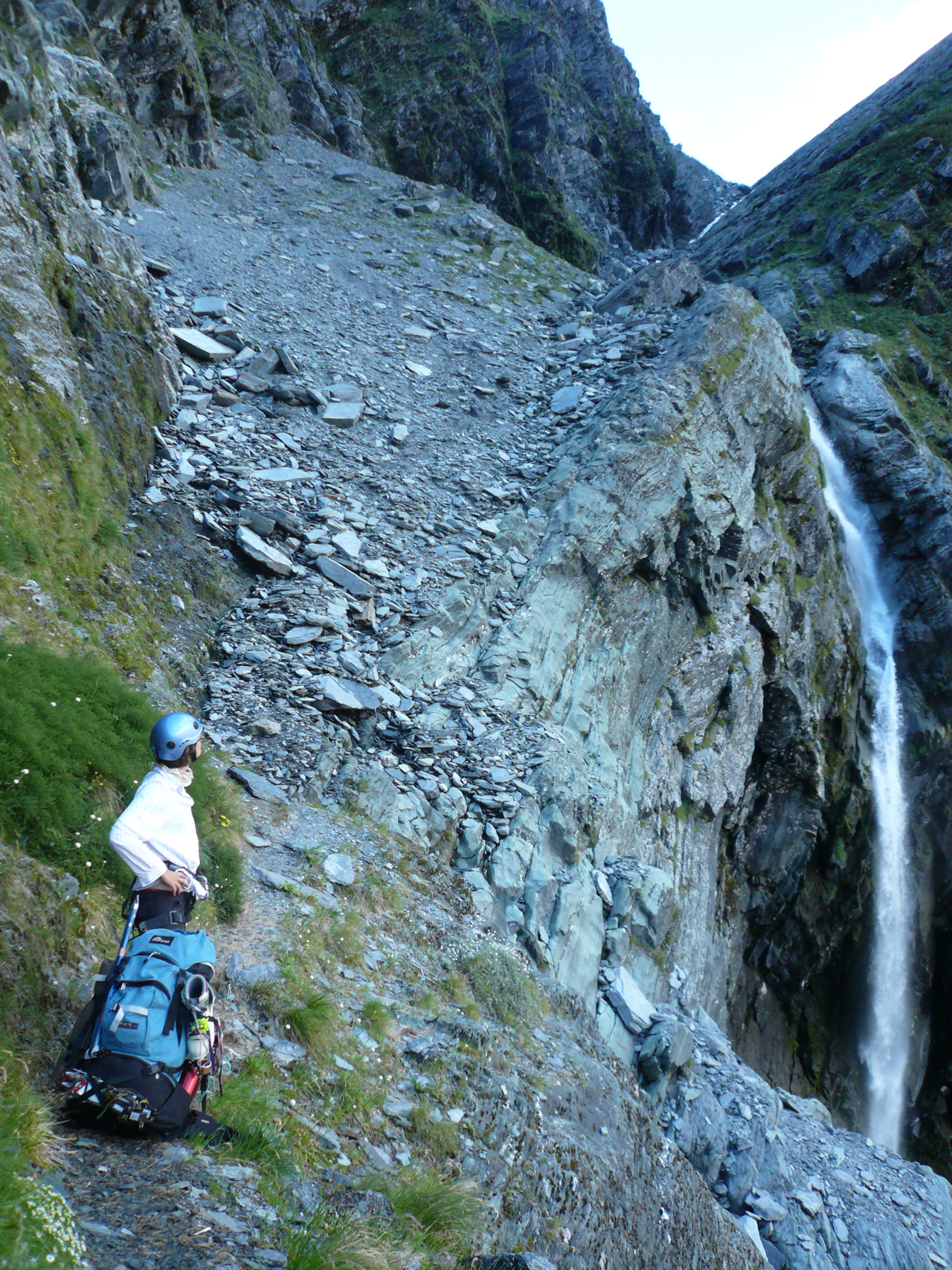
The two tramping and hunting fatalities in Mt Aspiring National Park last summer are reminders of the hazards of steep snow-grass, greasy river bluffs and tenuous drop-offs existing throughout the country. The Mt Cook SAR team is regularly called out to bluff incidents on the popular Mueller Hut track.
Here are some tips to avoid hang-ups:
Before you leave: Plan your trip carefully, checking notes and maps for bluffs. It helps to compare your intended route with map contours on other personally known access routes. If unknown, use the map in conjunction with a guide-book terrain description. Contours on the 1:50,000 map are a useful indicator, but often insufficient for assessing terrain steepness accurately.
Stopping saves time: Before committing to an unknown bluff, drop your packs and make an agreed plan of reconnaissance. Even take time to eat, drink and think about options.
Store your pack: Scout an unknown bluff without your pack. It’s less time-consuming and less risky. Mark it with a bright object and place it by a prominent rock, tree or stream junction so you can find it easily.
Best route options: Try and stay within trees for hand and footholds. Sometimes old slips do provide a clear-way through scrubby sub-alpine bluffs but they need caution.
Avoid getting stranded on blank slabs: If party member balance, strength and exposure are an issue, use a top rope belay and pack haul. Descending slabs is always trickier. If there is a choice, opt for grappling with the gnarly scrub and worry about the scratches later.
Pack hauling: Haul loop stitching has been known to break, so tie the rope onto two independent pack points and if you have sufficient rope have a tail rope for pack control from below. Ocean yacht racing has developed some incredibly strong, lightweight ropes such as dyneema which are worth considering for use on static loads.
Abseiling alpine bluffs: Anchor points are critical and must be bombproof. Test and back-up where possible. One safety test involves a controlled bounce on the anchors. It applies approximately three times the static load to the anchor safely before committing to the rope and descent.
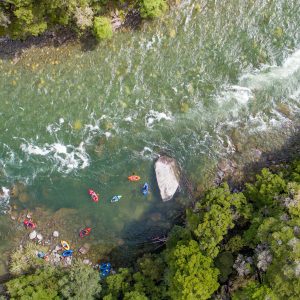
River bluffs and gorges: Often the only way is ‘Up and Over’ to get out of a gorge on to less steep ground. Keep a lookout for any faint animal trails which could assist route-finding.
-Geoff Wayatt
34 years of inspiring New Zealanders to explore the outdoors. Don’t miss out — subscribe today.

Questions? Contact us