A wrap of the biggest stories and best writing about the outdoors from New Zealand and around the world.
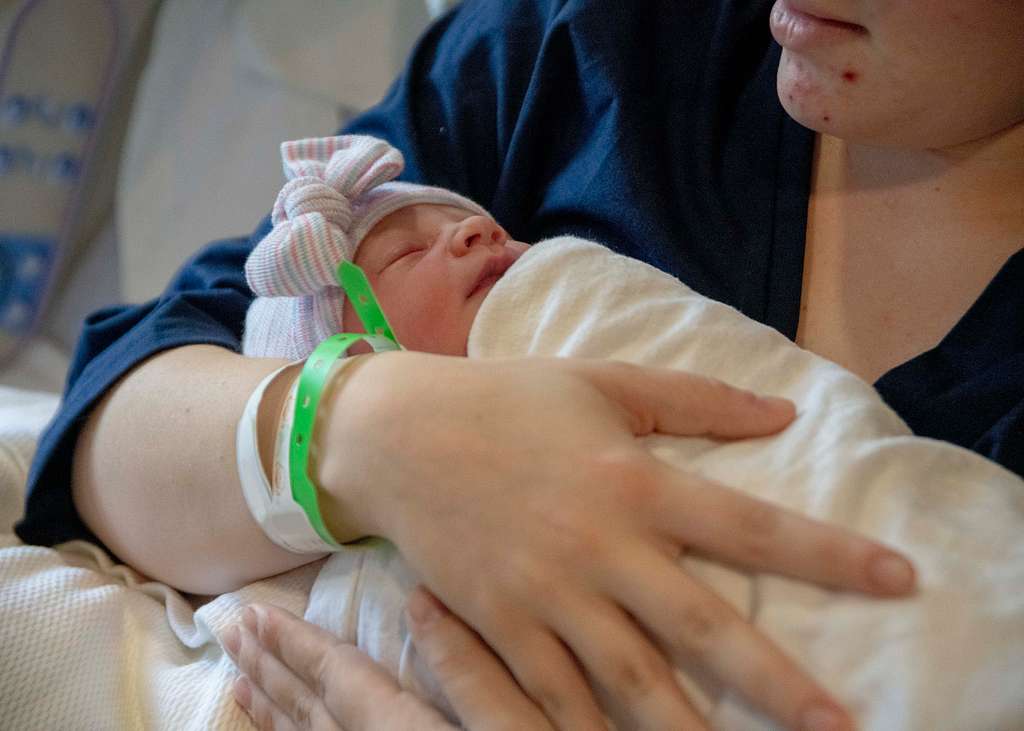
In July, Zoe Doyle, along with her husband Stuart Doyle and their two children, drove to a UK campsite to enjoy some quality family time. Little did they know their whānau was about to expand.
Doyle woke up at the crack of dawn from excruciating stomach cramps. Initially, she blamed the pain on a dodgy chicken curry eaten the night before. As the pain worsened, Doyle began to think she was having a miscarriage.
Panicked, she asked her husband for help. Stuart quickly came to her aid, and Doyle told him she felt the overwhelming need to push. Instinctually, the mother leaned on all fours, and that’s when her husband saw a head sticking out of her.
“He had to help deliver her in the tent and cut her umbilical cord in the tent and wrap her up with what we had. I did it all on my own. I felt like Mother Mary giving birth outdoors. It was just so bizarre,” Doyle shared in a different interview with the Daily Mail.
After the successful birth, her husband rushed her to the hospital, where she and her baby girl were taken care of. Read the full story from the NZ Herald.
Is the spontaneous tramping or camping trip dead?
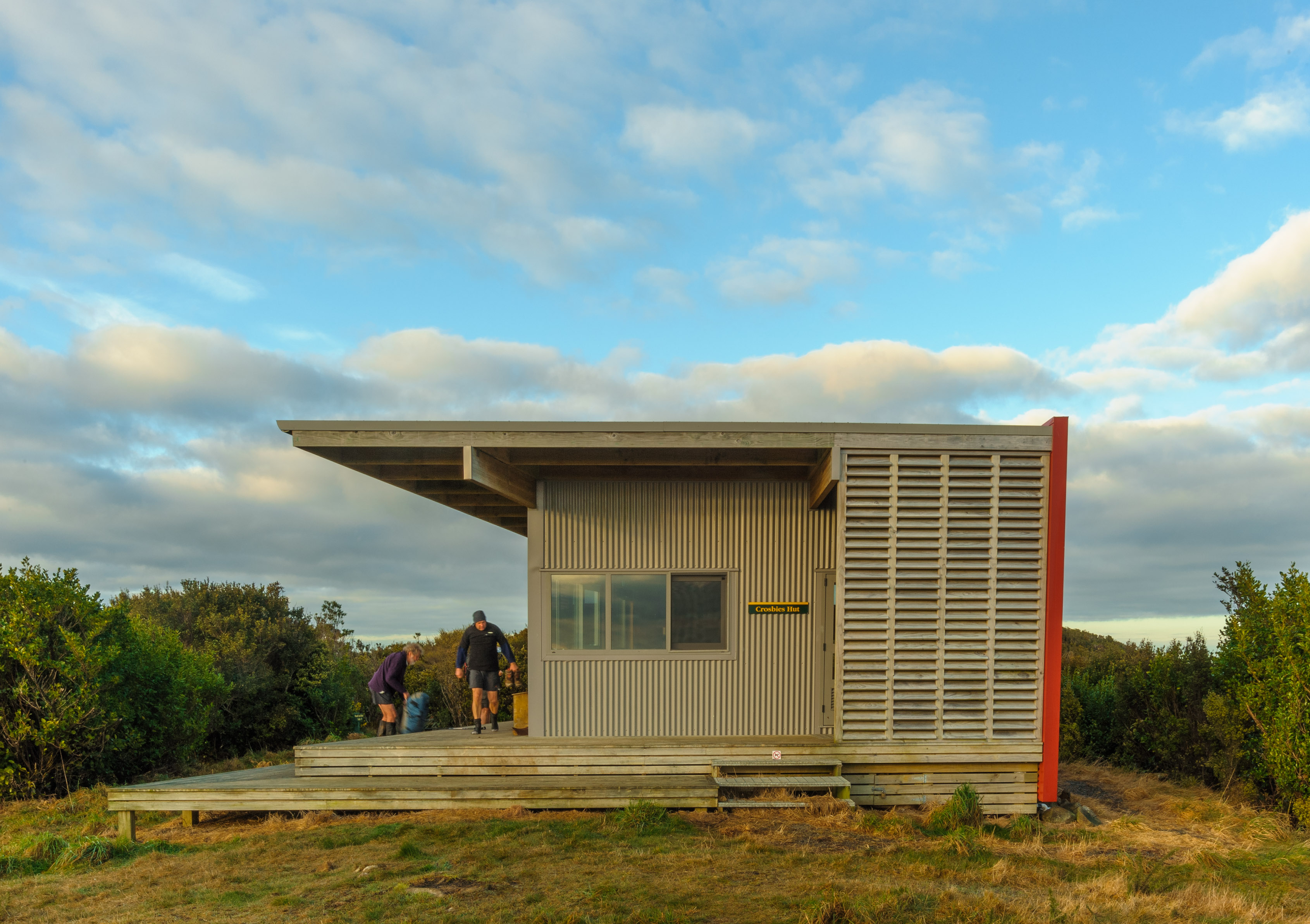
DOC recently added 10 huts and campsites to its booking system and expects to add more before summer. More than half (173) of DOC’s 315 campsites already have to be pre-booked.
DOC visitor services manager Cameron Hyland says camping sites are normally added on the recommendation of local teams. Making sites bookable reduces overcrowding, provides more accurate usage data and improves fee collection. “We’re also proactively reviewing all remaining non-bookable, paid campsites and considering whether it’s appropriate for them to become bookable,” he says.
While bookings might make sense for popular, accessible huts, Federated Mountain Clubs president Megan Dimozantos opposes extending that to backcountry huts. One major reason is safety.
“People should be making their decisions in the backcountry based on the conditions, the experience of the party, how people are feeling. Not ‘When did I book the hut for?’ She also questions whether making more huts bookable will increase hut fee compliance, as that requires a hut ranger to check bookings. Read the full opinion piece from The Press.
Hawaiian hiking trail forced to shut after mysterious illness
The Kalalau Trail in Hawaii has been shut down after at least 37 hikers contracted norovirus that left visitors with severe gastrointestinal symptoms.
Danielle Ann airlifted via helicopter after ‘about 50-60 episodes of vomiting and 15-20 episodes of what my friend Jeff called ‘epic diarrhoea,”‘ she revealed on Facebook. ‘My symptoms had progressed quickly and severely enough that by 4 am I was for real telling my partner I was afraid I wouldn’t make it,’ she said. She also revealed that eight of the 13 people in her group fell ill.
The 35km roundtrip trail will be closed until September 19 as it undergoes testing of the water, soil, and environment, according to the Hawaii Department of Land and Natural Resources (DLNR).
‘This is a very concerning and rare occurrence, magnified by the extremely remote nature of the Kalalau Valley,’ Division of State Parks Administrator, Curt Cottrell, said in a statement. Read the full story from The Daily Mail.
Government went against officials’ advice with tourism tax hike
According to reporting from the NZ Herald, ministers went against the advice of officials in deciding to hike a tourism tax by nearly 200% to $100.
Documents released by the Ministry of Business, Innovation and Employment (MBIE) show officials recommended increasing the International Visitor Conservation and Tourism Levy (IVL) from its current rate of $35 to $70.
“This option is at a price point that provides the most reasonable balance between increasing revenue to cover the costs of tourism and ensuring that border costs are not a deterrent for visitors to travel to New Zealand,” a regulatory impact analysis (RIA) said. Modelling found the $100 option could decrease visitor demand in New Zealand by 2.4% (compared with a 1.3% decrease for the $70 option).
MBIE officials earlier advised in June that if the amount was increased too high, “there is a risk of increased inefficiency, where visitors will reduce their spend while in New Zealand to account for the higher cost at the border or will not travel here.”
Could ‘slow tourism’ be the answer to over-tourism?
With over-tourism in the spotlight as the travel industry continues to rebound after the pandemic, popular destinations around the world are feeling the strain.
As the northern hemisphere high season ends, Aotearoa New Zealand is preparing for an influx of visitors ahead of its summer tourism season. Much like those other tourist hotspots, the government is looking at how to manage the negative effects of tourism on local communities and the environment.
So-called “slow travel” could be the answer. It’s about experiencing destinations at a relaxed pace, focusing on deeper connections with local cultures and sustainability. This often means staying longer in fewer places and choosing eco-friendly transport.
Activities such as “forest bathing”, hiking or engaging with local cultures boost wellbeing and meaning, going beyond just “taking a photo for likes”. New Zealand can leverage its natural beauty to offer similar immersive experiences. Tramping (hiking), for example, can promote a mindful connection with the environment. Read the full story from RNZ.